Meaning of Food Storage
Food storage means having a supply of safe, nutritious food set aside to protect your family during emergencies like storms or supply shortages. It’s all about being prepared with reliable food options that last a long time, such as rice, beans, and freeze-dried meals.
These staples are chosen because they stay fresh when stored properly.
You store them sealed and in a cool place to keep their shelf life intact.
Planning your food storage depends on your needs—whether that’s a 72-hour emergency kit or enough food to last for several months.
Don’t forget to rotate your food regularly to keep it fresh and nutritious.
Keep going to discover how to build and maintain a system that truly supports your self-reliance. It’s easier than you think!
Key Takeaways
- Food storage is the practice of preserving food safely for future consumption during emergencies or supply disruptions. It involves using sealed containers and cool, dry conditions to extend shelf life and maintain quality.
- Proper food storage supports self-reliance by ensuring availability of long-lasting staples like rice, beans, and freeze-dried meals. Organizing and rotating stored food based on expiration dates helps prevent waste and maintains safety.
- Food storage planning varies by timeframe needs, from short-term emergency kits to long-term supplies lasting decades. So, it’s all about being prepared, no matter how long you might need those supplies.
Why Food Storage Matters for Your Family’s Safety
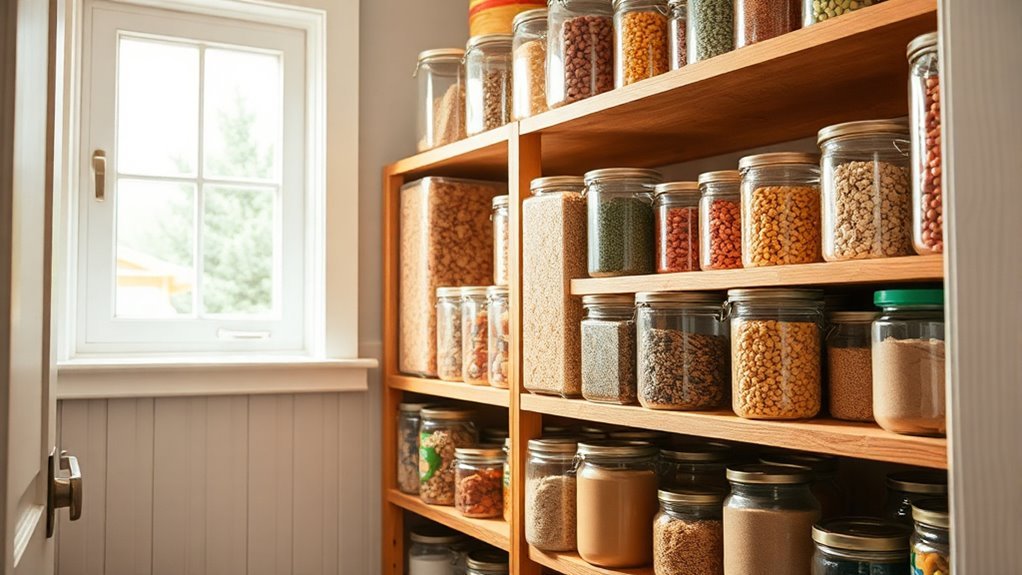
When grocery access is disrupted by events like hurricanes or winter storms, having a well-planned food storage system can keep your family secure for days or even weeks.
You’ll want to rely on staples with a long shelf life, such as dry bulk foods stored cool and sealed. Dehydrated meals and ingredients are especially valuable since they can last 25 years or more at 75°F or lower. That means you’ll have nutritious, easy-to-prepare options during emergencies.
Proper food storage reduces the risk of running out or eating unsafe items, especially when crises last from 72 hours up to two weeks. Rotating canned goods and checking dates also helps maintain freshness.
How to Build a Food Storage Plan That Fits Your Needs

Having a dependable food storage system is only part of the equation—you need a plan tailored to your family’s specific needs and circumstances. Start by defining your target coverage, whether it’s a 72-hour emergency, a two-week supply, or longer-term storage.
A reliable food storage system starts with a plan designed around your family’s unique needs and emergency timeframe.
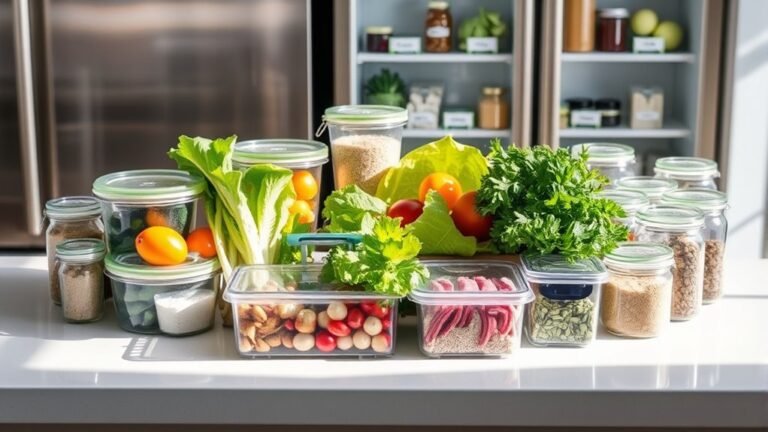
Visit your grocery store regularly to build a quick supply of canned and shelf-stable foods. Use airtight storage containers to protect your food from moisture and temperature damage.
For extended storage, include bulk dry foods like rice and beans, and consider adding freeze-dried or dehydrated items for variety. Organize your storage using a FIFO system, rotating older items first and checking expiration dates often.
This approach ensures your food storage plan fits your lifestyle and keeps your family prepared. It’s all about being ready without feeling overwhelmed.
Understanding Shelf Life: Choosing Foods That Last

Although food storage is essential, understanding shelf life helps you choose items that stay safe and nutritious over time. Different foods vary widely: regular canned goods last 2–5 years, with high-acid items like tomatoes closer to 2 years.
Dry bulk staples such as rice, beans, and oats can last 10–20 years if sealed and stored cool (≤75°F). Dehydrated foods also keep well for 10–20 years but usually need cooking.
Freeze-dried foods offer the longest shelf life, often 25 years or more under the right conditions. To make the most of your storage, rotate items regularly using the FIFO method, check expiration dates, and always verify safety—like sniffing canned goods before use.
This way, you’ll maintain a reliable, nutritious supply.
Choosing the Right Foods for Your Storage
You’ll want to pick foods that not only last long but also provide balanced nutrition to keep you healthy. Pay close attention to how your storage conditions, like temperature and packaging, affect shelf life.
Shelf Life Importance
Choosing the right foods for your storage often depends on understanding their shelf life—the length of time they remain safe and usable. You want foods with similar longevity to avoid waste.
For example, most regular canned goods last about 2–5 years, while dry bulk staples can last 10–20+ years. Keep in mind that high-acid canned foods like tomatoes and fruits usually last around 2 years. So, prioritize longer-lasting items if you’re building a long-term supply.
Store dry and dehydrated foods in cool, dry places (75°F or lower) to maximize shelf life. Use the FIFO method—always consume the oldest items first—and check expiration dates and safety with a quick sniff test.
Freeze-dried foods can last 25+ years, making them ideal for extended storage. It’s a smart choice if you want to keep your supplies good for the long haul.
Nutritional Value Balance
Understanding shelf life helps you plan not just how long your food lasts but also how it supports your health over time. To maintain nutritional value balance, choose foods that provide a mix of protein, carbs, and fats.
Here’s how you can do it:
- Store shelf-stable proteins like canned meats, beans, or non-fat dry milk.
- Include carbohydrates such as rice, wheat, oats, or freeze-dried meals for long-lasting energy.
- Add fats like peanut butter to ensure calorie balance.
- Rotate foods you eat regularly and keep some ready-to-eat items for short-term needs.
Prioritize staple dry bulk items for long-term storage and consider freeze-dried foods for nutrient preservation. This approach keeps your diet balanced and your storage effective.
Storage Conditions Impact
Since storage conditions directly affect how long your food stays safe and nutritious, keeping your supplies cool and dry is essential. Aim to store foods at or below 75°F to slow spoilage caused by heat and moisture.
Regular canned goods last about 2–5 years, but high-acid items like tomatoes tend to spoil closer to two years. So, rotating stock using FIFO is wise.
Dry bulk and dehydrated foods can last 10–20 years when sealed and stored properly. Though, dehydrated foods lose about 25% of their value and need water to prepare.
Freeze-dried foods offer the longest shelf life—up to 25 years or more—thanks to rapid moisture removal that preserves nutrients. Choosing foods suited to your storage environment maximizes both safety and longevity.
Preparing Your Food Storage: Safety and Convenience Tips
You’ll want to keep your food storage safe by regularly checking expiration dates and using the FIFO method to rotate items.
It’s all about making sure nothing goes to waste and you always use the oldest stuff first. Focus on convenience by choosing no-cook or quick-prep foods like canned beans, peanut butter, and freeze-dried meals.
These are super handy when you want something fast without a lot of fuss. Storing staples in sealed containers at cool temperatures will help maintain freshness and extend shelf life.
That way, your food stays good for longer and is ready when you need it.
Food Safety Essentials
Regularly checking labels and organizing your food storage with a FIFO (first-in, first-out) system ensures you use older cans before they lose quality or safety.
Store your foods in a cool, dry place at 75°F or below to extend shelf life, especially for dry staples and freeze-dried items. Choose foods that fit your cooking setup during outages, favoring no-cook or heat-only options.
Always inspect cans for bulging, leaks, or off odors. And if anything seems off, perform a quick sniff test — better safe than sorry.
Here are key food safety essentials:
- Use a FIFO can tracker to rotate stock effectively.
- Keep foods sealed in airtight containers to prevent moisture.
- Store at temperatures ≤75°F for improved longevity.
- Check for expiration dates and signs of spoilage before use.
Storage Convenience Strategies
Often, convenience plays a pivotal role in effective food storage, especially during emergencies. Start by stocking extra canned goods you already eat, rotating them with a FIFO Can Tracker to use the oldest first.
Keep foods at cool temperatures—75°F or lower for dry and dehydrated items—and routinely check expiration dates and freshness with a quick sniff test. It’s a simple step that can save a lot of hassle later.
For quick, low-effort meals lasting 72 hours to two weeks, focus on no-cook or heat-only options like canned meats, peanut butter, granola bars, and freeze-dried meals. These are lifesavers when you need something fast and easy.
To improve long-term convenience, choose shelf-stable staples like dry wheat, rice, beans, or freeze-dried foods, which can last decades when stored properly. Mixing “add water and wait” meals with instant options helps save prep time and fuel too.
How Long-Term Foods Help You Stay Self-Reliant
When access to grocery stores becomes constrained, long-term foods like wheat, rice, and beans allow you to maintain self-reliance by providing a dependable supply that can last 10 to 20 years or more when stored properly. These staples help ensure you’re prepared for prolonged disruptions, lowering dependence on emergency resupply.
Long-term staples like wheat, rice, and beans ensure self-reliance during extended grocery store shortages.
Here’s how long-term foods help you stay self-reliant:
- They last decades when stored in sealed containers at cool temperatures (75°F or below).
- Freeze-dried foods offer simple prep and can last up to 25–40 years.
- Dehydrated foods provide variety but may need cooking and additional fuel.
- Rotating your long-term pantry saves money and prevents waste during crises.
Why Variety and Nutrition Matter in Food Storage Planning
Although stocking up on enough food is essential, you’ll want to prioritize variety and nutrition to keep your body fueled and healthy during emergencies. Different foods provide different nutrients, so rotating carbs like rice and wheat with proteins such as beans and meats, plus fruits and vegetables, prevents relying on one weak source.
Freeze-dried options last 25+ years while retaining flavor and about 99% of nutrients, making them a smart choice. Canned goods, lasting only 2–5 years, shouldn’t be your sole source.
For shorter kits or 3-month supplies, include foods with diverse macros and vitamins—peanut butter for fats and protein, beans for fiber, and powdered drinks for hydration. A varied menu also helps you maintain normal eating habits, making food rotation and intake easier during stressful times.
Organizing and Maintaining Your Food Storage With Ease
To keep your food storage effective and reduce waste, you should organize items by category and intended use. This makes it easier to locate what you need quickly.
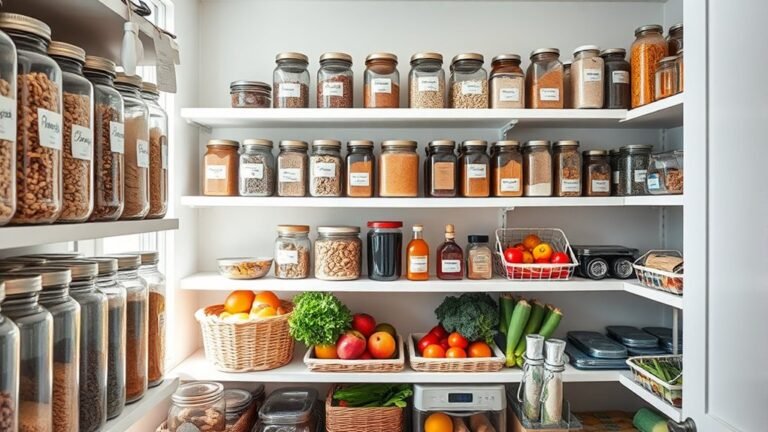
Start by grouping your supplies into emergency foods for 72 hours to 2 weeks, a 3-month supply, and long-term staples. Use a FIFO (first-in, first-out) system to rotate cans and prevent spoilage.
Regularly check expiration dates and do quick safety checks like sniff tests. It’s a simple way to keep your food safe and fresh.
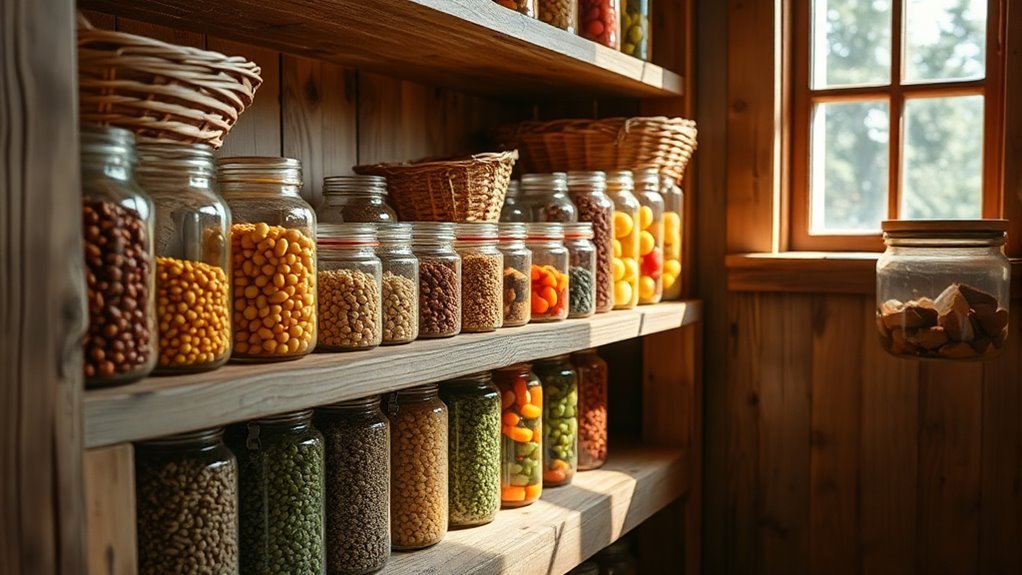
Store dry bulk staples in sealed containers in cool conditions to maximize shelf life. And don’t forget to keep an updated inventory to track quantities and dates for all items.
- Group foods by storage duration and category
- Rotate stock using FIFO for cans
- Check expiration dates and quality regularly
- Store dry bulk in sealed, cool environments
Frequently Asked Questions
How to Store Food in the Fridge?
You should store food in airtight containers, label them, and keep raw meats on the bottom shelf.
Make sure to maintain your fridge at or below 40°F, and try not to overcrowd it.
Use the FIFO method—first in, first out—to keep things fresh.
Also, remember to refrigerate leftovers within 3–4 days. It helps keep your food safe and tasty!
What Is a Food Storage Area Called?
Think of a food storage area as your kitchen’s quiet guardian—it’s called a pantry or storage room.
You’ll keep your supplies organized, safe, and fresh there, making sure nothing goes to waste and meals stay reliable.
What Does “Food Storage” Mean?
Food storage means you keep extra food safely to use during emergencies or when shopping’s tough. You choose long-lasting items, store them properly, rotate regularly, and plan so you always have reliable nutrition ready.
It’s all about being prepared without stress. Having that backup food gives you peace of mind, knowing you’re covered no matter what. Plus, rotating your supplies keeps everything fresh and ready to eat.
What Is the Meaning of Proper Storage?
“An ounce of prevention is worth a pound of cure.” Proper storage means you keep food cool, dry, sealed, and organized so it stays safe, fresh, and lasts longer.
This way, you can avoid waste and spoilage. It’s all about making your food last as long as possible while keeping it tasty and safe to eat.
Conclusion
Building your food storage is like planting a strong garden—it takes planning, care, and the right variety to thrive. By choosing long-lasting, nutritious foods and organizing them well, you’re not just preparing for emergencies; you’re ensuring your family’s safety and self-reliance.
Keep your storage practical and updated, and you’ll have peace of mind knowing you’re ready for whatever comes your way. Start today, and watch your efforts grow into security.
When you focus on food storage, you’re creating a reliable system that supports your household through unexpected situations. It’s all about having the right supplies on hand, maintaining them properly, and rotating items to keep everything fresh.
By doing this, you build a foundation of preparedness that can make a real difference in times of need. So, take the time to develop your food storage thoughtfully—it’s an investment in your family’s future safety and independence.