Blog

  • NHS Guide on How Long Homemade Baby Food Can Be Stored in the Fridge

    You can store homemade baby food in the fridge for up to 48 hours to keep it fresh and safe for your little one. Use airtight containers and label them with the preparation date to track freshness.

    Always refrigerate food promptly and keep your fridge at or below 4°C (40°F). Avoid leaving the food out at room temperature and only reheat portions you’ll use immediately.

    Keep these tips in mind, and you’ll find helpful ways to store baby food safely. It’s all about making sure your baby gets the best and safest meals every time!

  • Medieval Dynasty – 7 Steps to Get Food Storage

    To get food storage in Medieval Dynasty, start by gathering wood, stone, and food while crafting a wooden hoe. Loot and place a wicker basket inside your house for early storage. Also, activate the “dropped items do not spoil” setting to extend freshness.

    Find a flat, accessible spot near your farm and hunting areas to set up your storage. You’ll want to invest at least 5 farming points to unlock and build your first food storage. From there, you can upgrade it using coins and by completing quests.

    Keep managing your resources smartly, and you’ll soon master efficient food storage and expansion. It’s all about planning and making the most of what you gather. Before you know it, your medieval homestead will be well-stocked and thriving!

  • Is Silicone Food Storage Safe and How to Use It

    Yes, you can safely use silicone containers for food storage as long as they’re food-grade and certified by agencies like the FDA. Silicone doesn’t release harmful chemicals, handles extreme temperatures well, and won’t affect your food’s taste or safety.

    Just avoid damage, follow temperature guidelines, and clean them properly. Using silicone this way ensures reliable, long-term storage.

    If you want to get the most out of silicone containers, there are smart tips and tricks you should know.

  • Is Old Tupperware Safe for Food Storage?

    You shouldn’t use old Tupperware for food storage because aging plastic can crack and wear, creating spots where bacteria can grow. Over time, the plastic may also leach harmful chemicals, especially when exposed to heat or acidic foods.

    These risks can pose serious health concerns. Instead, consider safer alternatives like glass or stainless steel containers.

    If you want to keep your food safe, it’s worth exploring better storage options and understanding what makes them safer. It’s really about protecting yourself and your family in the long run.

  • Is Glass Safe for Food Storage?

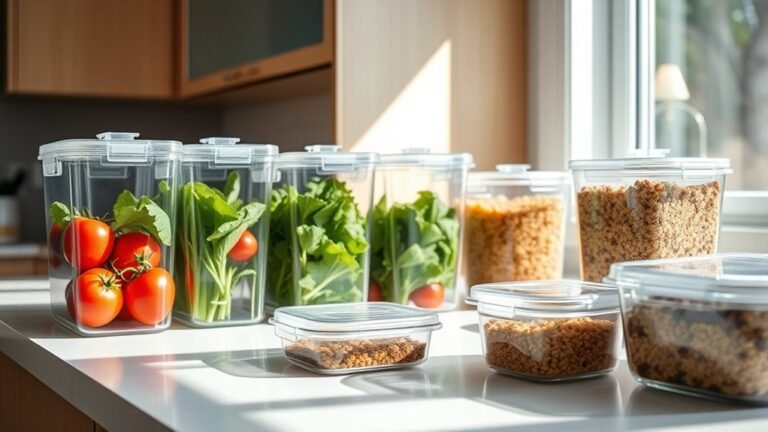
    Yes, glass is safe for food storage if it’s made from FDA-approved, lead-free materials like borosilicate or treated soda lime glass. These types resist chemicals, won’t leach toxins, and handle temperature changes well.

    Just make sure the glass you use meets safety standards and avoids harmful substances like lead or cadmium. With the right glass, you can store food confidently.

    Keep exploring to understand more about choosing and verifying food-safe glass options. It’s always good to know exactly what you’re using in your kitchen!

  • How to Vacuum Seal Mylar Bags for Food Storage in 3 Easy Steps

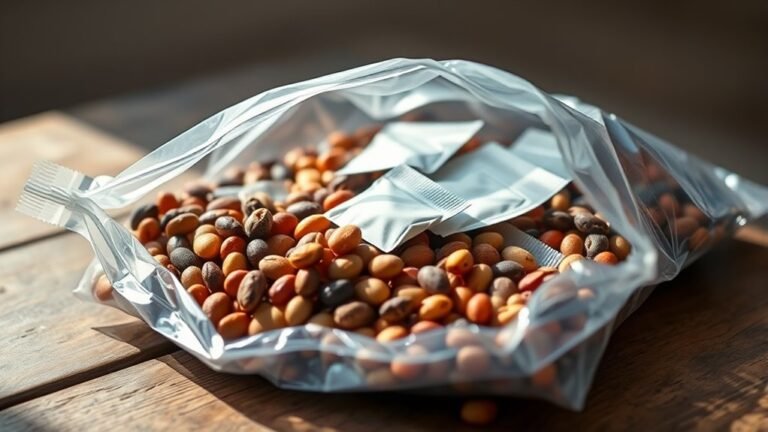
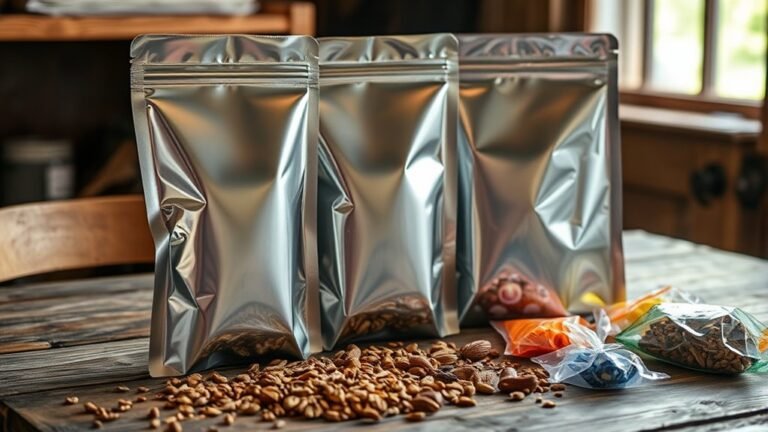
    To vacuum seal Mylar bags for food storage, first fill clean, dry bags with your dry goods, leaving space at the top for sealing. Next, add an oxygen absorber on top, then use a vacuum sealer or snorkel system to remove air, creating a low-oxygen environment.

    Finally, heat seal the bag securely, checking for airtightness to preserve freshness long-term. Following these simple steps guarantees your food stays fresh much longer, and you’ll discover tips to perfect your sealing technique.

  • How to Use Stainless Steel for Safe Food Storage

    To store food safely in stainless steel, choose food-grade grades like 304 or 316 that resist corrosion and prevent leaching. These types are reliable and safe for your food storage needs.

    Use containers with non-porous surfaces to avoid bacteria and odors. It’s a simple way to keep your food fresh and tasty.

    Clean your containers with nonabrasive products after each use, then dry them thoroughly to prevent water spots and corrosion. Taking these steps will help keep your containers in great shape.

    Avoid long-term storage of highly acidic or salty foods, and regularly check for scratches or damage. Keeping an eye on your containers means safer and fresher food every time.

    Keep your containers well cared for, and you’ll guarantee safe, fresh food storage every time. It’s all about a little care for big benefits!

  • How to Use Polyethylene Safely for Food Storage

    To use polyethylene safely for food storage, choose food-grade types like HDPE (#2) or LDPE (#4). Make certain they’re BPA-free and microwave-safe if you heat food in them.

    Always check for cracks, odors, or cloudiness before use. And try to avoid storing fatty or acidic foods to prevent chemical leaching.

    Clean containers thoroughly and replace any damaged ones promptly. By following these steps, you’ll keep your food safe and containers durable.

    Stick around for more tips to help you maximize safety!

  • How to Use Plastic Safely for Food Storage

    To use plastic safely for food storage, pick containers labeled #1, #2, #4, or #5. Make certain they’re marked microwave and freezer safe.

    Avoid reusing single-use plastics, and always inspect for cracks or odors before each use. It’s a simple step that really helps.

    Wash containers gently with warm, soapy water. And never microwave containers that don’t have the microwave-safe label.

    Using the proper plastics helps keep your food fresh and prevents harmful chemical leaching. Keep following these tips to get the most from your plastic containers.

  • How to Use Breast Milk Storage Bags for Baby Food Safely

    To use breast milk storage bags for baby food safely, choose BPA-free bags with double zipper seals. Fill them with small portions to avoid waste.

    Label each bag with the date, and freeze them flat in the coldest spot of your freezer. Thaw the food in the fridge overnight for best results.

    When warming, do it gently and avoid using a microwave. Always check the food for spoilage before feeding your baby.

    Use thawed food within the recommended times, and never refreeze it. Following these steps keeps your baby’s food fresh and safe—you’ll find even more helpful tips ahead.