Blog

  • How to Vacuum Seal Mylar Bags for Food Storage in 3 Easy Steps

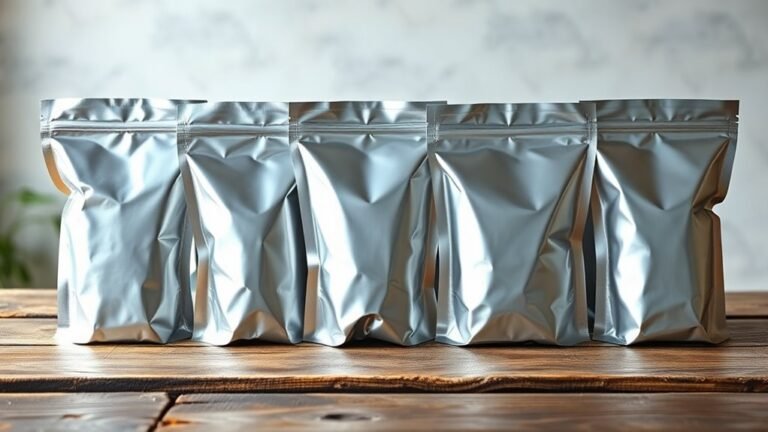
    To vacuum seal Mylar bags for food storage, first fill clean, dry bags with your dry goods, leaving space at the top for sealing. Next, add an oxygen absorber on top, then use a vacuum sealer or snorkel system to remove air, creating a low-oxygen environment.

    Finally, heat seal the bag securely, checking for airtightness to preserve freshness long-term. Following these simple steps guarantees your food stays fresh much longer, and you’ll discover tips to perfect your sealing technique.

  • How to Use Stainless Steel for Safe Food Storage

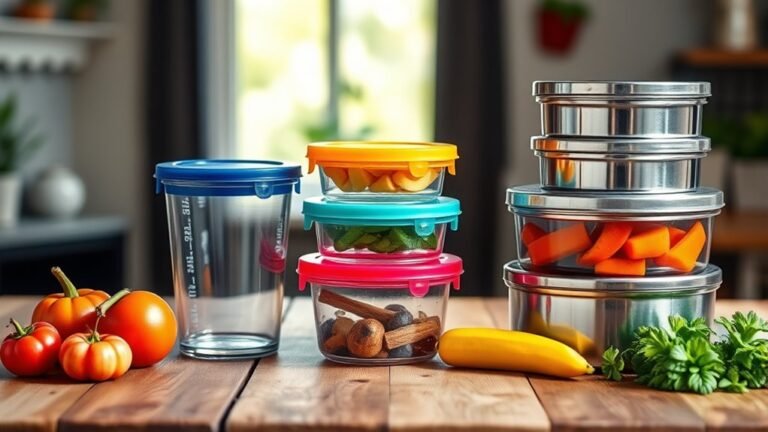
    To store food safely in stainless steel, choose food-grade grades like 304 or 316 that resist corrosion and prevent leaching. These types are reliable and safe for your food storage needs.

    Use containers with non-porous surfaces to avoid bacteria and odors. It’s a simple way to keep your food fresh and tasty.

    Clean your containers with nonabrasive products after each use, then dry them thoroughly to prevent water spots and corrosion. Taking these steps will help keep your containers in great shape.

    Avoid long-term storage of highly acidic or salty foods, and regularly check for scratches or damage. Keeping an eye on your containers means safer and fresher food every time.

    Keep your containers well cared for, and you’ll guarantee safe, fresh food storage every time. It’s all about a little care for big benefits!

  • How to Use Polyethylene Safely for Food Storage

    To use polyethylene safely for food storage, choose food-grade types like HDPE (#2) or LDPE (#4). Make certain they’re BPA-free and microwave-safe if you heat food in them.

    Always check for cracks, odors, or cloudiness before use. And try to avoid storing fatty or acidic foods to prevent chemical leaching.

    Clean containers thoroughly and replace any damaged ones promptly. By following these steps, you’ll keep your food safe and containers durable.

    Stick around for more tips to help you maximize safety!

  • How to Use Plastic Safely for Food Storage

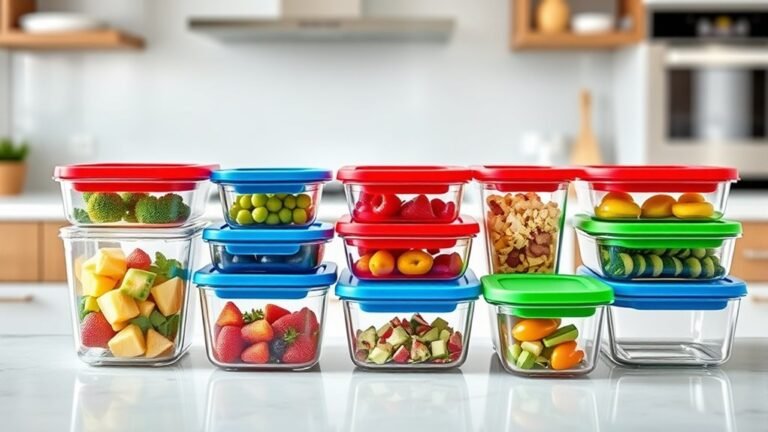
    To use plastic safely for food storage, pick containers labeled #1, #2, #4, or #5. Make certain they’re marked microwave and freezer safe.

    Avoid reusing single-use plastics, and always inspect for cracks or odors before each use. It’s a simple step that really helps.

    Wash containers gently with warm, soapy water. And never microwave containers that don’t have the microwave-safe label.

    Using the proper plastics helps keep your food fresh and prevents harmful chemical leaching. Keep following these tips to get the most from your plastic containers.

  • How to Use Breast Milk Storage Bags for Baby Food Safely

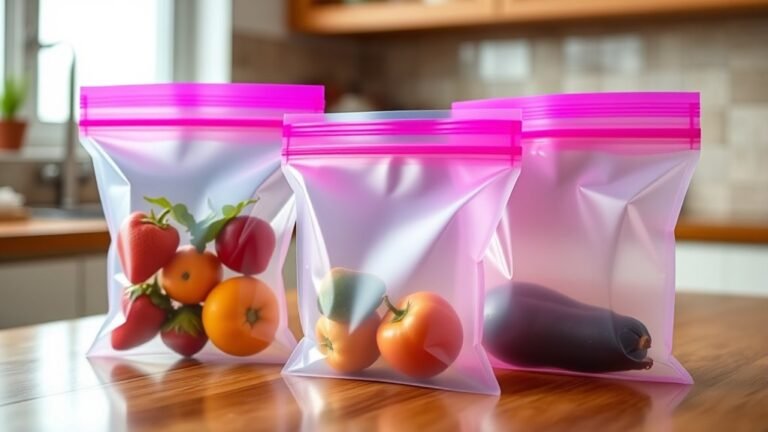
    To use breast milk storage bags for baby food safely, choose BPA-free bags with double zipper seals. Fill them with small portions to avoid waste.

    Label each bag with the date, and freeze them flat in the coldest spot of your freezer. Thaw the food in the fridge overnight for best results.

    When warming, do it gently and avoid using a microwave. Always check the food for spoilage before feeding your baby.

    Use thawed food within the recommended times, and never refreeze it. Following these steps keeps your baby’s food fresh and safe—you’ll find even more helpful tips ahead.

  • How to Use Acrylic Safely for Food Storage

    To use acrylic safely for food storage, always wash containers by hand with mild soap and lukewarm water. Avoid harsh scrubbers that can scratch the surface.

    Let them dry completely to prevent mold. Then, store dry, non-perishable items in a cool, dry place away from heat or sunlight.

    Try not to store hot, oily, or moist foods for long periods since acrylic is best for short-term use. Also, keep an eye out for cracks or scratches to maintain safety and clarity.

    There’s more to learn about keeping your containers in top shape, so stay tuned!

  • How to Store Water for Food Storage in 7 Essential Steps

    To store water safely for food storage, start by calculating at least one gallon per person per day for several days. Choose food-grade containers and clean them thoroughly with soap and a bleach solution.

    Fill containers almost full, seal tightly, and label each with the date. Store them in a cool, dark place away from chemicals and sunlight.

    Remember to check and rotate your water every six months to keep it fresh. Keep following along to uncover more helpful storage tips.

  • How to Start Long Term Food Storage in 3 Easy Steps

    Start by evaluating your family’s dietary needs and preferences. Make sure to include any allergies or special diets.

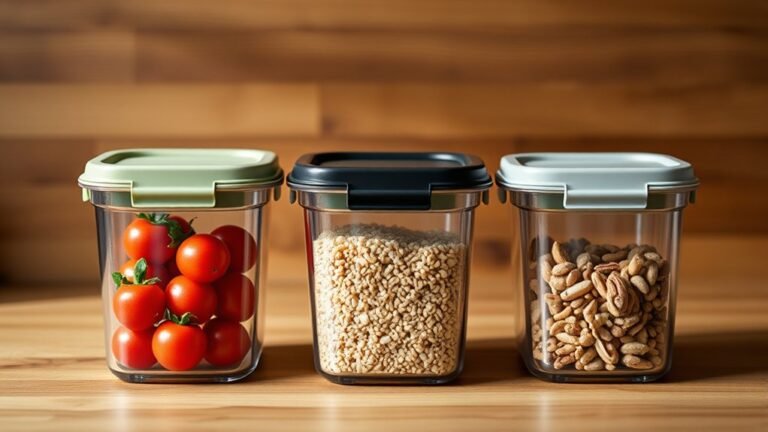
    Next, organize your food supplies in airtight containers. Store them in cool, dry places to prevent spoilage.

    Finally, set up a routine to rotate and replenish your stock regularly. Use older items first to keep everything fresh.

    Following these simple steps lays the foundation for a reliable food supply. Plus, there are plenty more tips to help your storage thrive!

  • How to Start Food Storage in 5 Easy Steps

    To start food storage, first set clear goals based on your family’s calorie needs and aim for a 30-day supply of long-lasting, nutritious foods.

    Next, plan balanced meals with familiar items like rice, beans, and canned vegetables.

    Organize your inventory with expiration dates and create shopping lists.

    Buy extra items gradually on a budget, focusing on non-perishables.

    Finally, regularly check and rotate supplies to keep everything fresh.

    Keep going to discover simple tips for managing your food storage effectively.

  • How to Start Food Storage in 3 Easy Steps

    Start by evaluating your household’s food needs. Think about how many people you’re feeding, their preferences, and the space you have for storage.

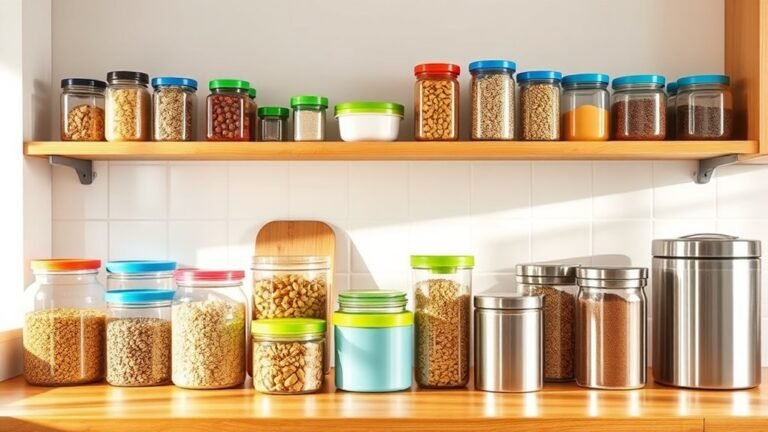
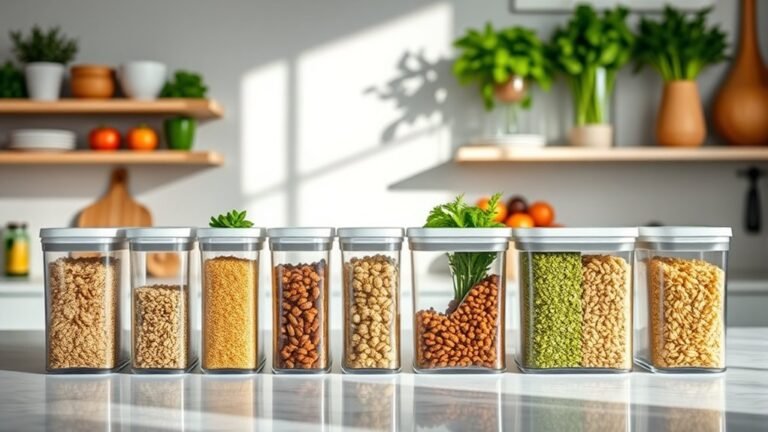
    Next, plan and purchase long-lasting staples like rice, beans, and flour in bulk. Make sure to store them in airtight containers to keep everything fresh.

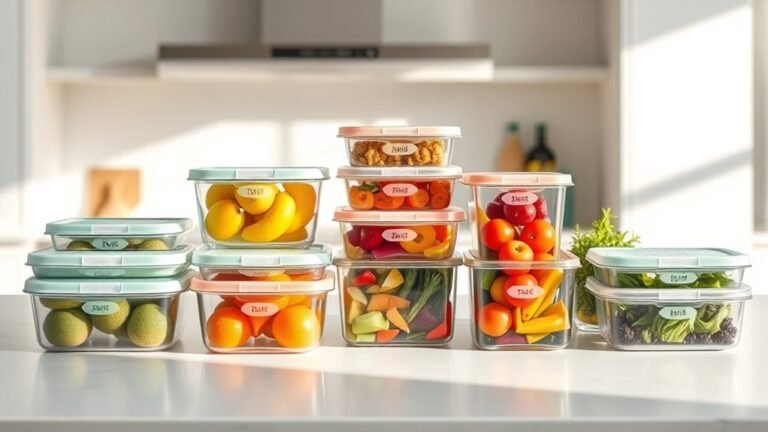
    Finally, organize your supplies with clear labels and rotate them regularly. Use the older items first to prevent waste.

    With these simple steps, you’ll build a solid foundation for efficient and safe food storage that meets your family’s needs. It’s easier than you might think!