3 Easy Tips to Avoid Storage Mites in Dog Food
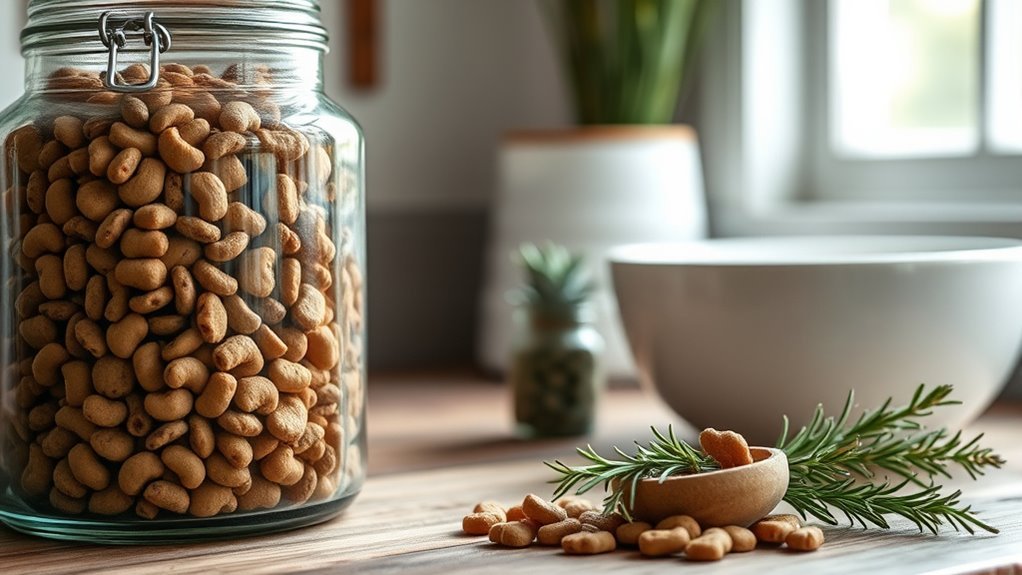
To keep storage mites out of your dog’s food, it’s important to store it properly. Use airtight containers and place them in a cool, dry spot where humidity stays below 50%.
This simple step can make a big difference in preventing those tiny pests.
Freezing dry food for 24-48 hours before feeding is another great tip. This helps kill any mites that might be hiding inside the food.
Plus, it’s an easy way to keep your dog’s meals safe.
Don’t forget to clean your storage area and containers regularly. Removing eggs and debris stops mites from multiplying.
These simple habits help ensure your dog’s food stays fresh and safe.
If you want to protect your pet even better, there are a few more tricks to consider. But starting with these three easy tips already puts you ahead in the fight against storage mites.
Key Takeaways
- Store dog food in airtight containers to block mites and pests effectively. This way, you keep those tiny critters out and your pup’s food fresh.
- Keep food storage areas cool, dry, and maintain humidity below 50%. Mites love warm, damp spots, so a cool, dry place is best.
- Freeze dry dog food at 0°F (-18°C) for 24-48 hours to kill existing mites. This little trick can really help if you suspect any unwanted guests.
- Regularly clean storage containers and shelves with hot water and detergent. Cleanliness is key to keeping mites away.
- Purchase dog food in small quantities, enough for 30 days, to reduce mite exposure. Buying in bulk might seem economical, but smaller batches keep food fresher and safer.
Store Dog Food Properly to Prevent Mite Infestation
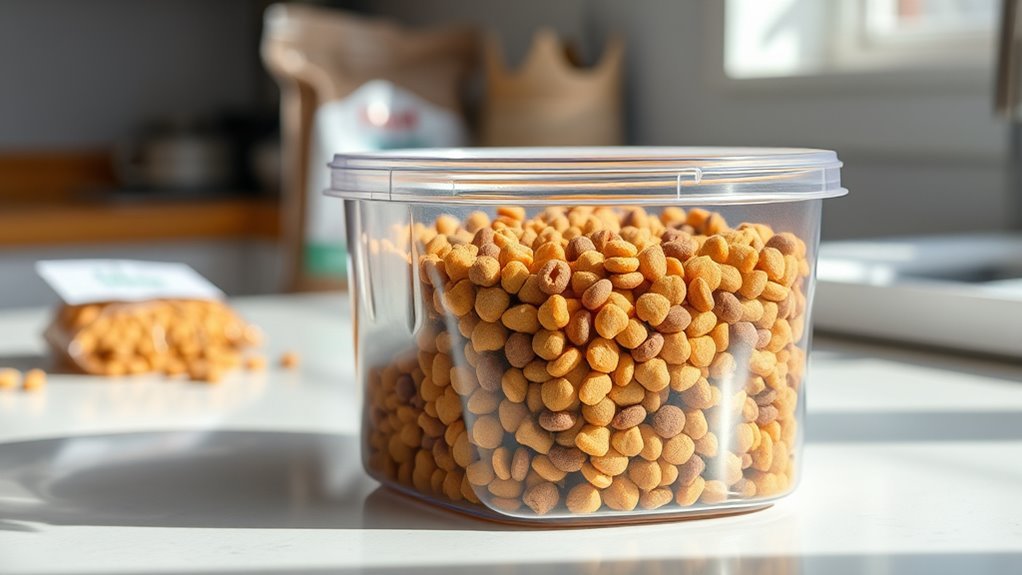
If you want to keep storage mites out of your dog’s food, store it in airtight containers and place them in a cool, dry spot. Using airtight food storage containers prevents food storage mites from contaminating your dry dog food by limiting their access to moisture and air.
Keeping your dog food in a dry place with low humidity is essential for humidity control, as mites thrive in damp environments. To prevent mite infestation, buy only the amount of dry dog food your pet can consume within 30 days. This helps reduce the risk of prolonged exposure.
Regularly clean your food storage area and containers with hot water and detergent to remove mite eggs and debris. Though freezing dry dog food can help, focus first on proper food storage with airtight containers and humidity control to effectively keep mites away.
Freeze Dry Food Before Feeding to Eliminate Mites
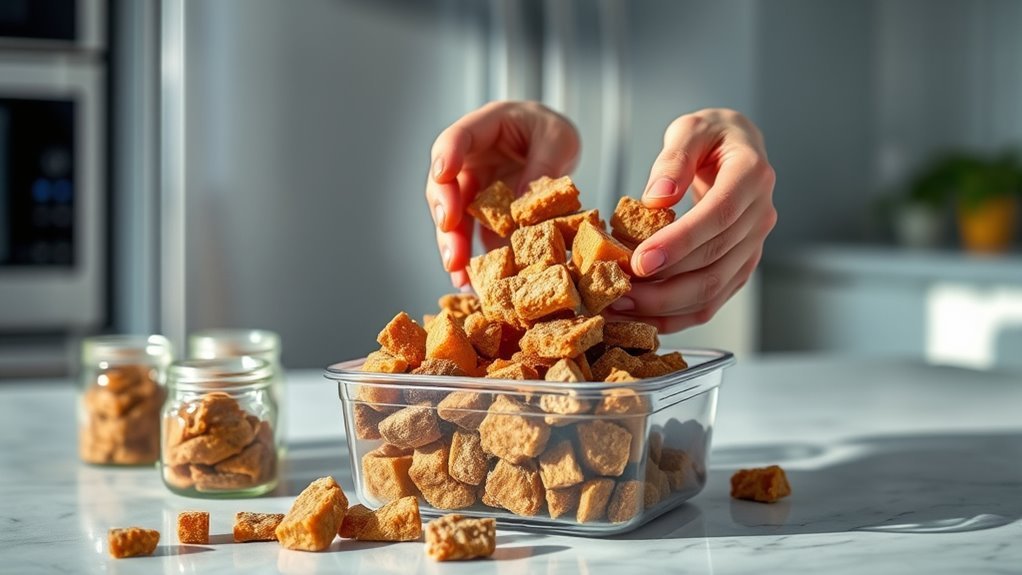
Beyond storing your dog’s food properly, freezing dry food before feeding offers an effective way to eliminate storage mites. By using the freezing method—placing dry dog food or freeze-dried food in the freezer at 0°F (-18°C) for 24 to 48 hours—you kill storage mites that cause mite infestation and allergic reactions.
This mite elimination technique enhances pet food safety and allergen reduction, especially for sensitive dogs. After freezing, transfer the food into airtight containers to prevent re-infestation and maintain freshness during food storage.
When it’s time to feed, thaw the frozen food in the refrigerator or at room temperature to keep it safe and palatable. Regularly freezing small portions is a simple, cost-effective strategy to protect your dog from storage mites and ensure healthy feeding habits.
Maintain a Clean and Dry Food Storage Environment
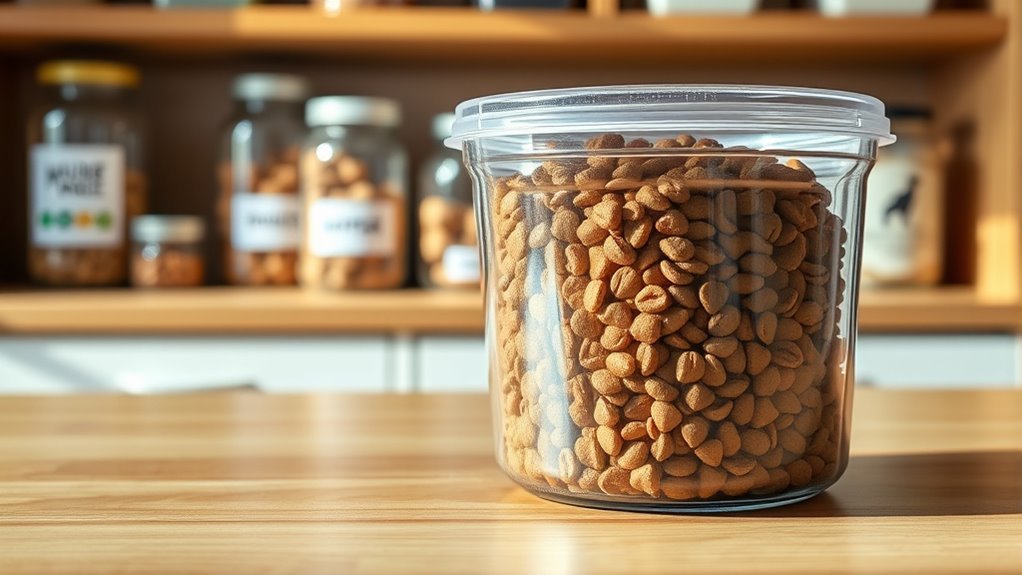
While proper freezing helps eliminate mites, maintaining a clean and dry storage environment is key to preventing them from coming back. Store your dog food in airtight containers to block mites and pests. This ensures food safety and effective mite prevention.
Proper freezing kills mites, but airtight containers and dry storage prevent their return effectively.
Choose a cool, dry storage area with humidity control, keeping moisture below 50% to stop mite growth. Avoid spots prone to dampness, like basements or near sinks. Moisture management is really important for pet food hygiene.
Make it a habit to regularly clean storage shelves and containers with hot water and detergent. This removes mite eggs and debris, which helps with pest control. Also, throw away any opened food that shows mold, pests, or is past its recommended storage time.
Following these food storage tips will keep your dog’s food safe and fresh, minimizing mite risks effectively. It’s a simple way to protect your pet’s health and keep their meals tasty!
Frequently Asked Questions
How to Keep Storage Mites Out of Dog Food?
You can keep storage mites out of dog food by storing it in airtight containers and freezing unopened bags.
Buying smaller quantities helps too because it means the food doesn’t sit around for too long. Also, keeping the storage area cool and dry makes it less inviting for mites.
Don’t forget to regularly clean shelves and containers. This helps prevent infestations before they start.
How Common Are Storage Mites in Dog Food?
Storage mites are quite common in dog food, especially dry, cereal-based types. You’ll find them more often if food’s stored in warm, humid places.
Proper storage can help you reduce their presence considerably. So, it’s a good idea to keep your dog’s food in a cool, dry spot. That way, you’re less likely to have a mite problem.
What to Feed a Dog With Storage Mite Allergy?
Think of your dog’s meal as a fortress—feed them fresh, wet food or homemade meals to keep storage mites at bay.
You’ll want to avoid dry kibble and opt for hypoallergenic or grain-free options instead.
This way, you reduce the chance of mites sneaking into their food and causing allergic reactions.
Plus, fresh meals can be tastier and healthier for your furry friend!
What Kills All Mites on Dogs?
You kill all mites on dogs by using veterinarian-approved acaricides or medicated shampoos regularly.
Don’t forget to clean their bedding and environment thoroughly to remove mites and eggs. This helps prevent re-infestation effectively.
Conclusion
You don’t have to let storage mites crash your dog’s mealtime party. By storing food properly, freezing it before feeding, and keeping the storage area clean and dry, you’re giving those pesky mites the cold shoulder.
Remember, a little effort now saves a lot of itching later. So, take control—because when it comes to your furry friend’s health, prevention isn’t just better, it’s the best treat you can offer.
Avoiding storage mites in dog food is easier than you think. Proper storage, regular cleaning, and freezing can keep your dog’s meals fresh and mite-free. These simple steps protect your pet from discomfort and health issues caused by storage mites. Stay proactive, and your dog will thank you with happy, itch-free days!