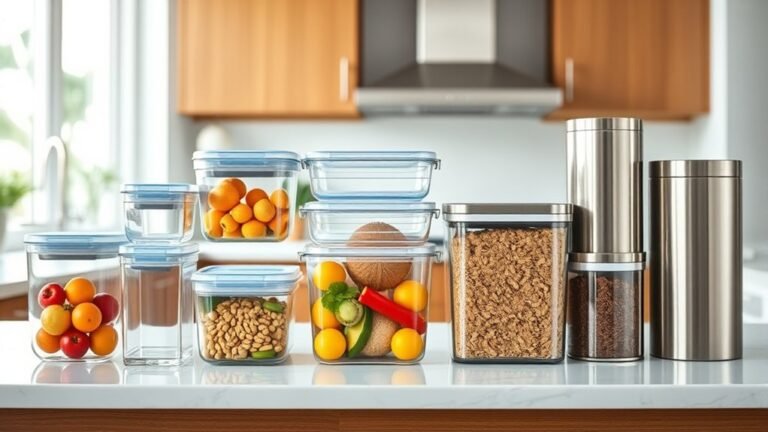

What Is the Purpose of FIFO in Food Storage?
You use FIFO in food storage to make sure you always use the oldest products first, which helps keep your food safe and fresh. This method, known as “First In, First Out,” is crucial for maintaining food quality and preventing spoilage.
By rotating your stock and using items in the order they were received, you reduce waste and save money on spoiled goods.
FIFO also supports food safety compliance, ensuring that your kitchen meets health standards and stays organized. When you follow FIFO, you handle food properly and maintain high quality.
Plus, it keeps your storage spaces neat and manageable.
So, by sticking to FIFO, you’re not just saving money—you’re protecting your customers and boosting your kitchen’s efficiency. Keep exploring these practices to better manage your food storage and safety.
Key Takeaways
- FIFO ensures older food items are used first to maintain freshness and prevent spoilage. This simple method helps keep your food safe and tasty.
- It also helps reduce food waste by minimizing expired and discarded products. So, you’re saving money and the environment at the same time.
- FIFO supports compliance with food safety regulations and prevents foodborne illnesses. Following it means you’re taking good care of everyone’s health.
- Proper food rotation with FIFO improves inventory management and cost efficiency. It makes sure you always know what you have and what needs to be used soon.
- FIFO uses clear labeling and organization to facilitate consistent and safe food handling. Keeping things neat and labeled makes life easier for everyone involved.
Importance of FIFO in Maintaining Food Safety and Quality

Although it might seem simple, using the FIFO method is essential for keeping your food safe and fresh. FIFO helps you manage food storage by ensuring you use older items first, preventing spoilage and expiration.
By following proper handling and food rotation, you minimize the risk of foodborne illnesses caused by expired products. Paying attention to expiration dates and maintaining inventory management through FIFO supports food safety regulations and enhances food quality.
Proper handling and FIFO rotation reduce foodborne illness risks and ensure compliance with safety standards.
This method reduces waste by cutting down on discarded food, saving money and resources. When you consistently apply FIFO, you promote spoilage prevention and keep your stock fresh, safe, and ready for use.
In short, FIFO is a vital practice for anyone serious about maintaining food safety and quality in their kitchen or business. It’s a simple step that makes a big difference!
Best Practices for Implementing FIFO in Food Storage

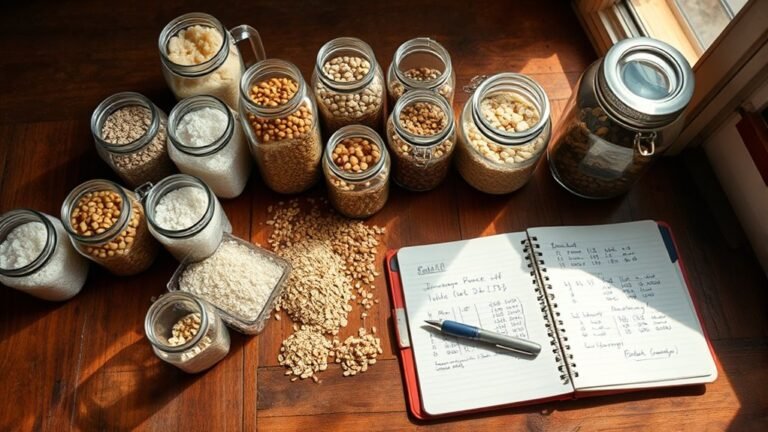
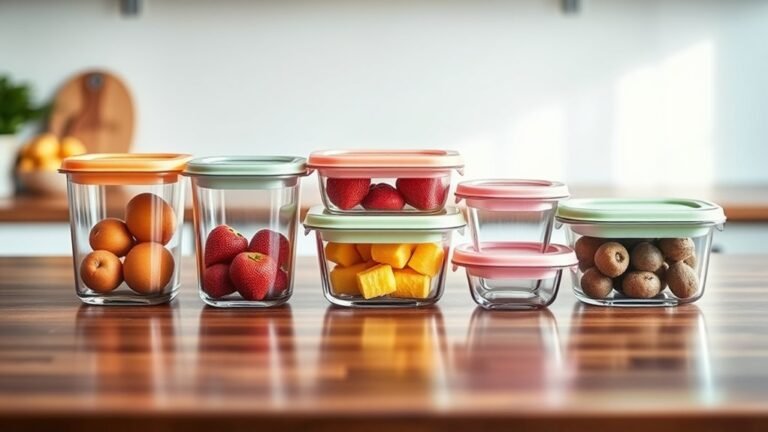
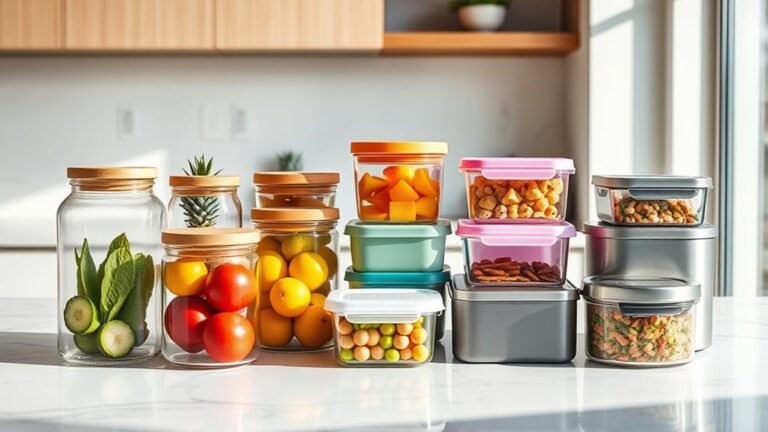
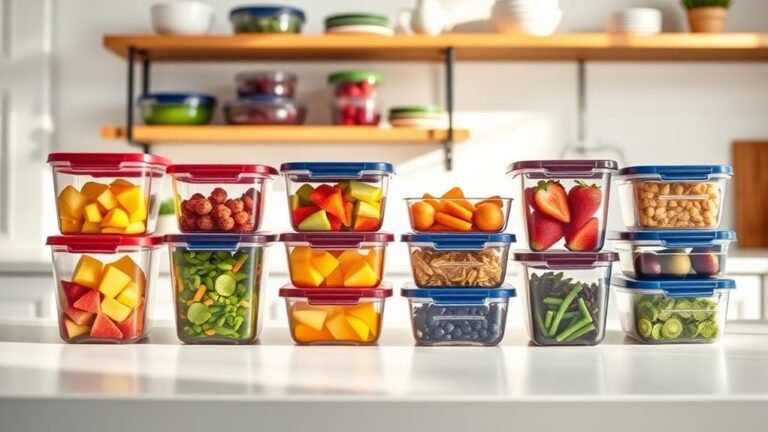
When you implement FIFO in your food storage, organizing your storage areas is essential. Place older items at the front or top to ensure proper rotation and prevent spoilage.
Use clear labeling with received, opened, or prepared dates to track expiration dates accurately. Group similar products together and arrange them by their use-by dates to streamline inventory management.
Regularly check your stock to identify and remove expired or near-expiry items, supporting food safety and waste reduction. Consistently train staff on FIFO procedures and monitor adherence to maintain effective stock organization.
Frequently Asked Questions
What Is the Purpose of a FIFO?
The purpose of a FIFO is to help you use your oldest items first, preventing spoilage and waste. It keeps your stock fresh, reduces losses, and simplifies managing your inventory efficiently and safely.
Basically, it’s all about making sure nothing goes to waste. You get to save money and keep everything running smoothly. Makes sense, right?
Why Is It Important to Use FIFO?
You want to use FIFO because it keeps your food fresh and safe while cutting down waste and costs.
Plus, it just so happens to help you pass inspections without a hitch—winning all around.
What’s the Difference Between FIFO and LIFO?
You’ll notice FIFO uses the oldest stock first to keep food fresh, while LIFO uses the newest stock first.
FIFO prevents spoilage, but LIFO can leave older items unused, increasing waste and safety risks.
It’s like, FIFO helps make sure nothing goes bad too quickly. But with LIFO, sometimes the older stuff just sits there.
That can mean more waste and even safety issues if you’re not careful.
How Should a Food Worker Store FIFO?
You’ll store FIFO by placing older food items at the front or top, so they get used first. This prevents waste—over 30% of food is discarded annually—by rotating stock based on expiration dates consistently.
It’s really about keeping things organized and making sure nothing goes bad before you get a chance to use it. Just think of it like a first-come, first-served system but for your food inventory. Simple, right?
Conclusion
By using FIFO in your food storage, you’re not just organizing shelves—you’re safeguarding health and flavor. Think of it as giving each item its moment in the spotlight before it fades away.
When you rotate stock properly, you prevent waste and keep everything fresh. This ensures every meal you prepare is top quality.
So, make FIFO your trusted kitchen companion. It’s the secret recipe to safety and deliciousness every time. Using FIFO in food storage helps maintain freshness, reduces spoilage, and promotes food safety. With this simple method, you can enjoy better-tasting meals while minimizing waste and keeping your kitchen efficient.