10 Tips on Where to Put Food Storage for Maximum Freshness
To keep your food fresh longer, it’s all about knowing where to put your food storage for maximum freshness. Store perishables in the coldest part of your fridge, like the bottom shelf or dairy drawer. Using crisper drawers for fruits and veggies helps keep them fresh and crunchy.
Keep raw meat on the lowest shelf to avoid any drips contaminating other foods. Use airtight containers for leftovers to lock in freshness and don’t overpack the fridge—airflow is key to keeping everything cool and fresh.
Freezing bread and leftovers can really extend their shelf life, so don’t hesitate to pop them in the freezer. Ripen produce on the counter first before refrigerating to get the best flavor. Herbs and root vegetables do better stored in cool, dark cupboards away from light.
And here’s a simple tip: always label and date everything so you stay organized and know what to use first. There’s actually a lot more to learn about optimizing your kitchen storage to keep your food fresher, longer!
Key Takeaways
- Store bread in a bread box or pantry using airtight containers to keep it cool and dry for maximum freshness. This helps prevent it from getting stale too quickly.
- Keep dairy products in the coldest refrigerator areas, like the bottom shelf or dairy drawer, avoiding the door. The door tends to be warmer, so it’s not the best spot for milk or cheese.
- Freeze leftovers and bread in airtight, labeled containers or heavy-duty wrap to extend shelf life and prevent spoilage. Labeling helps you keep track of what you have and when to use it.
- Ripen fruits like tomatoes and avocados at room temperature, then refrigerate once ripe to slow spoilage. This way, you get the best flavor before they start to go bad.
- Store herbs, spices, and root vegetables in cool, dark cupboards away from heat and light to maintain flavor and freshness. It’s amazing how much better they last when you keep them out of the sun!
Store Perishables in the Coldest Part of the Refrigerator
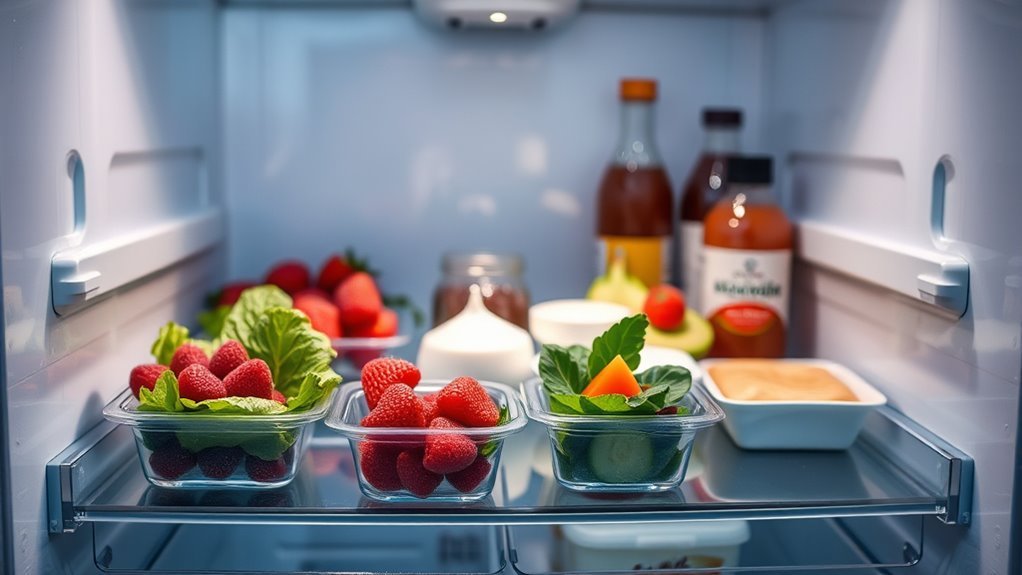
When you store perishables in the coldest part of your refrigerator, you help keep them fresh longer and reduce spoilage. The coldest part is usually the bottom shelf, especially the back corner.
This spot is perfect for raw meats, fish, and other perishables that need consistent, low temperatures. Avoid putting these items in the door compartments since they’re the warmest and can cause food to spoil faster.
Also, keep dairy products and leftovers on lower shelves, where it’s cooler than the top. By placing perishables in the coldest part of your refrigerator, you maintain their quality and safety, preventing bacteria growth.
This simple step can save you money and reduce food waste while keeping your meals fresh and safe to eat. It’s easy to do and really makes a difference!
Use Crisper Drawers for Fruits and Vegetables
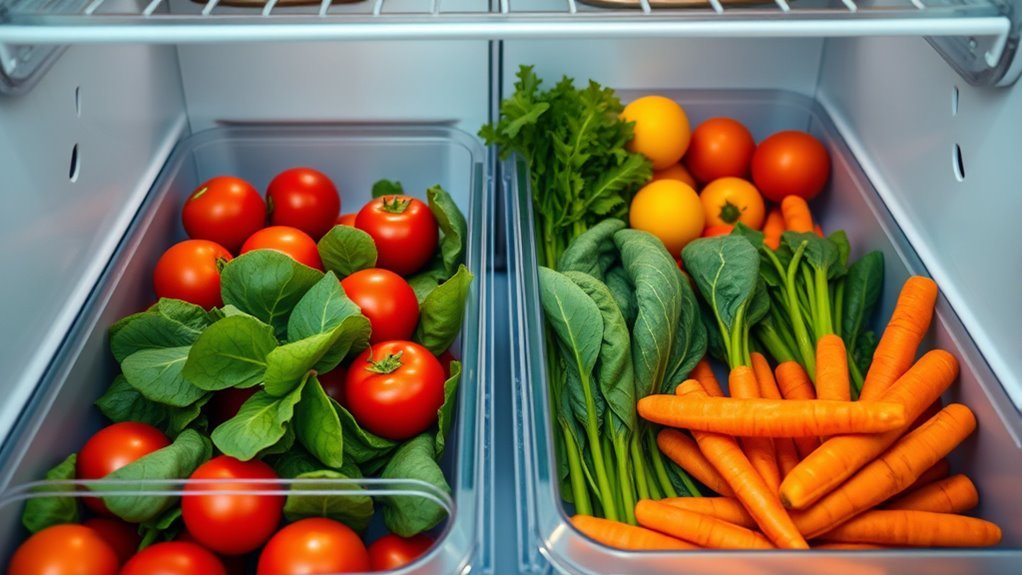
Although many people overlook them, crisper drawers play a crucial role in keeping your fruits and vegetables fresh by maintaining the right humidity levels. Using crisper drawers properly can extend the life of your produce and reduce waste.
Here are essential storage tips for your fruits and vegetables:
- Use the high-humidity setting for leafy greens and herbs that wilt easily.
- Store mold-prone fruits like berries and grapes in the low-humidity drawer.
- Keep ethylene-producing fruits such as apples and bananas separate from vegetables to avoid premature ripening.
- Organize your produce by type to optimize freshness.
- Regularly check and clean the crisper drawers to prevent spoilage.
Following these storage tips with your crisper drawers ensures your fruits and vegetables stay fresh longer. It really makes a difference!
Keep Raw Meat and Seafood on the Lowest Shelves
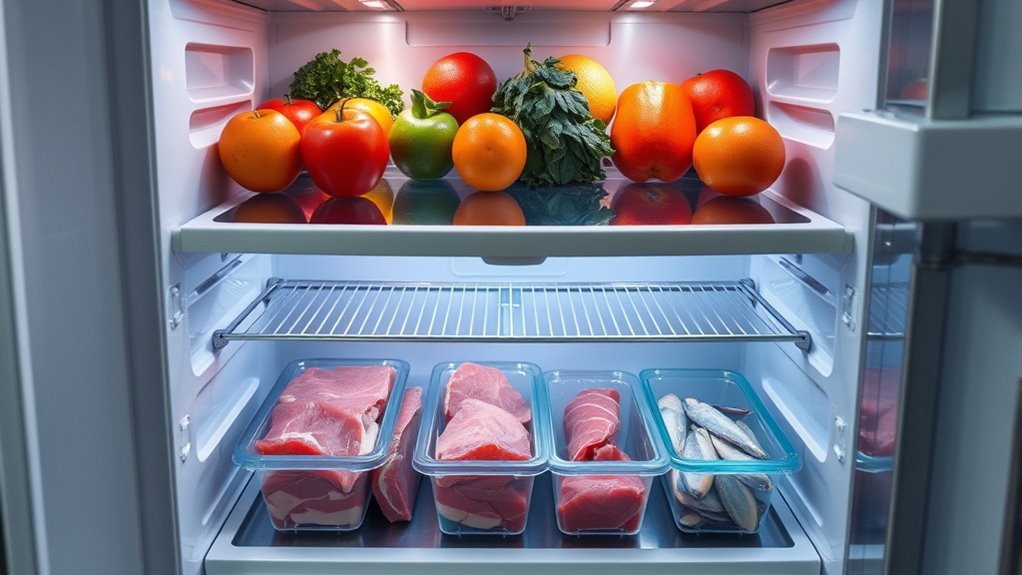
To keep your fridge safe and clean, always store raw meat and seafood on the lowest shelves. This refrigerator placement prevents drips from contaminating other foods, reducing the risk of bacteria transfer and foodborne illness.
Since the bottom shelf usually holds the coldest temperature, it’s ideal for keeping raw meat and seafood fresh. For effective food storage, make sure to place raw proteins in sealed plastic bags or containers to avoid spills.
Using leak-proof trays can catch any juices, maintaining your fridge’s cleanliness and protecting ready-to-eat foods above. By following these simple steps, you guarantee your food stays safe and fresh while minimizing contamination risks in your kitchen.
Utilize Airtight Containers for Leftovers and Cooked Foods
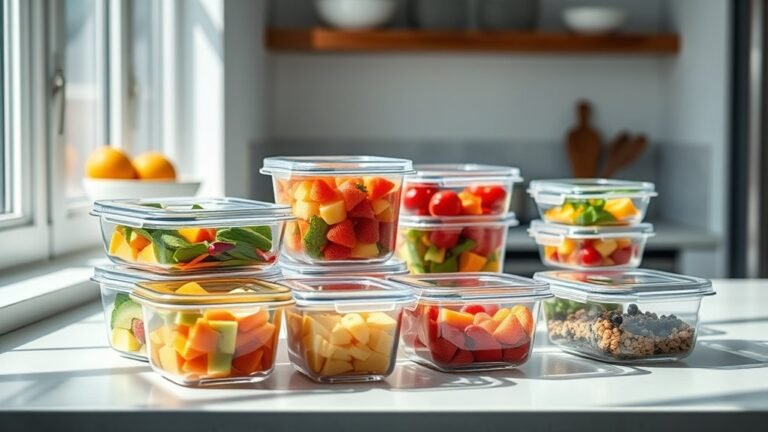
You’ll want to use airtight containers to keep your leftovers fresh and prevent odors from escaping. Choosing clear, high-quality containers made from glass or BPA-free plastic helps you easily identify and safely store your food.
Don’t forget to label each container with the date to track freshness and reduce waste. It’s a simple step that can save you money and keep your fridge organized.
Benefits of Airtight Containers
When you store leftovers and cooked foods in airtight containers, you lock in freshness by keeping moisture, air, and bacteria out. These containers are essential to keep your food fresh longer and improve your storage efficiency.
Using airtight containers not only preserves flavor and texture but also prevents odors from mixing. This way, every meal tastes just as good as when you made it.
- Protects food from spoilage by blocking air and bacteria
- Maintains original taste and texture by preventing exposure
- Reduces mold growth for safer consumption
- Minimizes refrigerator odors for uncontaminated flavors
- Clear containers help you quickly identify stored items
Best Container Materials
Choosing the right material for your airtight containers can make a big difference in how well your leftovers stay fresh. Glass containers are non-porous, stain-resistant, and don’t retain odors. That makes them perfect for cooked foods.
Plastic containers are lightweight and shatterproof. But always pick BPA-free options to keep your food safe.
Airtight containers prevent moisture and air from spoiling your food. They also help avoid cross-contamination and odor leaks. Using clear containers lets you quickly identify contents without opening lids.
| Material | Pros | Cons |
|---|---|---|
| Glass | Stain/odor resistant, durable | Heavier, breakable |
| Plastic (BPA-free) | Lightweight, shatterproof | Can stain, retain odors |
| Airtight Seal | Preserves freshness, blocks air | Must be properly sealed |
Avoid Overpacking to Maintain Proper Airflow
You can’t let your fridge or freezer get too packed because it blocks airflow, causing uneven cooling and quicker spoilage.
Watch for signs like warm spots or mold growth, which mean it’s time to clear some space. To keep things fresh, leave at least 1-2 inches between items and avoid stacking tightly.
Importance of Air Circulation
Because proper air circulation keeps your food fresh longer, it’s essential not to overpack your fridge or freezer. When you maintain proper airflow, cold air can evenly circulate around your items, preventing uneven temperatures and spoilage.
Good storage organization also reduces moisture buildup and mold growth by avoiding trapped humidity. You can achieve this by leaving space between containers and using adjustable shelving to enhance ventilation.
To improve air circulation and keep food fresh, remember to:
- Avoid overcrowding shelves and drawers
- Leave gaps between stored items
- Use clear containers for easy visibility
- Organize items by category and size
- Adjust shelving to fit your storage needs
These steps ensure proper airflow and help maintain food quality longer. It’s a simple way to keep your food fresher, for longer.
Signs of Overpacking Effects
When fridges or freezers get overpacked, airflow gets blocked, causing uneven cooling that speeds up spoilage. You’ll notice some foods spoil faster than usual, especially those near blocked vents where cold air can’t circulate properly.
Overpacking also leads to hot spots that encourage bacterial growth, making your food unsafe sooner. If your fridge seems to run constantly or uses more energy, that’s another sign overpacking is forcing it to work harder.
You might spot mold developing on items because restricted airflow raises humidity in crowded areas. To keep your food fresh longer, watch for these signs and remember that maintaining proper airflow is key to preventing spoilage and ensuring your refrigerator runs efficiently.
Tips to Prevent Overcrowding
Although it might be tempting to fill every inch of your fridge or freezer, leaving space between items is essential to keep air flowing freely. Overcrowding blocks air circulation, causing uneven cooling and faster spoilage.
To make the most of your storage space while preventing overpacking, follow these tips:
- Leave gaps between containers to maintain airflow.
- Avoid stuffing pantry shelves too tightly to reduce mold risk.
- Don’t block freezer vents with items to ensure efficient freezing.
Using stackable containers is a great idea. They allow air movement around them, making sure everything stays fresh.
And don’t forget to rotate items regularly. This helps you optimize space and keep your food fresh longer.
Store Bread and Dairy in Appropriate Temperature Zones
To keep your bread fresh and your dairy safe, you need to store them in the right temperature zones. Avoid putting bread in the refrigerator since its cool temperature dries it out faster, causing it to stale.
Instead, keep your bread in a cool, dry place like a bread box or pantry. Using airtight storage containers or paper bags helps maintain moisture.
Store bread in a cool, dry spot like a bread box or pantry using airtight containers or paper bags.
For dairy products such as milk, cheese, and yogurt, store them in the coldest part of the refrigerator. This is usually the bottom shelf or dairy drawer, where temperatures range between 37°F and 40°F.
Avoid the refrigerator door since it’s the warmest temperature zone and can speed up spoilage. Also, keep opened dairy items in sealed containers to prevent contamination and extend shelf life.
Freeze Leftovers and Breads to Extend Shelf Life
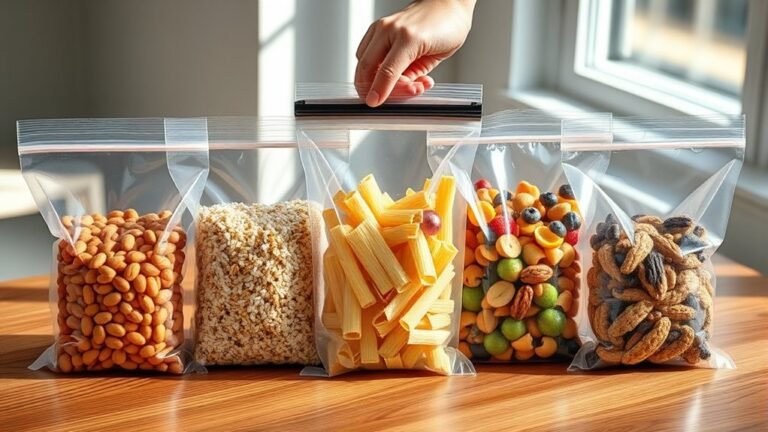
To keep your leftovers fresh longer, freeze them in airtight, labeled containers or heavy-duty wrap to prevent freezer burn. It really helps maintain their flavor and texture.
When storing bread, keep it in its original packaging or a resealable bag. Slice only what you need before freezing to avoid waste.
Don’t forget that butter freezes well too! This makes it easy to store for extended periods without losing quality.
Freeze Leftovers Properly
When you freeze leftovers and breads properly, you can extend their shelf life while maintaining quality and flavor. Use airtight containers or heavy-duty plastic wrap to prevent freezer burn and lock in freshness.
Always label and date your leftovers to keep track of storage times. Aim to consume them within 3-6 months for the best taste.
Avoid overfilling the freezer to ensure good air circulation, which keeps your food evenly cold. Blanch cooked vegetables before freezing to prolong their shelf life even further.
- Store leftovers in airtight containers to prevent freezer burn
- Label and date each item before freezing
- Keep freezer space organized for proper air flow
- Freeze cooked vegetables after blanching for up to 12 months
- Consume frozen leftovers within 3-6 months for maximum freshness
Store Bread Frozen
Although fresh bread tastes best, freezing it can keep your loaf from going moldy or stale for 3 to 6 months. To store bread frozen effectively, slice it first so you can thaw or toast only what you need.
Wrap the bread tightly in plastic wrap or aluminum foil, then place it in an airtight plastic bag or container to protect it from freezer burn. Make sure the packaging is sealed well to keep the bread’s freshness locked in while storing it in the freezer.
When you’re ready to enjoy it, thaw the slices at room temperature or toast them directly from the freezer for a quick, fresh taste. This simple method helps you reduce waste and enjoy bread longer.
Butter Long-Term Storage
Freezing bread helps extend its freshness, but you can also preserve other staples like butter for long-term use. Proper butter storage in the freezer locks in flavor and prevents spoilage, letting you enjoy it for months.
When freezing butter, make sure to wrap it tightly in plastic wrap or foil and place it in an airtight container to avoid freezer burn. Label the package with the date so you can keep track of how long it’s been stored.
When you’re ready to use the butter, thaw it slowly in the refrigerator for the best texture.
- Wrap butter tightly to maintain quality
- Use an airtight container for freezing
- Label with the freezing date
- Freeze up to 9 months safely
- Thaw butter gradually in the fridge for best results
Ripen Produce on the Counter Before Refrigerating
To help fruits like tomatoes and avocados reach their best flavor and texture, let them ripen on the counter at room temperature first. This ripening process relies on natural ethylene gas production, which speeds up maturity while preserving taste and texture.
Keep your produce out of the fridge until fully ripe, as cold temperatures slow down ripening and can negatively affect quality. Place fruits in a well-ventilated spot away from direct sunlight and heat to ensure even ripening.
Once your produce shows signs of readiness—like color change or softness—transfer it to the refrigerator to slow spoilage and keep it fresh longer. By managing ripening this way, you’ll enjoy better-tasting fruits and reduce food waste.
Use Cool, Dark Cupboards for Herbs, Spices, and Root Vegetables
Once your fruits have ripened and moved to the fridge, it’s important to give herbs, spices, and root vegetables the right environment to stay fresh longer. Store these items in cool, dark cupboards to preserve their flavor and prevent spoilage.
Keep herbs, spices, and root vegetables fresh by storing them in cool, dark cupboards away from heat and light.
Avoid heat, light, and humidity, which cause mold, sprouting, and flavor loss. Keep root vegetables like potatoes, onions, and garlic together in breathable containers to allow air circulation and reduce moisture buildup.
Here’s what you can do:
- Use a cool, dark cabinet away from the stove or sunlight
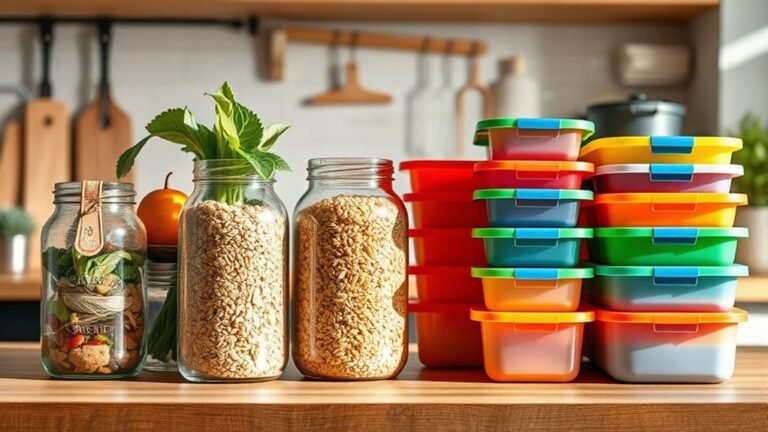
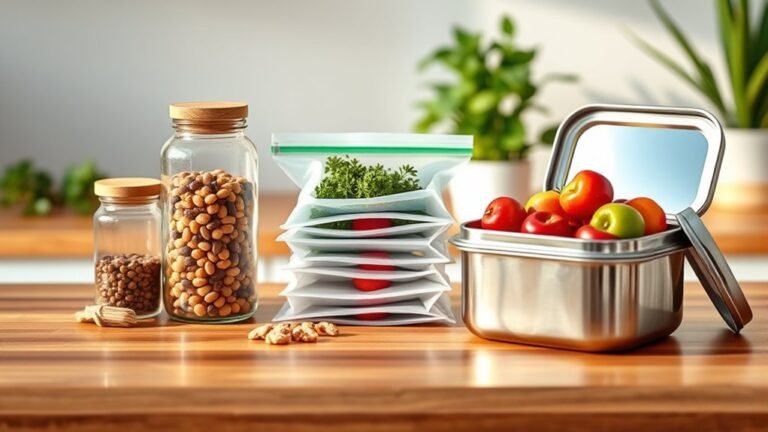
- Store herbs and spices in airtight jars inside the cupboard
- Keep root vegetables in baskets or paper bags
- Avoid plastic bags that trap moisture
- Check regularly for any signs of sprouting or spoilage
This simple setup helps your vegetables and seasonings stay fresh for weeks. Give it a try—you’ll notice the difference!
Label and Date Foods for Better Organization and Freshness
How can you keep your kitchen organized and reduce food waste? Start by labeling and dating all your food items. Use painter’s tape and a permanent marker to mark containers with the date of storage and contents.
This labeling system helps you track expiration and guarantees you use foods before they go bad. Store foods in clear, airtight containers so you can easily identify what’s inside and check expiration dates at a glance.
Snap photos of shelves and drawers to remember where everything is, preventing unnecessary double-buying. Keep a list on your fridge for shopping reminders and “Eat Me Soon” alerts to prioritize older items.
Consistently dating leftovers and perishables guarantees you consume them within their freshness window, maintaining maximum organization and minimizing waste. It really makes managing your kitchen a breeze!
Frequently Asked Questions
What Is the 2-2-2 Rule for Food Storage?
The 2-2-2 rule means you refrigerate leftovers within 2 hours, eat them within 2 days, and freeze if storing beyond 2 days.
Following it helps keep your food safe, fresh, and reduces waste effectively.
It’s a simple guideline that makes managing leftovers way easier.
Just remember those two-hour and two-day marks to keep your meals tasting great and safe to eat!
What Are 5 Important Food Storage Tips?
You know what they say, “An ounce of prevention is worth a pound of cure.” So, you should keep perishables cold and separate ethylene fruits.
Also, use airtight containers, label dates, and store potatoes in cool, dark places to stay fresh longer. These simple steps really help your food last!
What Two Foods Never Expire?
You’ll find that honey and white sugar never expire. Their low moisture content stops bacteria from growing, so if you store them properly in airtight containers, they’ll stay fresh indefinitely without spoiling or losing quality.
Pretty amazing, right? Just make sure to keep them sealed tight, and they’ll be good to go whenever you need them.
What Two Fruits Should Not Be Stored Together?
You shouldn’t store apples and bananas together—they emit ethylene gas that speeds ripening.
In fact, bananas produce up to five times more ethylene than apples. This causes other fruits nearby to spoil much faster.
Conclusion
Think of your kitchen like a well-tuned orchestra—each storage spot plays its part in keeping your food fresh and vibrant. By placing perishables in the coldest spots and using crispers wisely, you create harmony that extends your food’s life. Avoid overcrowding to let air circulate properly and keep everything fresh longer.
With airtight containers and smart labeling, you’ll always know what’s fresh and ready to use. This simple step helps prevent waste and keeps your kitchen organized. Follow these tips, and your food storage will sing a fresher, longer-lasting tune every day.
Maximizing food freshness starts with knowing where to put your food storage. Cold spots, crispers, and proper containers all play key roles. When you store food correctly, it stays fresh longer, tastes better, and reduces waste. So, use these food storage tips to keep your kitchen efficient and your meals delicious. Your efforts will pay off with fresher food every time you open the fridge or pantry!