
How Do Smart Refrigerators Improve Food Storage Step by Step
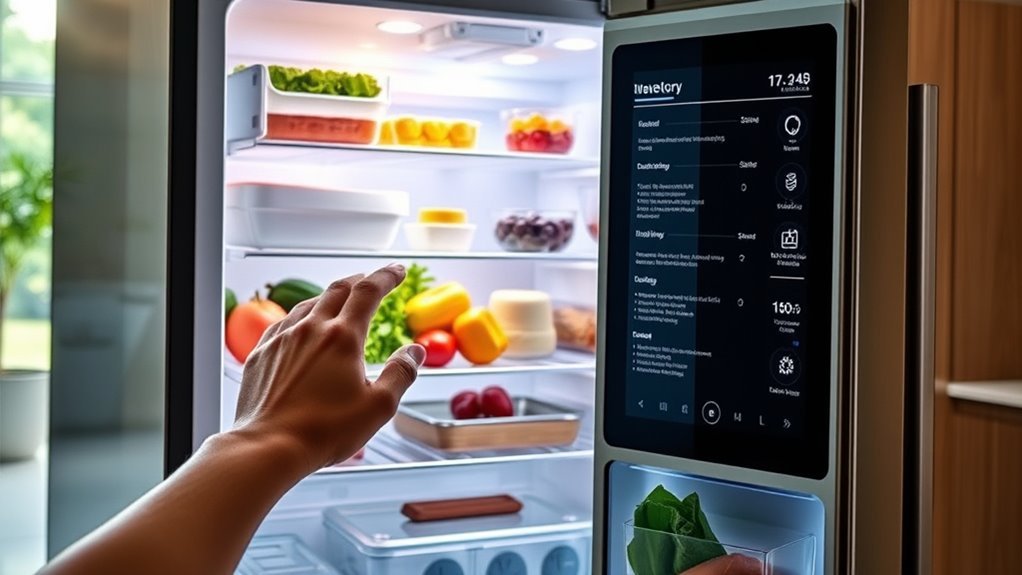
Smart refrigerators improve your food storage step by step by using smart sensors to monitor temperature, humidity, and airflow constantly. These sensors keep conditions just right to extend the freshness of your food. It’s like having a watchful eye on your groceries 24/7!
Their AI adjusts cooling cycles and tracks food age, alerting you before items expire. This way, you never miss out on using up your food in time.
Plus, they scan and update your inventory in real time, helping you avoid overbuying and waste.
With these features, your food stays fresher longer, and your kitchen runs smoother. There’s plenty more on how these innovations transform your daily food management, making life easier and less stressful.
Key Takeaways
- Smart refrigerators use sensors to continuously monitor temperature, humidity, and airflow. This helps maintain optimal storage conditions for different food types.
- AI algorithms regulate cooling cycles and adjust climate settings. They make sure the temperature stays consistent and prevent food spoilage.
- Internal cameras and barcode scanners keep track of food age and expiration dates. They send alerts to help reduce waste and manage freshness.
- Real-time inventory management updates food quantities using sensors and cloud connectivity. This lets you monitor your fridge remotely and even generates automatic shopping lists.
- By integrating monitoring, AI, and inventory features, smart refrigerators make food storage easier. They help reduce waste and make grocery shopping way more efficient.
How Smart Sensors and AI Keep Food Fresh Longer
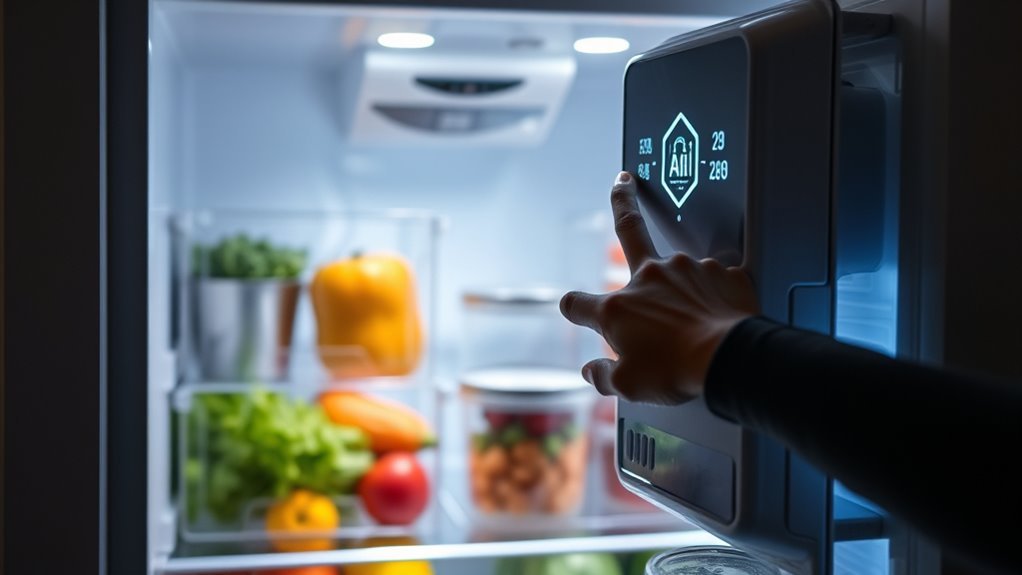
How exactly do smart sensors and AI keep your food fresh longer? Smart sensors constantly monitor temperature, humidity, and airflow inside your refrigerator to maintain perfect storage conditions.
AI algorithms analyze this data to adjust cooling cycles automatically, ensuring consistent temperature regulation that prevents food spoilage. These sensors also detect the presence and quantity of specific items, optimizing storage conditions tailored for each type of food, which boosts food freshness.
Your smart fridge uses internal cameras and barcode scanning to track food age accurately, sending you expiration alerts before items go bad. Over time, the AI learns your habits and fine-tunes storage conditions, enhancing food preservation and reducing waste.
How Smart Refrigerator Connectivity Enables Real-Time Inventory Tracking
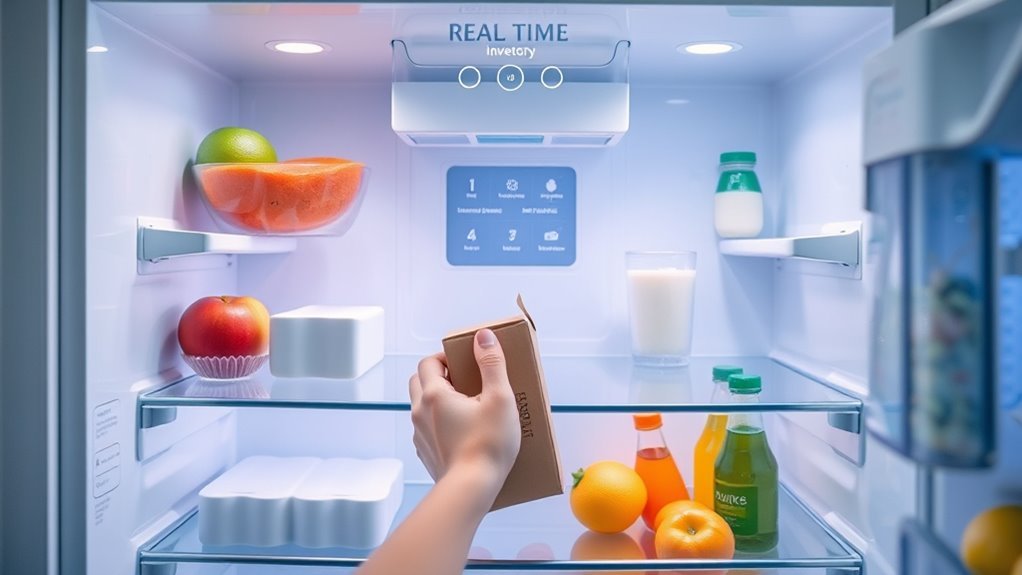
Building on the precise monitoring of food freshness, smart refrigerators also connect you to your kitchen inventory in real time. Thanks to connectivity through a Wi-Fi network, your smart refrigerator uses built-in cameras and sensors to scan and identify food items automatically, updating your real-time inventory.
Smart refrigerators use Wi-Fi and sensors to scan and update your kitchen inventory in real time.
This seamless integration really improves your food storage and inventory management by:
- Tracking expiration dates and alerting you before items spoil.
- Synchronizing inventory data instantly with smartphone apps and cloud databases.
- Generating shopping lists and restock suggestions based on current supplies.
- Enabling remote monitoring of food quantities, so you can check your inventory anywhere.
With these features, you no longer have to guess what’s inside your fridge or what you need to buy. Instead, your smart refrigerator’s real-time inventory and connectivity streamline your food storage management, reduce waste, and make grocery shopping way more efficient.
Frequently Asked Questions
How Does a Smart Refrigerator Help With Managing Food?
A smart refrigerator helps you manage food by tracking quantities and expiration dates. It sends alerts and generates shopping lists to keep you organized.
You can even adjust temperatures remotely, which is pretty handy. This keeps your food fresher longer and helps reduce waste effortlessly.
What Are the Disadvantages of a Smart Fridge?
You’ll love paying extra for a fridge that spies on your leftovers and locks up when Wi-Fi drops.
Plus, you’ll enjoy deciphering complicated menus while hackers might crash your kitchen party. Fun, right?
What Are the Benefits of a Smart Refrigerator?
You’ll enjoy less food waste, smarter grocery trips, and fresher meals. Smart fridges track expiration dates, adjust storage conditions, and send alerts.
Plus, you can check your fridge remotely, making managing food effortless and efficient. It’s like having a helpful assistant right in your kitchen!
What Refrigerator Brand to Stay Away From?
Avoid brands that feel like dial-up internet—slow, unreliable, and frustrating. You shouldn’t choose those with poor Wi-Fi, frequent defects, weak customer support, or inconsistent updates.
They’ll leave you stuck with faulty smart features and wasted money. Seriously, it’s just not worth the hassle.
Conclusion
You might think your fridge is just a cold box, but with smart sensors and AI, it’s a game-changer for keeping food fresh longer. Imagine never wondering what’s inside or when something spoils—real-time inventory tracking makes that possible.
But here’s the twist: this technology is just getting started. What if your fridge could predict your grocery needs before you even realize them?
Stay tuned, because the future of food storage is closer than you think. Smart refrigerators are improving food storage step by step by combining AI, sensors, and connectivity to make managing your groceries easier and more efficient. This means less food waste, fresher meals, and smarter shopping habits—all thanks to the power of technology working quietly in your kitchen.