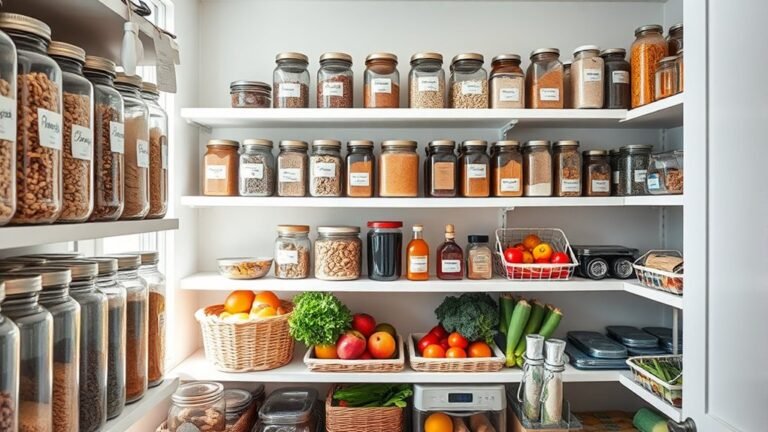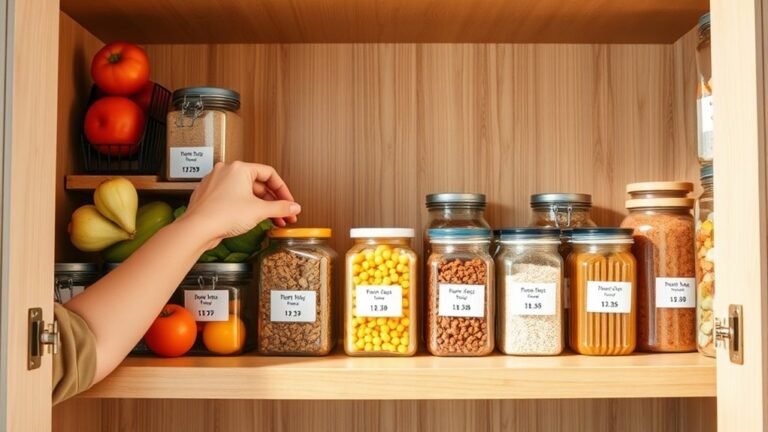

7 Correct Food Storage Methods You Should Know
You should refrigerate perishables within two hours and keep your fridge at 40°F or below to slow bacterial growth. Store raw meats separately and use different cutting boards to prevent cross-contamination.
Freeze foods at 0°F and thaw meat safely in the fridge. Vacuum sealing extends freshness and reduces freezer burn.
Try canning or dehydrating for long-term storage. Keep root veggies cool and humid in a root cellar.
These basics set you up for safe, fresh food management. Following these correct food storage methods helps you keep your meals delicious and healthy every time.
Key Takeaways
- Refrigerate perishable foods within two hours. If it’s above 90°F, try to do it within one hour. This helps stop harmful bacteria from growing.
- Always store raw meats separately and keep them sealed. You don’t want them touching ready-to-eat foods because that can cause cross-contamination.
- Keep your refrigerator at 40°F or below. Your freezer should be at 0°F. These temps keep your food safe and fresh.
- When thawing meat, do it safely in the fridge or use your microwave’s defrost mode. And remember, never refreeze meat that’s been thawed outside the fridge.
- To keep food fresh longer and avoid freezer burn, use vacuum sealing or airtight containers. They really help extend the life of your stored food.
Fundamentals of Safe Food Storage
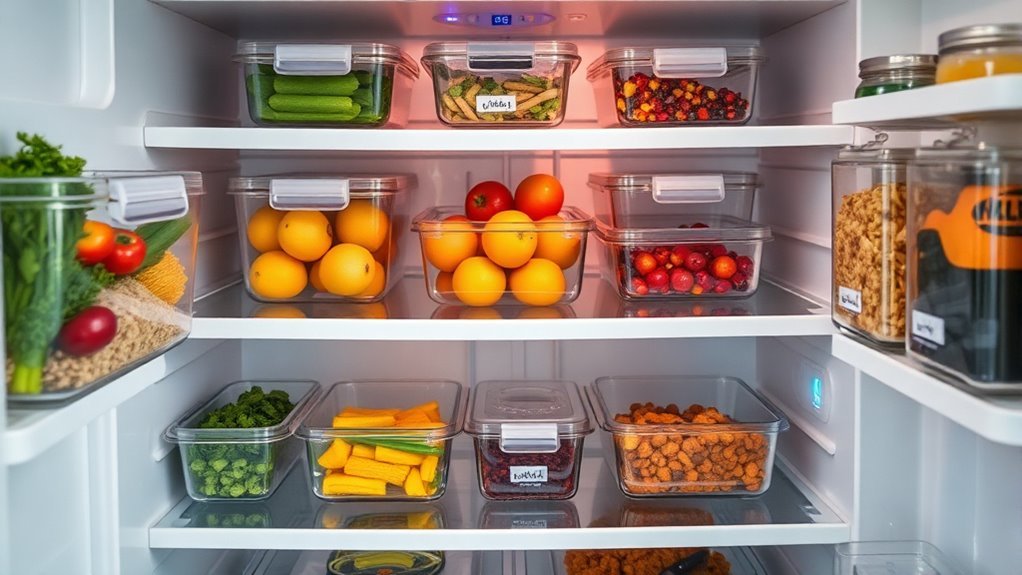
When you bring perishable foods home, refrigerate them within two hours—or within one hour if the temperature is above 90°F—to keep them safe. You don’t want to leave foods sitting out too long because harmful bacteria multiply quickly.
Use separate cutting boards for raw meats and ready-to-eat foods to prevent cross-contamination. It’s a simple step but super important.
Proper food storage means sealing raw meats tightly and placing them separately from other items in your refrigerator. Also, never reuse utensils or cutting boards without giving them a good, thorough cleaning.
Seal raw meats well and keep them separate; always clean utensils and boards before reuse.
Keep your refrigerator at 40°F or below to slow bacterial growth. And try not to pack the fridge too tightly—restricting airflow reduces cooling efficiency.
Following these fundamentals helps keep your food fresh and safe. Plus, it lowers your risk of foodborne illnesses and spoilage.
Safely Store Perishable Foods in Refrigerators and Freezers
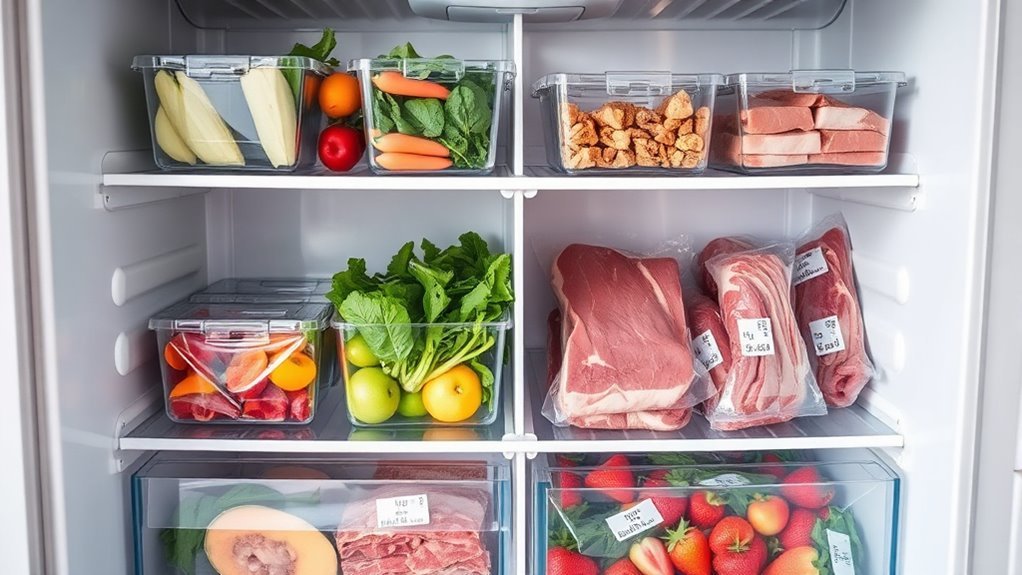
To keep perishable foods safe and fresh, you need to store them in your refrigerator or freezer at the right temperatures—40°F or below for the fridge and 0°F for the freezer. Make sure to use an appliance thermometer to verify these temperatures.
Refrigerate foods within 2 hours of use, or within 1 hour if it’s above 90°F outside. When storing raw meat, wrap it tightly or use sealed containers. Keep it separate from ready-to-eat foods to avoid cross-contamination.
Freeze foods promptly in freezer bags to reduce air exposure and slow down freezer burn. Always thaw meat in the refrigerator, and be sure to cook or refreeze it promptly.
| Action | Recommendation |
|---|---|
| Fridge temperature | 40°F or below |
| Freezer temperature | 0°F |
| Time to refrigerate | Within 2 hours (1 hour if hot) |
| Raw meat storage | Wrapped/sealed, separate |
| Thawing method | In refrigerator only |
Extend Freshness Using Vacuum Sealing
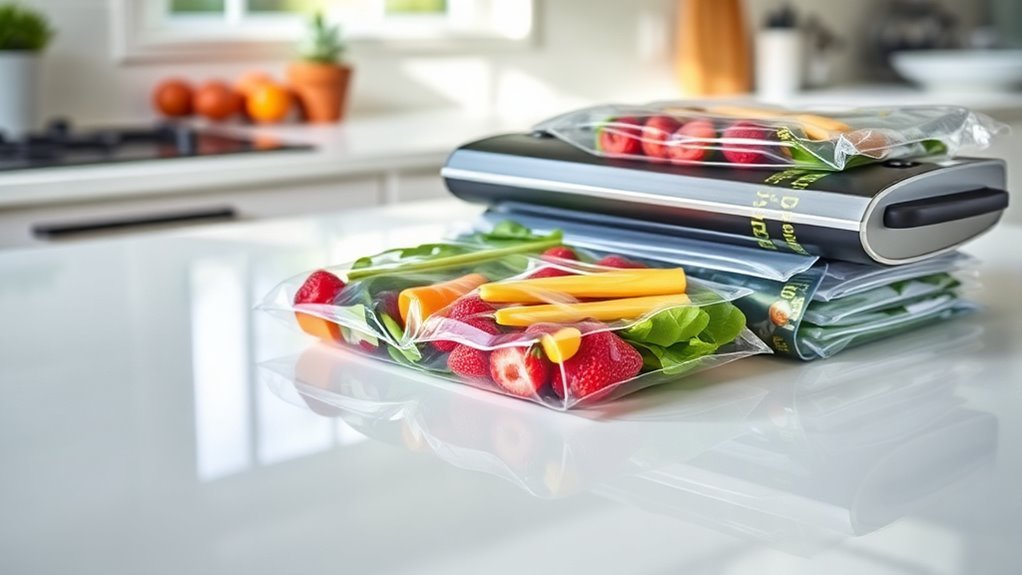
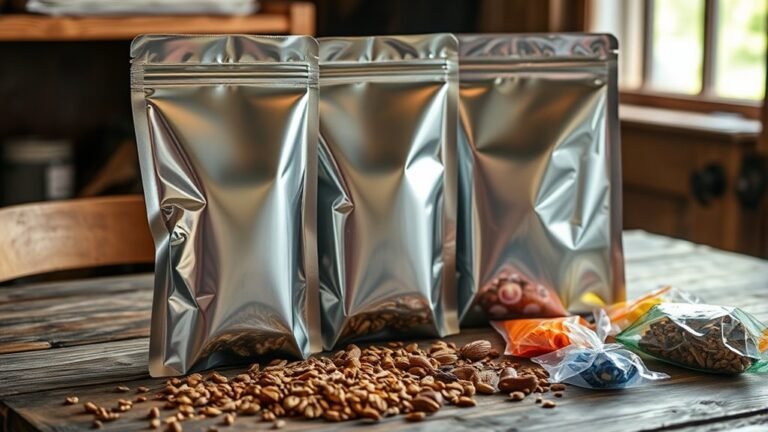
You can extend the freshness of many foods by vacuum sealing, which removes air to slow spoilage and freezer burn. It works best with meats, cheeses, and vegetables stored in freezer-safe bags or containers.
Just remember to label and date each package so you can keep track of your food’s quality over time. It really helps you know what you have and when to use it.
Benefits Of Vacuum Sealing
How can you keep your food fresher for longer? Vacuum sealing removes most of the air around your food, slowing oxidation and reducing freezer burn and quality loss caused by air exposure.
By limiting oxygen, vacuum sealing extends freshness for meats and produce beyond what standard airtight containers provide. Your frozen items will last longer, too, because less air means less moisture loss and slower bacterial spoilage.
To get the best results, use freezer-grade vacuum bags or containers, and label each package with dates so you can rotate your stock efficiently. Remember to follow safe thawing practices, like defrosting in the refrigerator or using microwave defrost mode, to prevent bacteria growth and keep your food safe and fresh.
Foods Ideal For Vacuum
Vacuum sealing works wonders for a variety of foods by removing air that speeds up spoilage. It’s perfect for dry or low-moisture items like nuts, dried pasta, rice, flour, coffee beans, and powdered mixes. This prevents oxidation and extends freshness.
You can also vacuum-seal raw or cooked meats and fish in freezer bags to reduce freezer burn and maintain quality. Just remember to thaw them safely in the fridge.
For vegetables such as chopped peppers, sliced mushrooms, and blanched green beans, vacuum sealing preserves texture and slows enzyme activity. But be sure to blanch most veggies first.
Store vacuum-sealed pantry items in a cool, dark spot, and frozen foods at 0°F. Always label packages with dates and use foods within recommended timelines for safety and best quality.
Preserve Foods Long-Term With Canning
Although it requires careful attention to detail, canning lets you preserve foods long-term by heating them to kill harmful bacteria and sealing them airtight. You can safely store properly canned foods without refrigeration in a cool, dark place for up to five years, depending on the food and method used.
Always follow tested canning procedures, including correct processing times and using either pressure or boiling-water methods, to avoid botulism risks. It’s really important to get this part right.
Make sure you use clean, sterilized jars with appropriate lids and rings to form a proper seal—an unsealed jar can spoil even if it looks fine. After canning, keep your jars cool and out of light, and check seals before eating to ensure your preserved foods stay safe and fresh.
Dehydrate Foods for Off-Grid and Long-Term Storage
When you remove water from food through dehydration, you stop bacteria and mold from growing. This makes it ideal for off-grid and long-term storage.
Use a food dehydrator for consistent results. Or, if you like, sun-dry foods that suit that method, just be sure to keep them protected from insects and dust.
Dry foods until they’re leathery or crisp with no wet spots. Once dried, cool your food completely before storing it in airtight containers or vacuum-sealed bags. This helps prevent moisture absorption.
Store these containers in a cool, dark place to maximize shelf life. Properly dehydrated foods can last months or even years depending on conditions.
When you’re ready to eat, only rehydrate what you’ll consume. And always discard any food that smells off, shows mold, or has absorbed moisture. That way, you keep things safe and tasty!
Keep Root Vegetables Fresh in a Root Cellar
To keep root vegetables fresh, you’ll want a root cellar that stays cool and dark, ideally between 32 and 40°F.
Store potatoes, carrots, beets, and turnips in breathable containers with good airflow to prevent moisture buildup and rot.
Using damp sand or sawdust can help maintain the right humidity, especially for carrots and beets, so they don’t dry out. This little trick really makes a difference!
Ideal Root Cellar Conditions
Keeping your root cellar cool and dark at around 32–40°F helps slow spoilage and preserve the freshness of root vegetables. You’ll want to maintain high humidity—around 85–95%—to prevent produce like carrots and potatoes from shriveling.
Use breathable storage options such as crates or perforated bins, and keep the vegetables dry on the outside to avoid mold and rot. Be sure to remove any spoiled items quickly and ventilate the space as needed since trapped gases and moisture can speed up decay.
Store different crops separately when possible, as items like apples release ethylene gas, which can affect nearby produce. Finally, handle only what you plan to use immediately to minimize temperature fluctuations and keep your root cellar conditions stable.
Best Root Vegetables Storage
Although storing root vegetables properly requires some attention, you’ll find that using a cool, dark root cellar with good ventilation preserves their freshness for months.
Keep your cellar between 32–40°F to slow sprouting and spoilage. Just avoid freezing temperatures to prevent chilling damage.
Use ventilated bins or crates instead of airtight bags to control humidity and reduce rot. It also helps to separate moist items and check regularly for soft spots to stop spoilage from spreading.
Under these conditions, many root vegetables can last several months, with some varieties up to a year.
| Storage Tip | Benefit |
|---|---|
| Cool, dark cellar | Slows spoilage and sprouting |
| Ventilated containers | Controls humidity, reduces rot |
| Avoid freezing temps | Prevents chilling damage |
| Regular inspections | Stops spread of spoilage |
Food Safety Tips for Storage, Thawing, and Handling
Proper food safety starts the moment you bring groceries home. Refrigerate perishable foods within 2 hours—or 1 hour if it’s over 90°F. Make sure your fridge stays at 40°F and your freezer at 0°F.
When thawing meat, never leave it out at room temperature. Instead, thaw it safely in the refrigerator, use the microwave’s defrost function, or soak it in hot water.
To prevent cross-contamination, use separate cutting boards, utensils, and plates for raw and ready-to-eat foods. Always sanitize surfaces after they’ve been in contact with raw meat.
Don’t wash raw poultry—that can actually spread bacteria around your kitchen. Cook poultry and most seafood to 165°F, and fresh beef, pork, and ham to at least 145°F.
Also, keep an eye on expiration dates and never refreeze meat that was thawed outside the fridge. That way, you’re handling food safely every step of the way.
Frequently Asked Questions
Can I Store Cooked and Raw Foods Together Safely?
No, you shouldn’t store cooked and raw foods together because raw foods can contaminate cooked ones.
Keep them separate in sealed containers, and store raw foods below cooked items to prevent any drips or cross-contamination.
It’s really about keeping things safe and clean in your kitchen. So, a little extra care goes a long way!
How Does Humidity Affect Food Storage Longevity?
Did you know 30% of food spoilage is due to improper humidity? High humidity speeds mold growth, while low humidity dries out produce.
You’ll prolong freshness by storing foods in the right moisture conditions. It really makes a difference!
What Are the Best Containers for Storing Dry Goods?
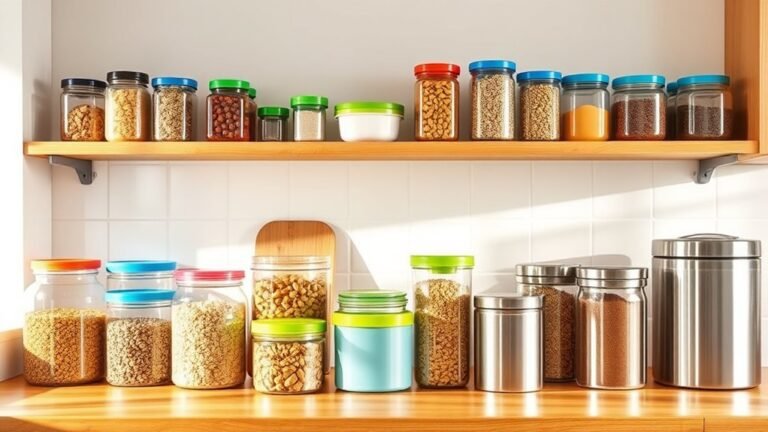
You should use airtight containers made of glass, BPA-free plastic, or stainless steel to store dry goods. They keep moisture and pests out, preserving freshness and extending shelf life effectively.
It’s really all about keeping your food safe and fresh for as long as possible. Plus, these containers make it super easy to see what you have stored, so nothing gets forgotten in the back of the pantry.
How Often Should I Clean My Refrigerator to Prevent Spoilage?
You should clean your refrigerator every 3 to 4 months. Studies show that 60% of spoilage comes from bacteria buildup.
Regular cleaning stops mold and odors. It keeps your food fresh and safe longer.
Don’t skip it! Taking a little time now saves you from wasting food later.
Can Storing Food Near Cleaning Products Cause Contamination?
Yes, storing food near cleaning products can cause contamination because chemicals might leak or vaporize.
You should always keep food separate and sealed away from cleaning supplies to protect your health and avoid accidental poisoning.
It’s a simple step that can make a big difference. Just keep things apart to stay safe!
Conclusion
By mastering these seven food storage methods, you’ll keep your ingredients fresh and safe, saving both time and money. Don’t let your efforts go down the drain—proper storage is the key to extending shelf life and preventing waste.
Whether you’re refrigerating, vacuum sealing, or canning, a little care goes a long way. With these tips, you’ll always have a well-stocked kitchen ready to whip up something delicious.
Proper food storage is essential for maintaining freshness and safety in your kitchen. By using the right methods, you not only save money but also reduce food waste. These simple steps help extend the life of your ingredients, making meal prep easier and more efficient. So, keep these food storage tips in mind to enjoy fresh, safe, and tasty meals every day!