7 Best Places to Buy 10 Cans for Food Storage
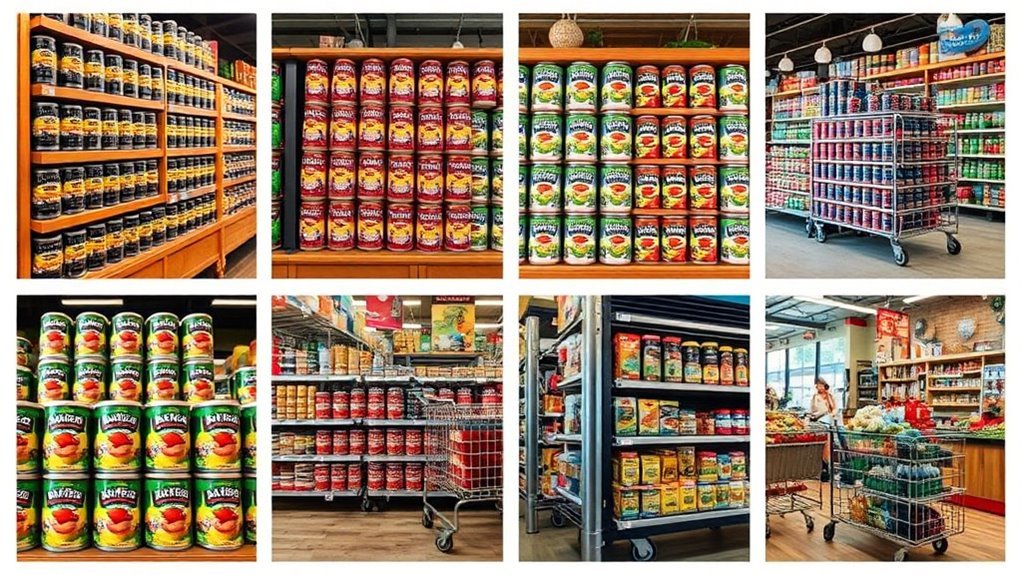
You can get 10 cans for food storage reasonably by shopping warehouse clubs like Costco or Sam’s Club, restaurant-supply wholesalers, and big-box retailers offering multipacks. These places often have great deals if you’re looking to stock up without breaking the bank.
Local farmers’ markets and regional produce distributors also provide seasonal bulk deals. It’s a smart way to find fresh options while supporting local businesses.
Don’t forget online specialty retailers and community case-lot sales for variety and savings. Always compare unit prices and check can quality to ensure freshness.
Keep exploring to discover the best bulk sources and smart buying tips for building a reliable pantry. Finding the right spot can make all the difference for your food storage needs!
Key Takeaways
- Warehouse clubs and restaurant-supply wholesalers offer affordable 24–48 can multipacks. These are ideal if you want to buy 10 cans for food storage without breaking the bank.
- Big-box retailers have multi-can bundles and 12 or 24-pack assortments. They’re perfect for building a varied pantry with different options.
- Online specialty retailers sell standardized small-batch cases. These are great if you want to buy exactly 10 cans with freshness and quality guarantees.
- Community threads and case-lot deal sites help you find discounted canned food cases. They’re a smart way to stock your pantry in bulk and save money.
- Local farmers’ markets, regional wholesalers, and produce auctions offer seasonal bulk canned goods. You can often get staples at lower prices there.
Bulk Food Sources for Canning: Where to Buy Affordable Supplies

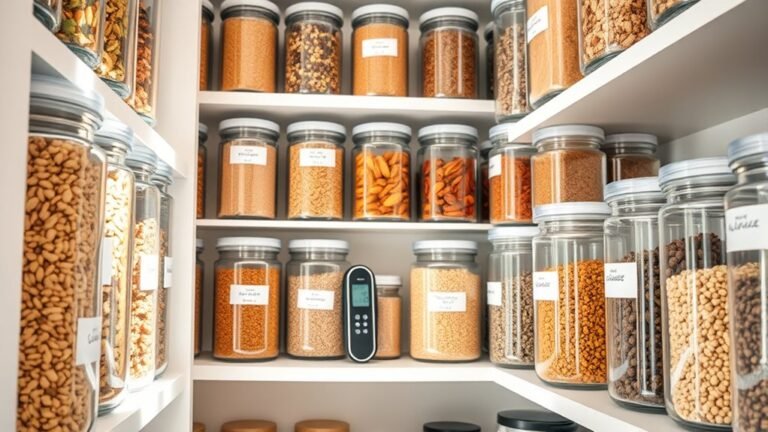
If you want to save money on canning supplies, start by buying bulk dry goods like macaroni and beans from warehouse clubs, restaurant-supply wholesalers, or stores with bulk bins such as WinCo. These options let you purchase by the pound, building a canning pantry before prices rise.
You can find shelf-stable ingredients in large quantities, which cuts costs compared to buying small packages. For canned foods already preserved, keep an eye on community threads focused on bulk-canning or emergency prep; they often share leads on wholesalers offering case-lot deals.
Prioritize buying jars and lids in bulk from dedicated wholesalers or canning-supply distributors, as this lowers your per-unit cost. By choosing these sources, you’ll stretch your budget while preparing for long-term food storage efficiently.
Where to Find Bulk Produce and Dry Goods for Canning

After making sure bulk dry goods and canning supplies, the next step is locating affordable bulk produce and additional dry items that suit your canning needs. Start by checking local farmers’ markets, farm stands, and produce auctions where you can often find discounted seconds or bulk lots perfect for canning.
In some regions, like Indiana, wholesalers and regional produce distributors offer bulk pricing during peak harvests—planning your purchases here can save you a lot. For dry goods like beans, pasta, and macaroni, look to restaurant supply stores, warehouse clubs, or online bulk grocers selling by the case or bag to cut costs.
Combining bulk dry goods with fresh bulk produce picked up the same week helps you manage expenses and ensure your canning schedule flows smoothly. It’s all about timing and knowing where to look!
Bulk Canning Jars and Containers: Buying in Bulk Made Easy
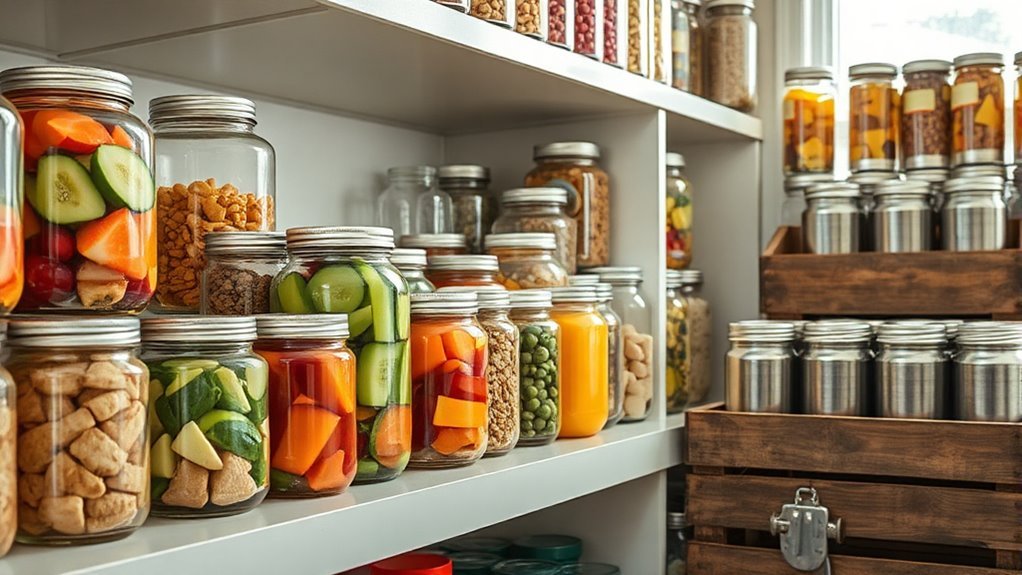
When you buy canning jars in bulk, you’ll save notably compared to purchasing individual jars. Buying in cases of 12–24 jars from major canning supply retailers or warehouse clubs lowers your per-jar cost.
Purchasing canning jars in bulk cases significantly reduces the cost per jar compared to buying them individually.
Online marketplaces also offer “case lot” listings, but make sure the lids and rings fit your jars. Local canning groups and farm co-ops often sell surplus jars by the flat or case, which can be a bargain.
Don’t forget to buy extra two-piece lids and replacement rings in bulk for long-term storage, as only lids need replacing. Lastly, factor in shipping costs since glass jars are heavy; sometimes a low price can be offset by high freight fees.
- Check major retailers and warehouse clubs
- Explore online “case lot” listings
- Connect with local canning groups or co-ops
- Buy lids and rings in bulk alongside jars
Top Retailers for Bulk Canned Food in Small, Convenient Batches
You’ll find the best deals on bulk canned food by focusing on retailers that offer small, convenient batch options. Warehouse clubs, grocery chains with store brands, and big-box stores often have mixed packs or multi-can bundles perfect for easy storage and use.
Shopping these places lets you build a well-stocked pantry without overwhelming your space or budget. It’s all about getting what you need in manageable amounts so you don’t end up with too much of one thing.
That way, you can keep your pantry organized and your meals varied without breaking the bank or cluttering your shelves.
Bulk Canned Food Retailers
Although buying in bulk often means committing to large quantities, many retailers now offer small, convenient batches of canned food that make stocking your pantry easier.
You can find great deals without overwhelming your storage space by exploring these options:
- Big-box retailers with multi-packs or case deals labeled “club sizes” offer smaller quantities that still cut unit costs.
- Wholesale clubs like Costco or Sam’s Club sell 12–24 can assortments, perfect for manageable bulk buying.
- Local restaurant supply or cash-and-carry wholesalers provide single-product case pricing on staples like beans and corn, often cheaper than grocery stores.
- Online specialty retailers let you compare prices and buy standardized small-batch cases with consistent can sizes, simplifying rotation and use.
These choices help you build your food storage smartly and affordably.
Small Batch Purchase Options
Finding the right sources for small-batch bulk canned food can make your pantry more manageable and budget-friendly. Warehouse clubs like Costco Business Center and Sam’s Club offer multipacks (24–48 cans) with lower unit prices.
Restaurant supply stores and online retailers like WebstaurantStore sell case quantities ideal for smaller batches. Big-box stores provide multi-can assortments, so watch for deals.
Prioritize buying consistent can sizes and labels from one retailer for easy storage and rotation. It just makes your life simpler when organizing and using your stock.
| Retailer Type | Packaging Options | Benefits |
|---|---|---|
| Warehouse Clubs | 24–48 can multipacks | Lower unit price |
| Restaurant Supply | Case quantities | Common staples, smaller batch |
| Online Bulk Retailers | Case packs | Doorstep delivery |
| Big-Box Chains | 12/24-pack assortments | Promotions, flexible sizes |
| Consistency Focus | Standardized can sizes | Easier shelf organization |
Convenient Food Storage Choices
When stocking up on canned foods in small, convenient batches, major retailers like Walmart and Target offer case-pack deals ranging from 12 to 24 cans—perfect for those who want variety without overcommitting.
You can also explore warehouse stores like Costco and Sam’s Club for bulk options with mix-and-match varieties that lower per-can costs. Online platforms such as Amazon Fresh and Thrive Market provide subscribe-and-save deals, making it easy to keep your favorites stocked.
Don’t overlook grocery store promotions for store-brand cans, helping you build your stash faster.
Here are top convenient food storage choices:
- Walmart & Target case-pack deals
- Costco & Sam’s Club bulk assortments
- Amazon Fresh & Thrive Market subscriptions
- Grocery store weekly ads and promotions
Comparing Prices and Quality When Buying Bulk Canning Supplies
When buying bulk canning supplies, you’ll want to compare prices by looking at the cost per standard can size. This helps prevent confusion from different pack counts.
Pay close attention to quality factors like the type of inner coating, lid sealing, and any signs of corrosion. These details can make a big difference in how well your canned goods stay fresh.
Also, choose trusted suppliers who handle their stock carefully. You want to make sure your cans stay in good condition during storage and shipping.
Price Comparison Strategies
Although bulk canning supplies may seem straightforward, comparing prices effectively means looking beyond the sticker price to the unit cost, including shipping and handling fees. To get the best deal, you need to weigh more than just the package price.
It’s not just about what’s on the tag — you’ve got to dig a little deeper.
Here are four price comparison strategies to help you:
- Calculate the unit cost per can or pound, factoring in shipping and handling.
- Check supplier pricing tiers and case quantities to spot where prices drop.
- Use seasonal sales and local volume discounts, especially during peak canning months.
- Confirm specs compatibility (size, opening, volume) to avoid costly mismatches.
Keep these tips in mind, and you’ll be saving smartly in no time!
Quality Factors To Consider
Since buying bulk canning supplies involves more than just price, you’ll want to focus on quality factors that impact safety and usability. Compare the cost per usable can, including shipping, handling, and case-pack minimums—not just the shelf price.
Check for food-grade coatings compatible with your food’s acidity to avoid compromising safety or taste. It’s important to get this right to keep your preserves safe and delicious.
Review specs like size, capacity, and opening type since these affect usability and cost-effectiveness for your recipes.
Also, prioritize suppliers offering freshness info, consistent lot numbers, and clear storage guidelines to prevent your stock from aging. Keeping track of these details can save you a lot of hassle down the line.
When comparing brands, consider bulk discounts alongside real-world performance factors such as seal integrity, absence of dents or rust, and warranty or return policies. These quality factors often matter more than a small unit-price difference. So, don’t just chase the cheapest deal—think about what really works best for you.
Trusted Bulk Suppliers
Finding trusted bulk suppliers for your canning supplies means balancing price, quality, and reliability. To get the most value, start by comparing net unit prices per ounce at large-box clubs and restaurant-supply stores. Don’t forget to factor in member fees and shipping costs.
It’s a good idea to prioritize suppliers who clearly specify can and lid compatibility. Also, look for those who provide lot or date info to help track shelf life.
Always check warranty and return policies before you buy. And make sure dry goods and lids are stored properly to avoid spoilage.
Finally, compare prices across at least three channels to find the best deal. This way, you’re sure to get quality supplies without overpaying.
Here’s how to approach it:
- Check big-box and club wholesalers for bulk deals.
- Choose suppliers with clear product compatibility and date info.
- Confirm seller reputation and warranty policies.
- Compare prices from multiple sources including online and local shops.
Local and Regional Sources for Bulk Produce and Canning Items
When you shop for bulk produce and canning items locally, you can often score the best deals during peak harvest seasons at farmer’s markets, roadside stands, and farm co-ops offering discounted “seconds.”
In places like Indiana, tapping into Amish or Mennonite produce stands, regional auctions, and wholesale distributors lets you buy large quantities at lower prices. These options are perfect for high-yield crops like tomatoes and peppers.
To cut on dry goods, check warehouse clubs, restaurant supply stores, and online bulk vendors for staples such as dried beans and pasta.
Local canning supply shops and online bulk jar sellers also help reduce costs on jars and lids. Buying in bulk during peak seasons ensures you’re ready for food price spikes while maximizing your savings.
How to Ensure Freshness and Can Integrity When Buying Bulk
Ensuring freshness and can integrity starts with carefully inspecting each can before purchase. You want to avoid dents, rust, swelling, or leaks, as these indicate compromised seals.
Always check “best by” dates and lot numbers to confirm freshness. Here’s how to ensure quality when buying bulk:
Always verify “best by” dates and lot numbers to ensure the freshest canned goods when buying in bulk.
- Prioritize cans from reputable manufacturers with clear date coding.
- Compare production dates or lot numbers to verify recent filling.
- Avoid heavily discounted cans without date codes or inspection access.
- Store cans in a cool, dry place below 85°F and rotate stock to use older cans first.
Following these steps helps you maintain safe, fresh canned goods for long-term storage. It’s really about being a bit picky upfront so you don’t run into problems later.
Frequently Asked Questions
Where Can I Buy Affordable Food Containers?
You can buy affordable food containers at restaurant-supply stores, online bulk sellers, and warehouse clubs. Join local co-ops or bulk-buy groups to save more.
Always compare prices, watch for deals, and check container specs before buying. It really helps to shop around a bit to find the best value.
How Much Is a Number 10 Can?
A Number 10 can usually costs between $10 and $25, depending on the food type and brand.
You’ll want to compare prices per ounce to get the best deal, especially when buying in bulk online or from suppliers.
It’s always a good idea to shop around a bit before deciding. That way, you can make sure you’re getting the most bang for your buck!
What Are the Best Foods to Stockpile for Survival in an Emergency?
You’ll want to stockpile survival foods that could feed a small army: dry beans, rice, oats, powdered milk, canned meats, low-sodium veggies, and fruits.
Rotate wisely, and keep balanced nutrition for long-term emergencies.
It’s all about being prepared without feeling overwhelmed. Just take it step by step!
Can You Eat 20 Year Old Canned Food?
You can eat 20-year-old canned food only if the can isn’t damaged, bulging, or rusted, and smells normal.
Still, quality and safety decline over time, so when in doubt, throw it out to stay safe. Better safe than sorry, right?
Conclusion
When you’re stocking up for food storage, think of these places as your treasure chests, each offering a bounty of fresh, affordable supplies. Buying in bulk doesn’t have to feel like a maze—you’ve got clear paths to find quality jars, produce, and dry goods that keep your pantry shining bright.
So, start confidently, knowing you’re building a fortress of flavor and freshness that’ll stand the test of time. With the right spots to buy 10 cans for food storage, you’re not just saving money—you’re investing in convenience and peace of mind.
These best places make it easy to stock up smartly, ensuring your pantry stays ready for any occasion. Whether it’s long-term storage or everyday use, having reliable sources means your food storage game stays strong and steady.