
7 Improper Food Storage Procedures Which You Should Avoid
You should avoid leaving hot food to cool slowly or placing it directly in the fridge, as this raises temperatures and risks bacteria growth. Don’t leave perishable food out longer than two hours—or just one hour in hot conditions. These improper food storage procedures can really compromise your meals and health.
Always separate raw and cooked foods to prevent cross-contamination and skip washing meat or poultry to avoid spreading germs. Washing meat might seem like a good idea, but it actually spreads bacteria around your kitchen.
Wash produce properly, sanitize cloths regularly, and wash your hands thoroughly while handling food. Keeping these simple habits in mind helps you stay safe and enjoy your food without worry. Keep these tips handy, and you’ll find more essential advice ahead!
Key Takeaways
- Avoid placing hot food directly into the fridge. Cool it quickly in shallow containers no deeper than 5 cm before refrigerating.
- Never leave perishable food at room temperature for more than two hours. If it’s around 32°C, that time drops to just one hour to prevent bacterial growth.
- Do not store raw meat above cooked or ready-to-eat foods. This helps avoid contamination from dripping juices.
- Avoid using the same utensils or cutting boards for raw and cooked foods without washing and sanitizing between uses. It’s an easy step that makes a big difference.
- Never rely on reheating food that’s been left out too long. Heat-resistant toxins from bacteria may still be harmful even after reheating.
How to Cool Food Safely Before Refrigerating
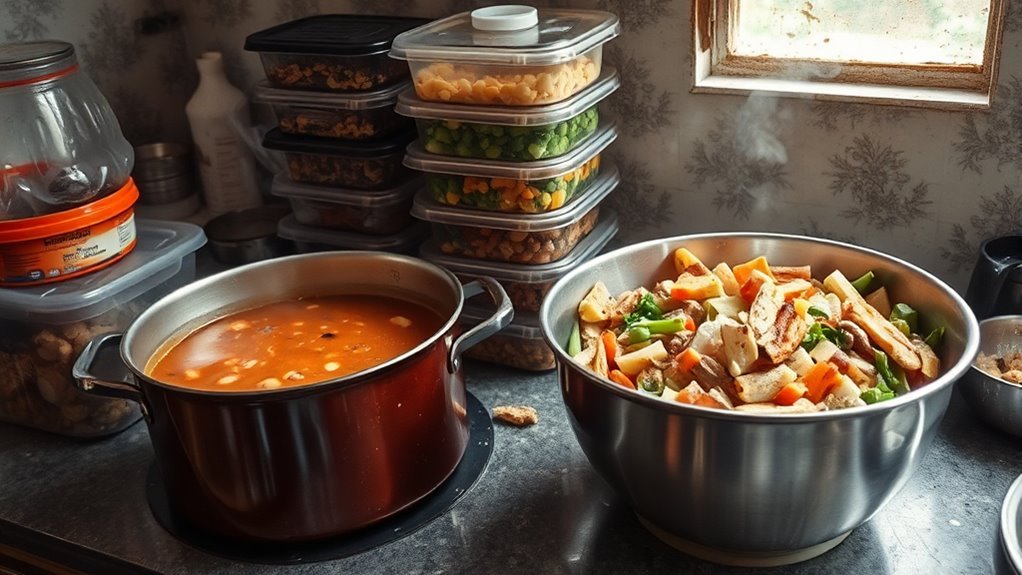
Before refrigerating, you should cool food quickly by spreading it into shallow containers no deeper than 5 cm. This helps it chill faster and limits the time spent in the 5°C–63°C danger zone where bacteria thrive.
Don’t put hot food straight into the fridge, as it can raise the internal temperature and cause condensation that promotes bacterial growth. Instead, use rapid cooling methods like splitting large portions, placing containers in an ice bath, or using blast chillers if you have them.
Always follow the “2-hour rule”: don’t leave cooked food sitting at room temperature for more than 2 hours before starting the cooling process. Once cooled below 8°C, cover and refrigerate promptly. And try to avoid frequently opening the fridge to keep temperatures consistently low.
Avoid Leaving Food Out Too Long
You shouldn’t leave perishable food in the danger zone between 5°C and 63°C, where bacteria multiply quickly.
Keep food out of this range by refrigerating it within 2 hours—or just 1 hour if it’s very hot outside.
Using a food thermometer can help you ensure your food stays at safe temperatures.
Danger Zone Temperatures
When food stays between 5°C and 63°C for more than 2 hours, bacteria multiply rapidly, creating a serious health risk. This temperature range, known as the “danger zone,” allows harmful bacteria to grow much faster than when food is kept below 8°C.
To keep food safe, you should refrigerate leftovers and prepared dishes promptly, ensuring they cool quickly. Use a food thermometer to confirm food temperature before storing it in the fridge.
Time Limits for Food
No more than two hours should pass before you refrigerate perishable food, or just one hour if the room temperature hits around 32°C. Bacteria multiply rapidly in the “danger zone” between 5°C and 63°C, making food unsafe even if it looks fine.
Chilling food below 8°C slows bacterial growth but won’t undo damage from time spent at room temperature. Don’t rely on reheating to fix food left out too long—some bacteria produce heat-resistant toxins.
To keep your food safe:
- Refrigerate leftovers promptly, ideally within two hours.
- Avoid leaving food out during hot days over 32°C for more than one hour.
- Never taste food that’s been sitting too long to check safety.
- Store perishable items in shallow containers to cool quickly.
Prevent Cross-Contamination Between Raw and Cooked Foods

You should always use separate cutting boards and utensils for raw and cooked foods to stop bacteria from spreading.
Keep raw meat stored below cooked items to prevent juices from dripping onto them.
After handling raw food, wash and disinfect all surfaces and tools before moving on to cooked dishes.
Separate Utensils And Boards
Since raw and cooked foods carry different levels of bacteria, you must use separate utensils and cutting boards to prevent cross-contamination. Using the same tools for raw meat and ready-to-eat foods can transfer harmful bacteria, leading to foodborne illness.
Keep your kitchen safe by following these simple steps:
- Use separate cutting boards, knives, and utensils for raw meat/fish and for ready-to-eat foods like salads or cooked meats.
- Wash all utensils and boards thoroughly with hot, soapy water after handling raw foods before reuse.
- Consider color-coded equipment (e.g., red for raw meat, green or blue for ready-to-eat) to avoid mix-ups.
- Never place cooked food on plates or trays that held raw meat, even if they look clean.
These steps help you maintain proper hygiene and food safety. It’s easier than you think!
Prevent Surface Cross-Contamination
When handling raw meat, poultry, or seafood, always keep them separate from ready-to-eat foods like salads and cooked dishes. This helps prevent harmful bacteria from spreading.
Use different cutting boards, plates, and utensils for raw and cooked foods. Make sure to wash them thoroughly with hot, soapy water after each use.
Never reuse the same tongs, knives, or spoons that touched raw items without cleaning them first. It’s a simple step that makes a big difference.
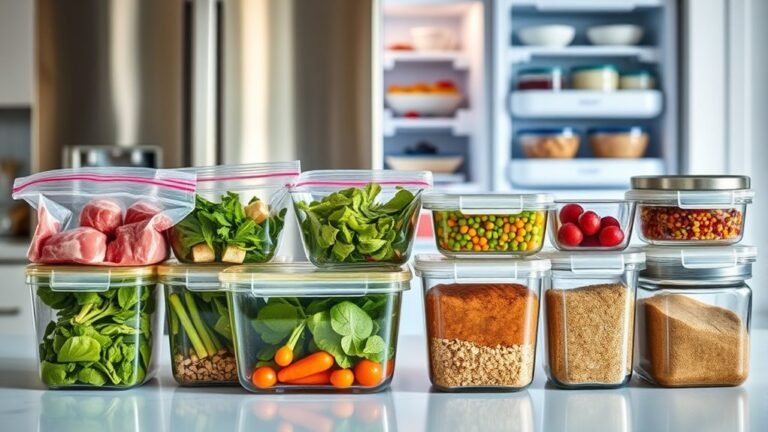
Store raw foods on the bottom shelf in sealed containers. This stops juices from dripping onto other foods.
Wash your hands and any surfaces that contact raw foods before touching cooked or ready-to-eat items.
Why You Should Not Wash Meat and Poultry
Although it might seem like rinsing raw meat and poultry removes bacteria, it actually spreads germs onto sinks, countertops, and utensils. Washing doesn’t eliminate harmful bacteria like Salmonella or Campylobacter; cooking to the right temperature does.
Rinsing raw meat spreads bacteria; proper cooking, not washing, kills harmful germs like Salmonella and Campylobacter.
When you rinse meat, water splashes can contaminate surfaces and other foods. This increases the risk of cross-contamination.
To stay safe, follow these tips:
- Keep raw meat sealed and separate from other foods.
- Use separate cutting boards and utensils for meat.
Cook meat thoroughly with a food thermometer. Clean and disinfect all surfaces and wash your hands after handling raw meat.
Avoid washing meat altogether to prevent spreading bacteria in your kitchen. It’s a simple step that can make a big difference!
Properly Washing Fruits and Vegetables
To keep your fruits and vegetables safe, always wash them under running potable water, even if you plan to peel them. Contamination on the surface can transfer inside when you cut.
Visually clean produce might still harbor unseen microorganisms and residues. Rinse thoroughly, especially for items eaten raw like leafy greens and berries, to remove dirt and potential pathogens.
For firm produce such as melons, use a clean produce brush to scrub surfaces. And don’t forget to wash the brush after each use to avoid spreading contamination.
Don’t rely on disinfectants instead of washing. If you do use them, only choose approved methods and follow package instructions carefully to prevent unsafe residue.
Proper washing is essential for reducing foodborne illness risks and keeping your produce safe to eat. So, take a little extra time—it’s worth it!
Replace and Sanitize Cloths and Sponges Regularly
Since cloths and sponges can harbor harmful bacteria even if they look clean, you need to replace and sanitize them regularly to keep your kitchen safe. Using the same cloth all week increases cross-contamination risks, so rotating multiple cloths helps maintain cleanliness.
Always wash cloths and sponges with hot, soapy water, disinfect them, and dry thoroughly to prevent bacterial growth in moisture. If they smell, feel slimy, or are used for raw meat juices, sanitize immediately or replace them.
Use disposable cloths when possible to minimize bacteria buildup. Rotate cloths frequently, laundering after each use.
Disinfect cloths and sponges between uses to kill microbes. Replace any cloth or sponge showing signs of contamination or damage.
Wash Your Hands Properly During Food Preparation
Keeping cloths and sponges clean helps reduce bacteria in your kitchen, but hand hygiene plays an equally important role during food preparation. You should wash your hands with soap and warm water for at least 20 seconds, especially after handling raw meat, using the bathroom, or touching anything that might contaminate food.
Make sure to clean your hands between every step, like after chopping raw ingredients and before touching ready-to-eat items. Always wash your hands after touching the fridge or food containers since cold surfaces can carry bacteria.
Use hot, soapy water when handling knives, boards, or utensils used for meat. And don’t forget to wash again before switching to cooked or ready-to-eat foods.
If you have cuts or sores, cover them securely and wash your hands thoroughly before and after touching the area. It’s just an extra step to keep everything safe and clean.
Frequently Asked Questions
What Are the Potential Hazards Associated With Poor Food Storage Practices?
You risk foodborne illnesses, bacterial growth, and cross-contamination if you store food improperly. Leaving foods in the danger zone, mixing raw and ready-to-eat items, or failing to cover and separate them can make you sick.
It’s pretty important to keep food at the right temperature and store different types of food separately. Otherwise, harmful bacteria can multiply quickly, and that’s when things get risky. So, always make sure to handle and store your food with care!
Which One of the Following Methods Is Not Acceptable for Handling Ready-To-Eat Foods?
Imagine inviting guests with muddy shoes—you wouldn’t, right? So, you shouldn’t handle ready-to-eat foods with the same utensils or gloves used for raw meat.
That method spreads contamination and isn’t acceptable at all. It’s just like bringing dirt inside your clean home. Keep things separate to keep food safe!
Which of the Following Food Storage Container Materials Are Acceptable?
You should use food-grade glass, stainless steel, and BPA-free plastic labeled “food safe” for proper storage.
Also, food-grade silicone rated for high temperatures works well. Avoid unknown or damaged containers to keep food safe.
It’s always better to be cautious with what you store your food in. Using the right materials helps keep your food fresh and healthy.
What Should You Not Do in Order to Ensure Food Is Prepared in a Sanitary Manner?
You shouldn’t leave food out too long, mix raw and cooked items, or wash raw meat.
Also, skipping handwashing or cooling leftovers slowly is a big no-no.
Avoid these to keep your food prep sanitary and reduce bacteria growth and cross-contamination risks.
Conclusion
Now that you know these food storage no-nos, you’ll keep your kitchen safer than a knight guarding a castle. Don’t leave food out too long or risk a bacterial siege. Always separate raw and cooked items to avoid contamination battles.
Skip washing meat—old wisdom says it spreads germs, not cleans them. Remember to wash fruits, swap out your sponges often, and scrub your hands well.
Follow these tips, and your food will stay fresher and safer every time! Proper food storage procedures are key to preventing spoilage and foodborne illnesses. Avoiding improper food storage keeps your kitchen hygienic and your meals delicious. Stick to safe food storage habits, and you’ll enjoy healthier, safer eating every day!