Why Is a Dog Food Storage Container Necessary?
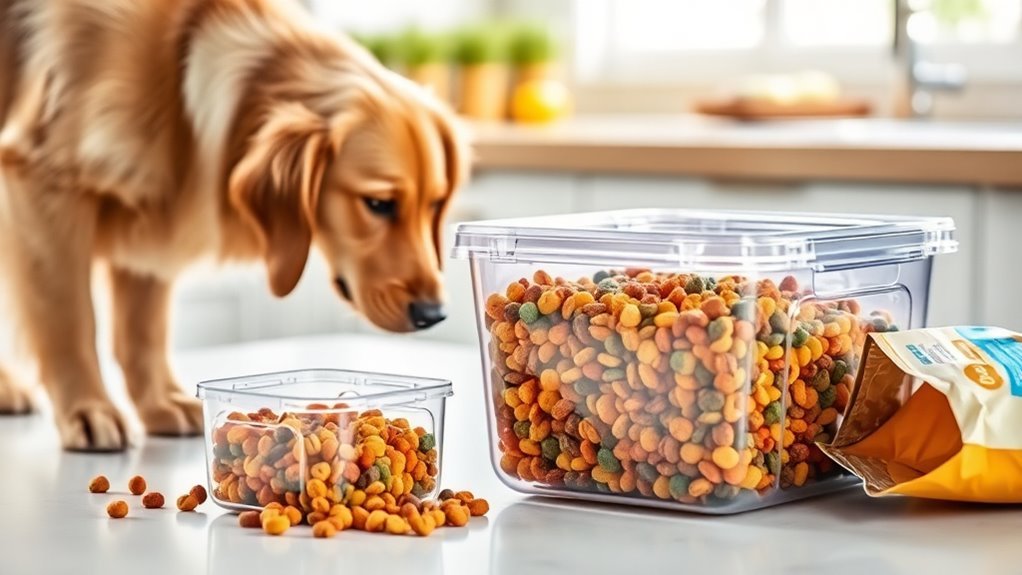
You need a high-quality dog food storage container to keep your dog’s food fresh, secure, and flavorful. These containers are essential because they protect the food from oxygen, moisture, pests, and contaminants that cause spoilage, rancidity, and nutrient loss.
Using airtight, pest-resistant containers helps maintain the nutritional value of your dog’s food and prevents harmful mold or bacteria from growing.
Choosing the right material for your container is important too. Plus, cleaning your container regularly ensures your dog’s food stays safe and tasty.
If you want to guarantee your pet enjoys wholesome food every time, understanding these details can really help. It’s all about keeping your furry friend healthy and happy!
Key Takeaways
- A storage container limits oxygen exposure, which helps prevent fat oxidation and nutrient loss in dog food.
- Airtight containers keep kibble safe from pests, mold, and bacteria contamination.
- Using proper containers also helps maintain freshness by stopping rancidity caused by heat, moisture, and sunlight.
- Plus, a sealed container avoids leftover oils from contaminating fresh food and cuts down on unpleasant odors.
- Cleanable, pest-proof containers make sure your dog’s food stays hygienic and don’t spoil between refills.
Why Proper Dog Food Storage Matters for Freshness and Safety

Although you might think storing dog food is simple, proper storage plays a key role in keeping it fresh and safe. When you open dry pet food, it starts oxidizing, which lowers its nutritional value within about three weeks—even if you transfer it to a bin.
Proper storage is crucial as dry dog food begins losing nutrients within weeks of opening due to oxidation.
Exposure to oxygen causes fats and oils in kibble to become rancid. Plus, leftover oils in containers can contaminate fresh food.
You should keep the food at room temperature, away from heat, direct sunlight, and humidity. Warm or moist spots speed up spoilage, so it’s best to avoid them.
Storing food off the floor on a shelf also prevents rodents and bugs from getting to it. And keeping dry pet food in its original packaging helps maintain freshness thanks to its nutrient-protective lining and tracking details.
Honestly, this makes it safer than just moving it to other containers.
Why Original Packaging Beats Decanting Dog Food

When you keep dog food in its original packaging, you secure essential nutrients and flavors better than by transferring it to other containers. Original bags have special linings that lock in fats and flavor, something generic storage containers often can’t match.
Plus, the packaging carries lot numbers and expiration dates, helping you track freshness easily. When you decant food, leftover oils can cling to storage containers, risking rancid tastes that your dog won’t like.
Many containers also absorb odors or leak, which can spoil the food’s appeal. Even with bins, once exposed to oxygen, the food’s nutritional quality drops considerably after about three weeks.
Keeping dog food in its original bag ensures your pet gets the freshest, most nutritious meals without unnecessary risks. It really is the easiest way to keep your dog’s food tasting great and staying healthy.
Best Materials for Dog Food Storage Containers: Pros and Cons

Keeping dog food in its original packaging is often most effective for preserving freshness, but sometimes you might want or need to use a storage container. Choosing the right material helps maintain quality and safety.
Keeping dog food in original packaging is best for freshness, but choosing the right container can also protect quality.
Here’s a quick look at your options:
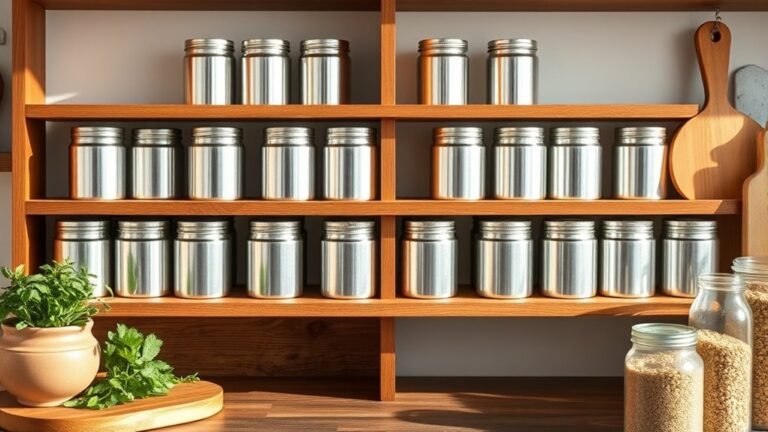
- Stainless steel: Durable and flavor-neutral, but make sure it’s airtight to limit oxygen exposure.
- Glass: Doesn’t affect scent or taste; keep it away from direct light to protect nutrients.
- Plastic bins: Convenient but may raise BPA concerns and risk rancidity from oils.
- Plastic risks: Can harbor mites, mold, and bacteria if not cleaned and dried properly.
Always pick airtight containers and clean them thoroughly between refills to keep your dog’s food fresh and nutritious for up to three weeks.
How Plastic Containers Can Harm Dog Food Quality and Safety
Since plastic containers often retain fats and oils from dog food, they can cause rancidity that contaminates fresh batches stored afterward. When you store food in plastic, leftover oils settle on the container’s bottom and sides, turning rancid and spoiling new food.
Plus, even sealed plastic bins expose food to oxygen, leading to oxidation and nutritional loss within three weeks. Many plastic containers contain BPA, an endocrine disruptor that can mimic estrogen, raising health concerns for your pet.
Plastic also encourages storage mites, mold, and bacteria, which might cause vomiting or diarrhea. On top of that, plastic can leak scents or taint flavors, making food less appealing to your dog.
Considering these risks, plastic containers might harm dog food quality and safety more than you expect. So, it’s worth thinking twice before using them for your furry friend’s meals.
How to Prevent Pests When Storing Dog Food
Although pests can be a common problem with dog food storage, you can greatly reduce their presence by choosing the right location and container. Start by storing dog food on a pantry shelf instead of the floor to limit rodent and bug access.
Whenever possible, keep food in its original packaging, as the sealed design helps protect against pests. If you transfer food to another container, make sure it’s airtight and pest-proof, and always seal it properly.
Also, clean and dry storage bins thoroughly between refills to prevent contamination and deter pests.
- Store dog food off the floor on pantry shelves
- Retain original packaging for added protection
- Use airtight, pest-proof containers when decanting
- Wash and dry bins between refills to avoid buildup
Why Temperature and Humidity Matter for Dog Food Storage
You need to keep your dog food in a cool, dry place to maintain its freshness and prevent nutrient loss. High temperatures and humidity can speed up spoilage and cause mold or rancidity.
Temperature Effects On Freshness
When you store dry dog food in a cool, stable environment, you help preserve its nutrients and freshness much longer. Heat speeds up nutrient degradation and accelerates freshness loss, so avoid placing food near radiators, vents, or in warm areas like garages.
Fluctuating temperatures and direct sunlight can alter the food’s properties, making it less appealing and lowering its nutritional value. Oxygen exposure also quickens nutrient loss, so keeping the food sealed and away from heat is important.
Consider these points for ideal temperature storage:
- Store dog food in a cool pantry or cupboard.
- Avoid warm spots like laundry rooms or near heating sources.
- Protect food from direct sunlight and temperature swings.
- Keep containers airtight to minimize oxidation and nutrient loss.
Humidity Impact On Quality
Because humidity interacts closely with temperature, it plays a crucial role in maintaining your dog food’s quality. Storing food in damp or warm spots speeds up spoilage and nutrient loss.
Moisture encourages mold growth and accelerates oxidation once the bag is opened. Keeping your dog’s kibble in a cool, dry place reduces these risks and extends freshness.
Avoid spots near radiators, vents, or direct sunlight. A proper storage container controls humidity and shields food from environmental damage.
| Storage Condition | Impact on Dog Food | Recommended Action |
|---|---|---|
| High humidity | Mold, spoilage | Use airtight container |
| Near heat sources | Faster degradation | Store in cool, shaded area |
| Direct sunlight | Nutrient loss | Avoid exposure |
| Damp areas | Odor, texture change | Keep dry |
| Opened bags + moisture | Oxidation, quality drop | Seal tightly, control humidity |
Avoiding Nutrient Degradation
Although many pet owners store dog food with good intentions, failing to control temperature and humidity can quickly degrade its nutritional value. Heat and moisture speed up nutrient breakdown, causing fats and oils to become rancid and lowering overall quality.
Even open kibble loses nutrients after just a few weeks of oxygen exposure. So, to keep your dog’s food fresh and nutritious, you need to manage where and how you store it.
Consider these key points:
- Avoid placing food near heat sources like radiators or vents
- Keep storage areas cool, dry, and away from direct sunlight
- Use airtight containers to limit oxygen exposure
- Maintain stable room temperature and low humidity levels
How to Clean and Maintain Dog Food Storage Containers
To keep your dog’s food fresh and safe, you need to clean storage containers thoroughly between refills. Wash reusable bins with warm water and quality dish detergent, rinse well, and let them dry completely before adding new food. This removes fats and oils that settle and can become rancid, preventing contamination.
Always keep containers sealed and pest-proof to avoid storage mites, mold, and bacteria that might cause your dog to vomit or have diarrhea. If you decant into plastic bins, make sure they’re airtight and designed for food storage to prevent odors and chemical risks.
Regular cleaning and proper sealing protect your dog’s food from spoilage and health hazards. This way, it stays nutritious and safe for your pet.
Quick Tips for Keeping Your Dog’s Food Fresh Longer
To keep your dog’s food fresh longer, store it properly in its original packaging or a sealed container. Place it on a shelf away from heat and moisture.
Try to avoid plastic containers since they can trap oils and cause rancidity. Also, make sure to prevent pest access by keeping storage areas clean and elevated. This way, your pup’s food stays fresh and tasty!
Store Food Properly
When you store your dog’s dry kibble, it’s best to keep it in its original bag with the lot number and expiration date still on it. This helps preserve the nutrients and flavor. Always place the bag on a pantry shelf at room temperature—this keeps the food fresh and limits pest access.
Try to avoid transferring kibble to random containers. Oxygen exposure can reduce nutritional value after about three weeks. But if you do use a container, make sure it’s airtight and pest-proof, specifically rated for pet food.
Also, keep the container away from heat and sunlight to prevent spoilage. Store kibble off the floor too—that way, you deter rodents and bugs.
Use airtight containers designed just for pet food. Keep your storage areas cool, dry, and away from sunlight for the best results. And don’t forget to clean and dry any reusable bins thoroughly between uses!
Avoid Plastic Containers
You might be tempted to transfer your dog’s kibble into plastic containers for convenience, but it’s best to steer clear of most plastic bins. Fats and oils in the kibble can settle on the container’s sides and bottom, turning rancid and contaminating fresh food.
Flimsy plastics often absorb or leak odors, which can make the food less appealing to your pet. Some polycarbonate plastics also raise concerns about BPA, a chemical that can disrupt hormones.
To keep your dog’s food fresher longer, store it on a shelf in its original packaging, sealed at room temperature. If you must decant, choose airtight, pest-proof containers from pet stores, and wash them thoroughly with warm water and detergent between uses, rinsing and drying completely to prevent contamination.
Prevent Pest Access
Keeping pests away from your dog’s food is essential for maintaining its freshness and safety. You want to make it tough for rodents, bugs, and other critters to get in.
Start by storing food off the floor on a shelf to limit access. Keep dry food in its original bag and seal it tightly to block pests and lock in freshness.
Avoid placing food near heat or moisture sources, which attract pests and speed spoilage. When using a container, pick one that’s airtight and pest-proof, not just loosely covered.
Always wash containers thoroughly between refills to remove any tempting residues. It really helps keep those pesky pests at bay.
- Store food on a shelf, not the floor
- Seal original packaging tightly
- Avoid warm, humid, or sunlit spots
- Use airtight, pest-proof containers
Frequently Asked Questions
What Type of Container Should Dog Food Be Stored In?
You should store dog food in an airtight, pest-proof container made of stainless steel or opaque glass to protect nutrients and flavor. This helps keep the food fresh and tasty for your furry friend.
Avoid plastic bins. Also, keep the container on a pantry shelf away from heat and sunlight to maintain the quality. It’s all about keeping the food safe and nutritious!
Why Do Dogs Need Dog Food?
You need dog food because it provides your dog with essential nutrients and energy that leftovers can’t.
Proper dog food supports their health, growth, and daily functions. It helps ensure they stay strong, active, and well-nourished every day.
What Foods Are Safe to Store in the Garage?
Think of your garage as a tricky dance floor—only dry kibble in its original bag can groove safely there.
Avoid wet or canned foods; they can’t handle humidity and temperature swings like dry food can.
Seriously, those moisture-loving foods will spoil faster if left out where it’s not climate-controlled.
Why Are Pet Containers Preferred to Store Food Items?
You’ll prefer pet containers because they’re airtight, pest-proof, and designed to keep food fresh longer. They protect against moisture, odors, and contaminants.
This means your pet’s food stays safe, nutritious, and tasty for every meal. Plus, it’s just easier to manage when you know the food is well-protected.
Conclusion
You wouldn’t want your dog eating stale or spoiled food, right? Using the right storage container isn’t just about convenience—it’s about preserving freshness, safety, and taste.
Remember, the container you choose can either protect or harm your dog’s food quality. So, don’t leave your furry friend’s meals to chance; invest in proper storage, keep pests away, and maintain the perfect environment.
After all, a happy dog starts with fresh food! Choosing the best dog food storage container ensures your pet’s meals stay fresh longer, free from contaminants and pests. It helps maintain the food’s nutritional value and flavor, keeping your dog healthy and satisfied. Proper dog food storage is a small effort that makes a big difference in your dog’s wellbeing and happiness.