
Why Is Food Preparation and Storage Important for Health?
You safeguard yourself and your family by preparing and storing food safely to stop harmful bacteria from growing. Proper food preparation and storage are essential for good health because they help prevent foodborne illnesses that can make you very sick.
Keeping your fridge at 40°F or below and refrigerating leftovers within two hours cuts the risk of foodborne illness.
Sorting raw meat on the lowest shelves and labeling leftovers helps maintain freshness and safety.
Knowing how to manage food properly and recognizing spoilage ensures healthier meals.
There’s more to discover about preventing illness and preserving food quality.
Taking these simple steps really makes a difference in keeping your meals safe and nutritious!
Key Takeaways
- Proper temperature control prevents harmful bacterial growth, reducing foodborne illness risk. It’s a simple step that makes a big difference.
- Timely refrigeration of perishable foods limits bacterial multiplication in the danger zone (40°F–140°F). Keeping food cold is key to staying safe.
- Correct storage and labeling of leftovers ensure safe consumption within recommended time frames. This way, you know exactly when to eat or toss them.
- Avoiding spoiled food and recognizing warning signs prevents ingestion of contaminated or unsafe items. Trust your senses and when in doubt, throw it out.
- Thorough reheating of leftovers to 165°F kills bacteria, ensuring food safety before eating. Heating food properly keeps you and your family protected.
Why Temperature Control Is Critical for Food Safety

Because bacteria multiply rapidly between 40°F and 140°F, you need to keep your refrigerator at or below 40°F and your freezer at 0°F or lower to prevent foodborne illness.
Proper temperature control is essential for safe food storage, as it slows bacterial growth that causes spoilage and illness. You should avoid letting food stay in the “danger zone” of 40°F to 140°F, where bacteria thrive.
Using an appliance thermometer helps you regularly monitor your fridge and freezer temperatures, ensuring food stays safe. By maintaining these temperatures, you reduce the risk of harmful bacteria growing on your leftovers, meats, and other perishables.
This simple step plays a vital role in preventing foodborne diseases and makes your food storage more effective and health-conscious. So, keeping an eye on your fridge and freezer temps really pays off!
Why the 2-Hour Rule Matters for Preventing Foodborne Illness

You can’t leave perishable foods out longer than 2 hours because bacteria multiply quickly between 40°F and 140°F.
When temperatures hit 90°F or higher, that safe window drops to just 1 hour.
Following this rule helps you prevent harmful bacterial growth and keep your food safe.
Perishable Foods Timing
Perishable foods like meat, dairy, and cut fruits demand quick attention to prevent harmful bacteria from multiplying. You shouldn’t leave these foods out at room temperature for more than 2 hours because bacteria thrive in the 40°F–140°F “danger zone.”
When the temperature hits 90°F or higher, cut that time to 1 hour to keep yourself safe. This applies to cooked foods, leftovers, and even cut fruits and vegetables.
Refrigerate them promptly to avoid foodborne illness, even if the food looks and smells fine. Better safe than sorry!
| Food Type | Max Time at <90°F | Max Time at ≥90°F |
|---|---|---|
| Meat & Poultry | 2 hours | 1 hour |
| Dairy Products | 2 hours | 1 hour |
| Cut Fruits & Veggies | 2 hours | 1 hour |
Temperature Impact Limits
When food stays too long between 40°F and 140°F, bacteria multiply rapidly, increasing your risk of foodborne illness. That’s why the 2-hour rule is critical: don’t leave perishable foods like meat, dairy, or cut fruits out at room temperature for more than 2 hours.
If it’s 90°F or hotter, cut that time to just 1 hour. This applies to cooked dishes and leftovers too, since they cool slowly and give bacteria a chance to grow.
To keep food safe, refrigerate it promptly and keep your fridge at or below 40°F. By following these temperature limits, you drastically reduce bacterial growth and protect yourself and others from potential illness.
Preventing Bacterial Growth
Because bacteria multiply fastest between 40°F and 140°F, following the 2-hour rule is essential to prevent foodborne illness. You shouldn’t leave perishable foods like meat, poultry, seafood, eggs, and dairy at room temperature for more than 2 hours.
If it’s 90°F or warmer, that safe limit drops to just 1 hour since bacteria grow faster in heat. This rule also applies to cooked foods and leftovers—don’t let them sit out too long, or harmful bacteria can multiply even after cooking.
How to Cool and Store Leftovers Safely

To keep your leftovers safe, you should refrigerate them within two hours after cooking—or within one hour if the room temperature is 90°F or higher. This quick cooling helps limit bacterial growth in the “danger zone” between 40°F and 140°F.
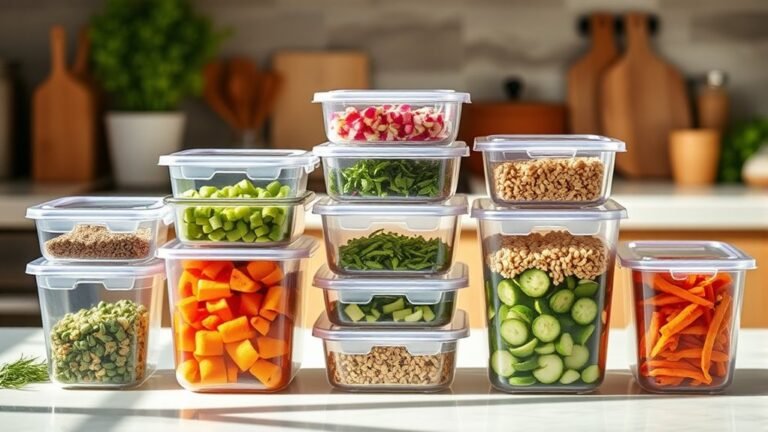
Divide large portions into smaller, shallow containers to speed up cooling in the fridge. Make sure your refrigerator stays at 40°F or below and your freezer at 0°F or below; use an appliance thermometer to check.
Always cover leftovers and label them with the date you prepared them. Aim to eat refrigerated leftovers within 3 to 4 days.
When reheating, heat leftovers to 165°F. And if you’re ever unsure how long food has been stored, it’s safer to just toss it than risk getting sick.
How to Organize Your Refrigerator for Safe Food Storage
Organizing your refrigerator properly helps keep your food safe and fresh longer. First, set your fridge to 40°F or below to prevent bacteria growth in the danger zone between 40°F and 140°F.
Store raw meat, poultry, and seafood on the lowest shelf in sealed containers to avoid drips contaminating other foods. Keep eggs in their original carton and place milk and dairy products in the coldest part of the fridge, not the door.
Use the produce drawers specifically for fruits and vegetables to maintain freshness and reduce spoilage. Arrange leftovers in shallow containers, refrigerate within two hours, and label them with the date so you can consume them safely within three to four days.
Store fruits and veggies in produce drawers and label leftovers to keep them fresh and safe.
Following these steps helps you maintain a clean, safe food environment. It’s easier than you might think, and your fridge will thank you!
What Expiration and Use-By Dates Really Mean for Food Safety
Food labels can be confusing, especially when it comes to expiration and use-by dates. “Use By” dates tell you when food should be eaten for safety, especially for meat, dairy, and baby food.
On the other hand, “Best By” dates indicate when food is at its peak quality, not necessarily when it’s unsafe. Many foods stay safe after their “Best By” date if stored properly at 40°F or below.
However, you should always check for signs of spoilage like mold, off odors, or damaged packaging. Don’t taste food to test safety.
When unsure about how long food has been stored, it’s safer to throw it away. Remember, temperature control and the 2-hour rule prevent bacterial growth that dates alone can’t predict.
How Proper Food Storage Keeps Food Fresh and Safe
Although many people overlook it, how you store your groceries greatly impacts their freshness and safety. Keep your refrigerator at 40°F (4°C) or below and your freezer at 0°F (-18°C) or below to slow bacterial growth.
Avoid leaving perishable foods in the “danger zone” between 40°F and 140°F (4°C–60°C), where bacteria multiply rapidly. Use the 2-hour rule: refrigerate leftovers within 2 hours, or 1 hour if it’s 90°F (32°C) or higher.
Store leftovers in shallow containers to cool quickly and reheat to 165°F (74°C) before eating. Place raw meats on the lowest fridge shelf to prevent drips, and keep milk and dairy in the coldest part, not the door, to maintain freshness and safety.
How Safe Food Preparation Protects Your Family
When you handle raw meat, poultry, seafood, or eggs, washing your hands with soap before and after is essential to prevent harmful bacteria from spreading to other foods.
Safe food preparation protects your family from foodborne illnesses by controlling bacteria growth and cross-contamination. You can keep your loved ones safe by following these steps:
- Cook perishable foods thoroughly and promptly to avoid the “danger zone” where bacteria multiply rapidly.
- Store raw meat, poultry, and seafood on the lowest shelf to prevent their juices from dripping onto ready-to-eat foods.
- Refrigerate leftovers within 2 hours and reheat them to 165°F to kill any bacteria.
- Keep your refrigerator at 40°F or below to slow bacterial growth and maintain food safety.
Taking these precautions ensures you protect your family’s health every time you prepare a meal. Just a few simple steps can make a big difference!
Recognizing Foodborne Illness and When to Seek Help
If you start experiencing symptoms like vomiting, diarrhea, or severe stomach cramps after a meal, you might be dealing with foodborne illness. This often happens when bacteria multiply rapidly in the danger zone between 40°F and 140°F.
To prevent this, avoid leaving perishable foods at room temperature for more than 2 hours—or just 1 hour if it’s 90°F or higher—and refrigerate promptly. Watch for warning signs like fever or blood in your stool, especially after eating leftovers not refrigerated quickly.
Seek medical help if symptoms are severe, last over 3 days, or if you experience dehydration. Young children, older adults, pregnant people, and those with weak immune systems should be especially cautious.
Get medical help if symptoms persist over 3 days or dehydration occurs; vulnerable groups must be extra cautious.
Also, don’t taste questionable food, and always reheat leftovers to 165°F before eating. It’s better to be safe than sorry!
Frequently Asked Questions
What Can You Do to Ensure Food Safety in Every Step of the Process?
You can keep your fridge cold and store raw meat below ready-to-eat foods. Refrigerate leftovers quickly to keep everything fresh and safe.
Also, avoid leaving perishables out for more than two hours. And always take a good look at your food before eating to make sure it’s safe.
These simple steps help guarantee safety every step of the way. Easy, right?
Why Is Meal Prepping Important?
Meal prepping is important because it helps you control portion sizes, reduce food waste, and save time. Plus, it keeps your meals safer by minimizing how long food sits out, lowering the risk of bacterial growth.
It’s a simple way to stay organized and make sure you’re eating just the right amount. And honestly, who doesn’t want to spend less time stressing about what to eat every day?
Why Should We Preserve Food?
You should preserve food to prevent harmful bacteria growth, slow spoilage, and extend freshness. Doing so keeps your meals safe to eat longer.
It also helps reduce waste and lowers the risk of foodborne illnesses. So, preserving food is really a smart move for both your health and your wallet!
What Temperature Kills Bacteria in Food?
You need to cook food to at least 165°F to kill harmful bacteria effectively.
While freezing at 0°F stops growth, only high cooking temperatures actually eliminate bacteria and make your food safe to eat.
Conclusion
Imagine a moment when a simple meal could turn risky—one overlooked temperature or forgotten leftover. You hold the power to protect your loved ones by mastering food prep and storage.
By controlling time, temperature, and organization, you don’t just keep food fresh—you keep your family safe. It’s all about those small habits that make a big difference.
The next time you handle food, remember: a small step now can prevent a big health scare later. Proper food preparation and storage are key to maintaining good health.
Your care in food safety can truly make all the difference. Keeping food safe means preventing contamination and avoiding foodborne illnesses, so your loved ones stay healthy and happy.