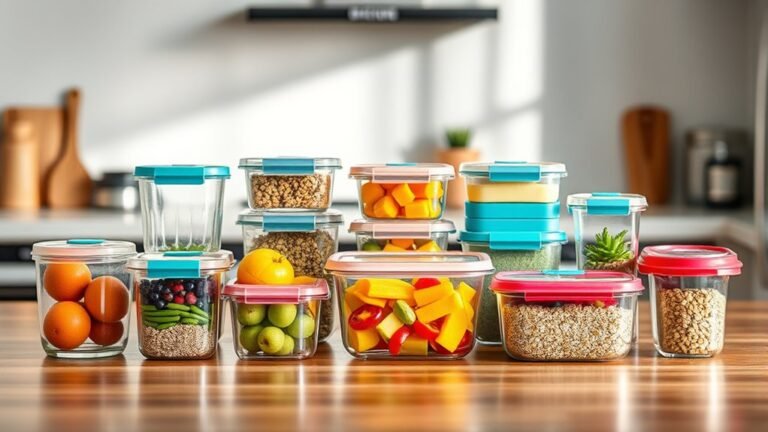

Why Does Food in Storage Need to Be Rotated?
You need to rotate food in storage because moisture, air, and microbes like mould, yeast, and bacteria grow faster on older items left unused. When food sits for too long, it’s more likely to spoil and develop unpleasant odors.
By using the oldest food first, you prevent spoilage and reduce waste caused by microbial growth. This simple habit slows decay, keeps your food fresh and safe for longer, and saves money by cutting down on tossing out bad food.
Knowing how to spot spoilage and organize your storage space well can make a big difference. It helps you make the most of your groceries and avoid problems later on. So, rotating your food isn’t just smart—it’s a great way to keep your kitchen running smoothly!
Key Takeaways
- Rotating food prevents microbial growth by limiting the time older items sit. This helps reduce mould, yeast, and bacteria development.
- Using the FIFO method means older food gets eaten first. This way, you cut down on spoilage and waste.
- Regular rotation slows down decay. It keeps your food fresher and safer for longer periods.
- When storage is organized and older items are easy to see, it’s simpler to spot signs of spoilage. This helps you use food in time before it goes bad.
- Rotation also helps reduce unpleasant odors. It avoids problems linked to advanced food decomposition.
How Moisture, Air, and Microbes Cause Food Spoilage

When moisture, air, and microbes combine, they create the perfect conditions for food to spoil quickly. You’ll notice moulds thriving in warm, dark, and slightly moist spots, often appearing as bluish-green, hair-like growth on bread, fruit, and cheese.
Moisture, air, and microbes together create ideal conditions for rapid food spoilage and mould growth.
Yeasts need air, a food source, and warmth to reproduce. They ferment sugars into alcohol and carbon dioxide, which causes fruits and vegetables to rot.
Bacteria are the first decomposers to act and are harder to detect at first. But they become obvious as they produce unpleasant odors during advanced decomposition.
Since moisture enables moulds, yeasts, and bacteria to multiply rapidly, you must be aware of how these factors work together to spoil your food. So, proper storage is essential to slow down their growth and keep your food fresh longer.
Why Rotating Food Helps Prevent Spoilage

You’ll ensure spoilage by rotating your food regularly, which stops microbes from growing on older items. Using the oldest food first ensures nothing sits long enough to develop mould, yeast, or bacteria.
This simple habit keeps your food fresher and safer to eat. It’s an easy step that really makes a difference!
Minimizes Microbial Growth
Regularly rotating your stored food helps keep microbial growth in check, especially slowing spoilage. Yeast, bacteria, and molds thrive when conditions favor their growth, so by bringing older items forward and using them first, you limit the time these microbes have to multiply.
Yeast needs air, warmth, and sugars to ferment, but reducing its window prevents fermentation. Bacteria, often the first decomposers, can grow unnoticed; rotation stops their growth before unpleasant odors develop.
Molds, like bluish-green growth on moist foods, quickly colonize items left too long. Using a “first in, first out” system shortens your food’s exposure to microbial activity, helping you avoid spoilage and keep your stored food safe and fresh longer.
Ensures Fresh Food Use
Storing your food consistently makes sure you utilize the oldest items first, which helps prevent spoilage due to molds, yeasts, and bacteria. When you rotate food, you reduce the time moisture-containing items sit, limiting mold and yeast growth that thrive in warm, damp conditions.
Older stock often shows visible signs like bluish-green mold or fermentation, and using it first keeps your supply fresher. Since bacteria spoilage often goes unnoticed until odors develop, rotating helps you avoid unpleasant surprises by consuming food before it decomposes.
Fruits, vegetables, and dairy deteriorate quickly—fruit softens and rots, veggies wilt and slime, and dairy can sour or darken. By rotating, you ensure fresher, safer food, lower waste, and enjoy better taste and quality every time you eat.
How Moulds, Yeast, and Bacteria Cause Food Spoilage

You’ll notice mould grows quickly on moist foods like bread and cheese, especially in warm, dark places. It’s kind of like the perfect environment for them to thrive.
Yeast needs air and warmth to ferment sugars, turning fruit and veggies into alcohol and gas. So, if you leave fruit out too long, that’s probably what’s happening.
Meanwhile, bacteria start breaking down food early on, but you usually only smell their effects once spoilage is well underway. It’s like they’re working behind the scenes before you even notice.
Mould Growth Conditions
When foods stay in warm, moist, and dark environments, moulds quickly take hold. They appear as bluish-green, hair-like patches on items like bread, fruit, and cheese.
Moulds thrive with moisture and limited light, which is why improperly stored foods spoil faster. They break down food by feeding on its nutrients, leading to visible decay and texture changes.
Since mould spores are everywhere, controlling the environment is key to slowing their growth. You can’t see mould’s early activity, but once it’s visible, the food is already compromised.
That’s why rotating your stored food regularly matters—it minimizes the time items remain in conditions that encourage mould development. By keeping food dry, cool, and exposed to some air circulation, you reduce mould’s chance to grow and spoil your supplies.
Yeast And Bacteria Effects
Mould isn’t the only culprit behind food spoilage—yeast and bacteria also play significant roles. You might not notice bacteria early since they’re often hidden until unpleasant odours develop.
Yeasts, always in the air, need air, warmth, and food to grow. They ferment sugars into alcohol and carbon dioxide, which quickly ruins fruits and veggies. Moisture speeds up their activity, especially in poor storage conditions.
Here’s how these microbes affect your stored food:
- Bacteria start spoilage but become obvious only after decomposition advances.
- Yeast ferments sugars, causing rapid decay in fruits and vegetables.
- Spoilage signs include sour smells in dairy and slime or mould on meat.
- Moist environments accelerate mould, yeast, and bacteria growth, making rotation essential.
Rotate food regularly to minimize these effects and keep your storage fresh.
Signs Your Food Is Spoiling and Needs to Be Used or Discarded
Keep an eye out for visible signs that your food is starting to spoil, so you can use it before it goes bad or discard it promptly. Mold appears as bluish-green, fuzzy patches on bread, cheese, or fruit, especially in warm, damp places.
If fruit or vegetables start fermenting, producing bubbles or an alcoholic smell, yeast may be at work. Bacterial spoilage is trickier to spot early but often causes unpleasant odors as decomposition progresses.
Spoiled fruit becomes soft, dark, and rots quickly, while vegetables wilt, turn slimy, and decay. Dairy products and eggs show clear changes too—dairy develops sour or foul smells and darker colors, and eggs darken with an off-putting aroma.
Recognizing these signs helps you avoid food waste and keep your kitchen safe. So, it’s worth paying attention to how your food looks and smells!
How Rotating Food Keeps Your Kitchen Fresh and Safe
Although food spoilage can suddenly creep up on you, rotating your stored items makes sure you use older products before they decay. This simple habit keeps your kitchen fresh and safe by limiting the growth of mould, yeasts, and bacteria that cause unpleasant smells and food waste.
When you rotate food regularly, you:
- Use older items first, reducing time for spoilage organisms to grow.
- Prevent yeasts from fermenting fruits and vegetables by minimizing exposure to air and warmth.
- Stop bacteria from reaching advanced decomposition stages that produce bad odours.
- Avoid finding mouldy bread or sour, discoloured dairy by maintaining fresh stock flow.
Best Practices for Rotating Different Types of Food
To maintain freshness and safety, you need to handle each type of food according to how quickly it spoils and the conditions that speed up its decay. Rotate fruit and vegetables regularly to prevent yeasts and moulds that cause soft spots and slimy patches.
Bread and fruit require prompt rotation since mould spreads quickly as bluish-green fuzz. Cheese and dairy spoil faster in warm, dark, moist areas, so rotate them often to avoid sour smells and darkening.
Eggs need a “use first” approach because deterioration shows as darker color and foul aroma before mould appears. Meat demands strict rotation since bacteria start decomposition early, leading to off odors, slime, and eventual mould.
Following these targeted practices helps you keep your food fresh and safe longer. It’s a simple way to make sure nothing goes to waste or causes you trouble later on.
Storage Tips to Simplify Food Rotation
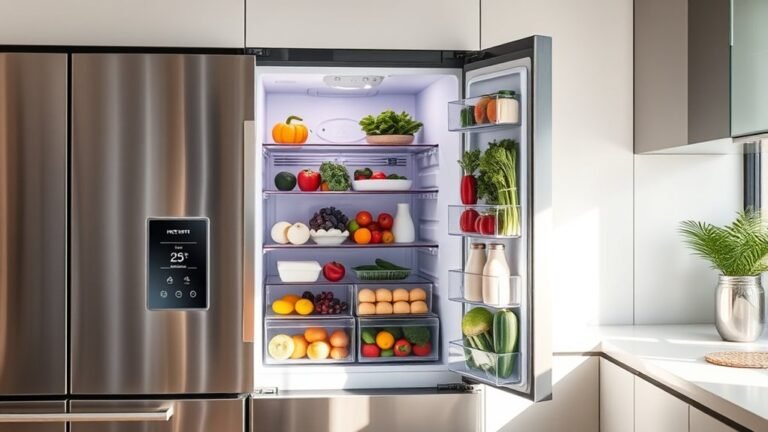
When you organize your storage thoughtfully, rotating food becomes much easier and more effective. You’ll reduce spoilage by placing new items behind older ones, following the “first in, first out” rule.
Here are four tips to simplify rotation:
- Label containers with purchase or open dates to track freshness easily.
- Store fruits and vegetables in cool, ventilated areas to slow fermentation and rotting.
- Keep dairy, eggs, and meats separate, checking regularly for sour smells, slime, or discoloration.
- Arrange moist foods so older stock is visible and accessible, helping you spot early signs of mold or spoilage.
How Regular Rotation Saves Money and Reduces Waste
By following simple rotation practices, you cut down on food spoilage and keep your pantry stocked with fresh items. Using the FIFO method ensures you use older products first, preventing mould, yeast, and bacteria from ruining your food.
You’ll notice changes like darkened fruit or sour dairy before they go bad, so rotating helps you consume items at their best. This reduces the chance of food reaching advanced decay that causes unpleasant odors and leads to tossing it out.
Consistent rotation also saves you money by minimizing waste and maintaining a steady supply of usable food. Foods prone to spoilage, like bread and produce, benefit greatly from this practice.
It’s a great way to reduce household food waste and stretch your grocery budget further.
Frequently Asked Questions
Why Should Food Be Refrigerated?
You should refrigerate food to slow down mould, yeast, and bacterial growth. Keeping food cold helps prevent spoilage, off smells, and fermentation.
This way, you preserve its freshness, colour, and safety for longer. It really makes a difference in keeping your food good to eat!
What Can Happen if Food Is Not Stored Correctly?
If you don’t store food correctly, bacteria, mould, and yeast can grow rapidly, causing spoilage, unpleasant odors, and unsafe conditions.
This can lead to wasted food and potential health risks from consuming spoiled items.
Which Methods of Food Storage Are Correct?
Want your fridge to double as a science lab? Don’t store food right.
Instead, keep bread, fruit, and cheese cool, dry, and sealed. Toss veggies in crispers to avoid turning your kitchen into a mold museum.
Why Should Cooked and Uncooked Food Be Stored Separately?
You should store cooked and uncooked food separately because raw food can spread bacteria and molds to ready-to-eat items. This risks contamination and spoilage before any signs or smells appear.
Keeping your meals safer to eat is the main goal here. So, separating them helps avoid any nasty surprises. It’s a simple step that makes a big difference in food safety.
Conclusion
When you rotate your food, you’re not just moving cans and jars—you’re steering clear of the silent army of spoilage waiting in the shadows. Like a careful gardener tending to plants, you give your food the best chance to stay fresh, safe, and tasty.
So, keep your kitchen’s rhythm flowing, and watch how regular rotation saves you money, cuts waste, and keeps every meal a fresh delight. Don’t let your food’s story end in spoilage—rotate with care!
Rotating food in storage is key to maintaining freshness and preventing spoilage. By using older items first and placing new ones behind, you ensure nothing gets forgotten and goes bad. This simple habit not only saves money by reducing waste but also keeps your meals delicious and safe to eat.
In short, food rotation is an easy way to protect your pantry, minimize food waste, and enjoy fresh, tasty meals every day. It’s all about working smarter, not harder, to keep your food storage organized and efficient.