What Is Safe Food Storage and Why Does It Matter?
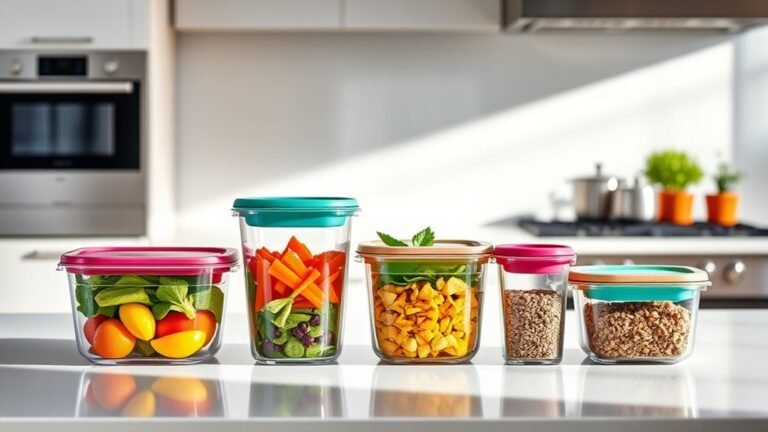
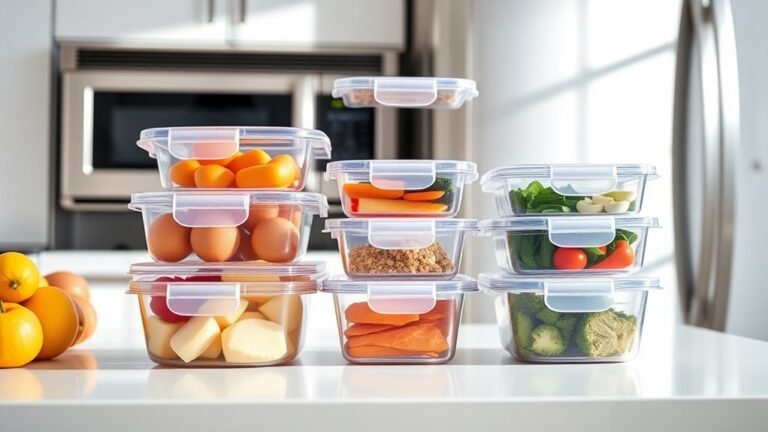
Safe food storage means keeping your food at the right temperatures—below 40°F in the fridge and 0°F in the freezer—to slow bacteria growth and avoid spoilage. Using airtight containers is key to preventing contamination.
Plus, keeping raw foods separate from ready-to-eat items helps keep everything safe.
Following these simple steps protects your health and reduces waste. If you want to guarantee your meals stay fresh and safe longer, there’s more to explore about proper food handling and storage techniques. It’s all about making sure your food stays delicious and safe every time you eat.
Key Takeaways
- Safe food storage means keeping food at the right temperatures to slow down bacterial growth. This helps prevent foodborne illnesses.
- Using airtight containers is key. Also, make sure to keep raw foods separate from cooked ones to avoid contamination and keep food quality high.
- It’s a good idea to regularly check your food for spoilage. Don’t forget to look at expiration dates, so you only eat safe foods.
- Keep your fridge at 40°F or below and your freezer at 0°F. This helps keep food fresh and safe for longer.
- Handling, packaging, and labeling food properly can really cut down on cross-contamination and spoilage. It’s all about keeping things clean and organized!
Principles of Safe Food Storage
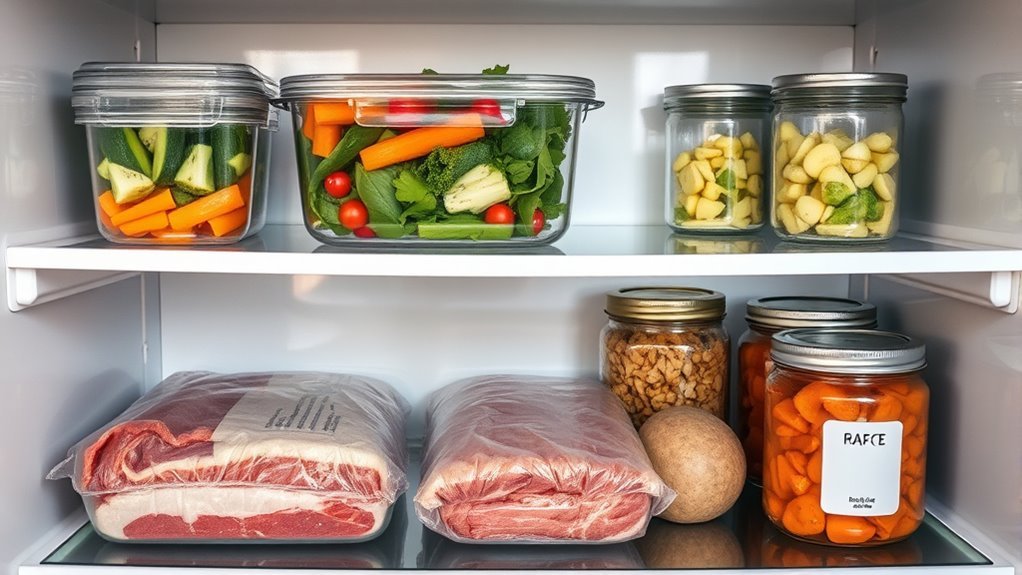
Although it might seem simple, following the principles of safe food storage is essential to keep your food fresh and prevent illness. You’ll want to maintain proper temperatures—40°F or below in the refrigerator and 0°F in the freezer—to slow bacterial growth.
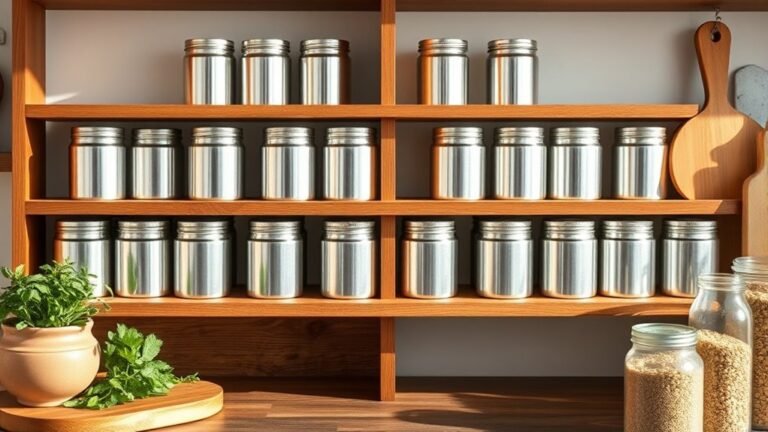
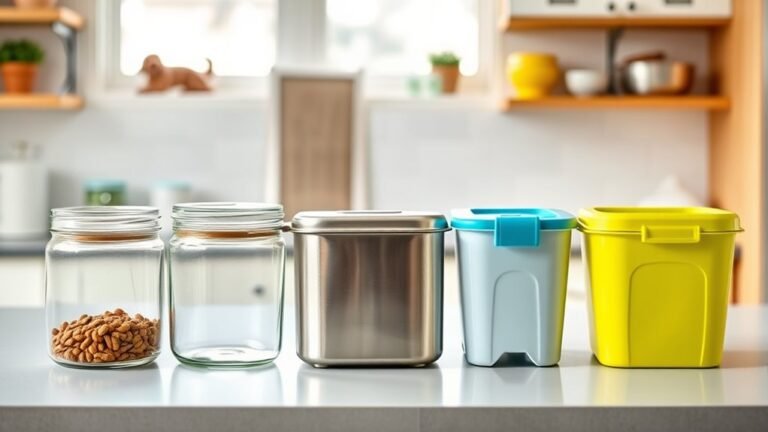
Use airtight packaging and suitable storage containers to avoid spoilage and contamination. Make sure to separate raw foods from cooked or ready-to-eat items to minimize cross-contamination risks.
Keep an eye on expiration dates and inspect foods regularly for signs of spoilage, so you don’t consume unsafe items. Practicing refrigerator safety and maintaining the right freezer temperature help preserve food freshness longer.
The Importance of Proper Food Handling
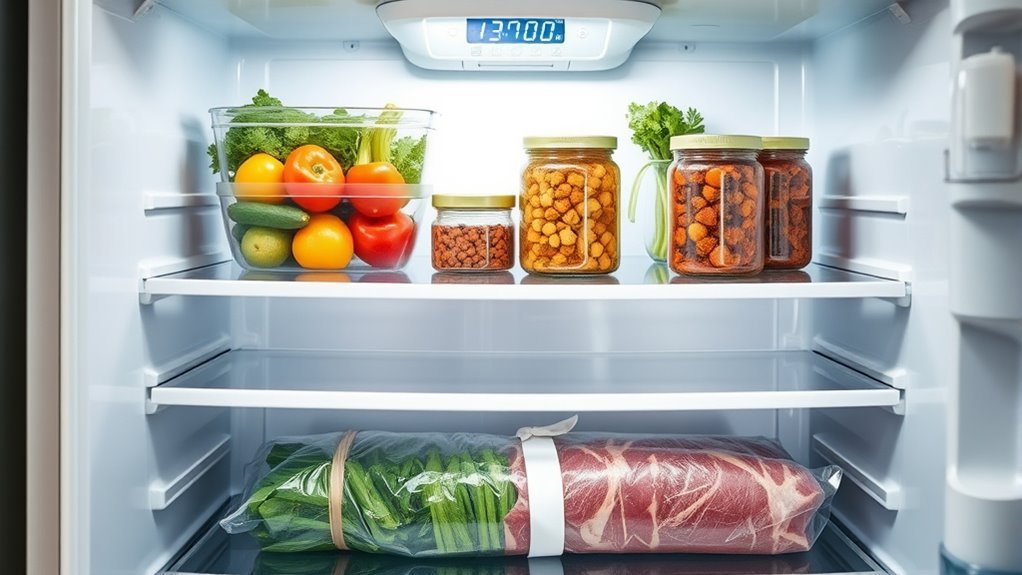
Keeping your food stored safely is just one part of preventing foodborne illness—you also need to handle it properly. Proper handling is essential for food safety and spoilage prevention.
Safe food storage matters, but proper handling is key to preventing illness and spoilage.
Follow these steps:
- Wash your hands, surfaces, and utensils thoroughly to avoid cross-contamination, especially after touching raw meats.
- Keep raw meats separate from ready-to-eat foods to reduce risks of foodborne illnesses like Salmonella.
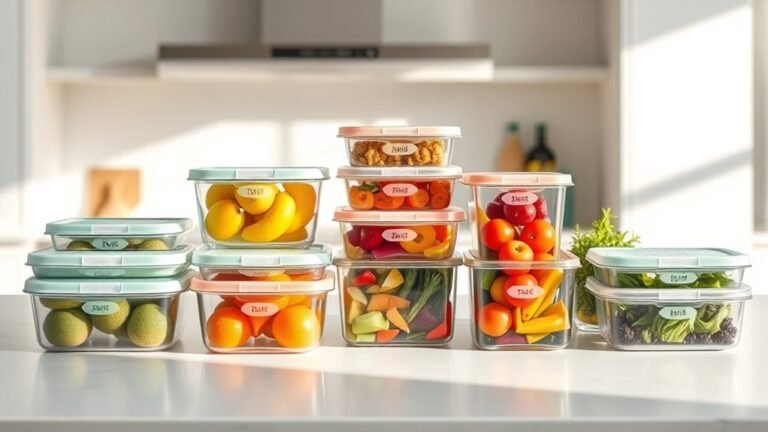
- Use airtight, leakproof storage containers and label them to maintain quality during refrigerator storage and freezing.
- Reheat leftovers to at least 165°F to kill harmful bacteria and guarantee safe consumption.
Frequently Asked Questions
What Two Foods Never Expire?
Honey and white rice never expire if you store them properly. Their low moisture and natural properties keep bacteria and mold away.
Just keep them sealed, dry, and cool. And hey, always check them before you use them, just to be safe.
What Foods Should Never Be Refrigerated?
Tomatoes, potatoes, and peaches prefer pantry peace, not cold confines. Bananas, bread, and bulbs like onions and garlic also avoid the fridge’s frost.
Refrigerate only after ripening or if spoilage’s a serious threat. It’s all about keeping them fresh and tasty for longer!
What Are the 7 Important Things to Keep Food Safe?
You should keep hot foods above 140°F and cold foods below 40°F. It’s really important to store raw meat separately to avoid any cross-contamination.
Using airtight containers helps keep your food fresh. Also, always follow storage times to make sure you’re eating food while it’s still safe.
Don’t forget to discard spoiled foods—they can cause food poisoning. And keep your fridge clean with regular temperature checks to maintain a safe environment for your food.
What Is the Safest Storage for Food?
The safest storage for food is keeping perishables at or below 40°F in the fridge, freezing at 0°F, using airtight containers, placing raw meats on the lowest shelf, and storing dry goods in a cool, dry place.
You want to make sure your fridge is at the right temperature to slow down bacteria growth. Freezing food at 0°F helps preserve it for longer periods.
Also, airtight containers are your best friend—they keep moisture and pests out. And when it comes to raw meats, always place them on the lowest shelf to prevent any drips from contaminating other foods.
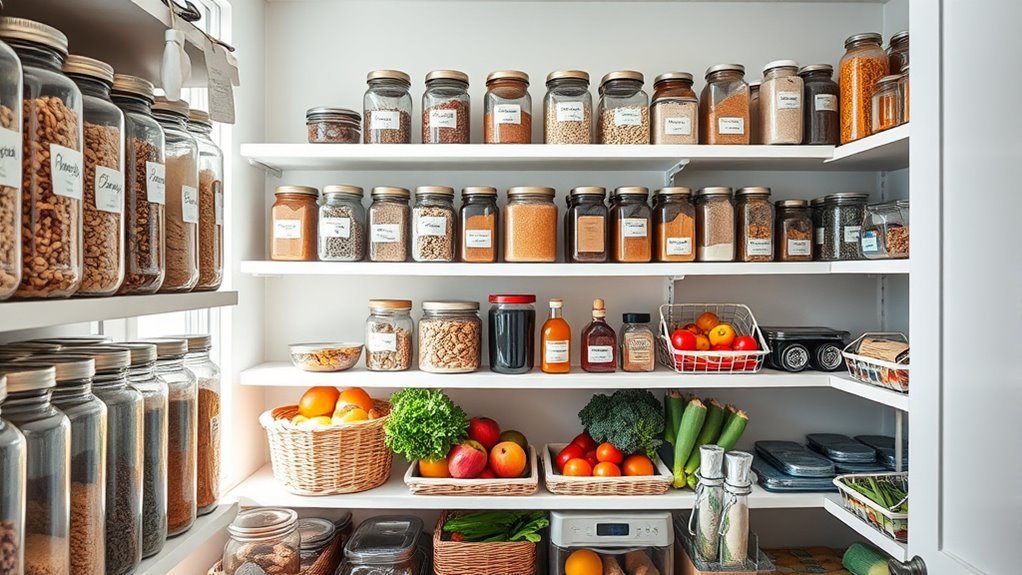
Finally, dry goods should be stored somewhere cool and dry to maintain freshness. This way, your food stays safe and lasts longer!
Conclusion
You might think storing food safely is just about keeping things cold or sealed tight, but it’s actually about preventing harmful bacteria from growing and making you sick. When you handle and store food properly, you’re protecting yourself and your loved ones.
So, don’t underestimate these simple steps—they truly matter. Safe food storage isn’t just a rule; it’s your best defense against foodborne illness every time you eat. Proper storage methods help keep your food fresh longer and reduce the risk of contamination.
In the end, understanding what safe food storage means and why it matters can make a big difference in your health. By following storage guidelines, you’re not only preserving the taste and quality of your meals but also avoiding foodborne illnesses. Remember, safe food storage is key to a healthy kitchen and a happy family.