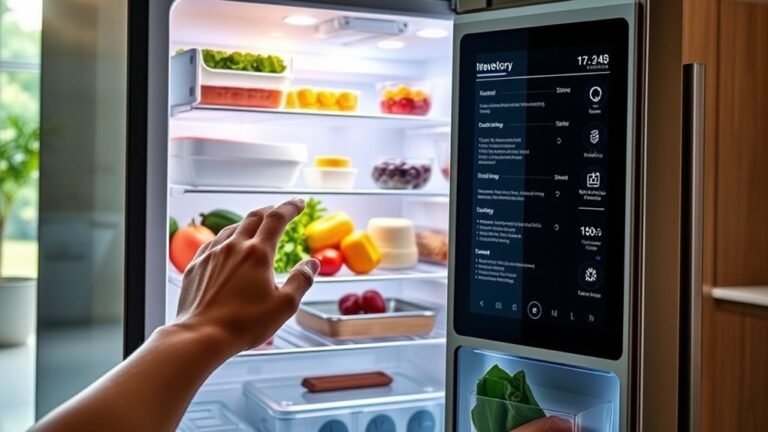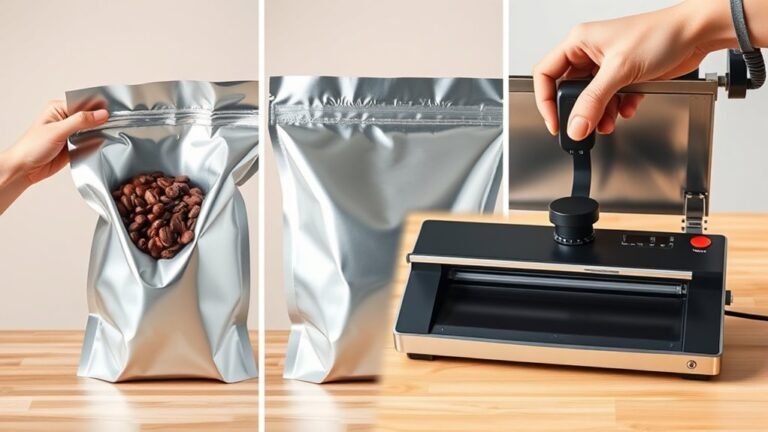
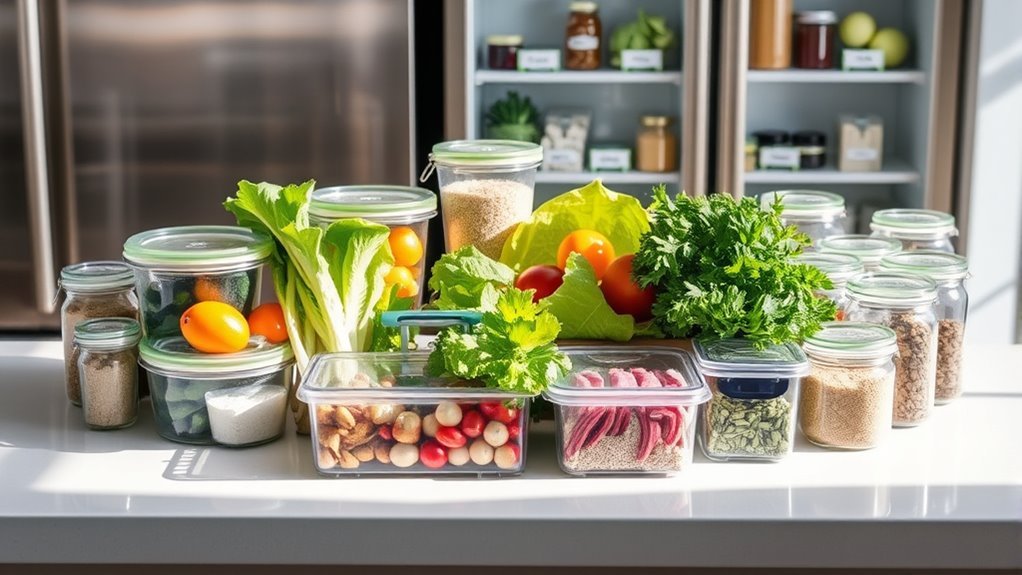
What Is Proper Food Storage and Why Does It Matter?
You need proper food storage to keep your meals safe and fresh by preventing harmful bacteria from growing. Keeping your fridge at or below 40°F and your freezer at 0°F helps stop bacteria in the danger zone between 41°F and 140°F.
Using airtight containers and labeling food also extends freshness and reduces contamination risk. Proper handling of hot and perishable foods is key to avoiding illness.
There’s more to learn about how to keep your food safe every day. Understanding these simple steps can make a big difference in protecting your health and enjoying your meals longer.
Key Takeaways
- Proper food storage keeps food at safe temperatures to prevent harmful bacteria growth and foodborne illnesses.
- Maintaining the refrigerator at or below 40°F and the freezer at 0°F ensures optimal food safety and freshness.
- Using airtight containers and separating raw meats prevents contamination and extends food shelf life.
- Labeling and dating food items helps track freshness and reduces the risk of consuming spoiled products.
- Regular monitoring and discarding spoiled foods maintain safe storage conditions and prevent health hazards.
Importance of Temperature Control in Food Storage
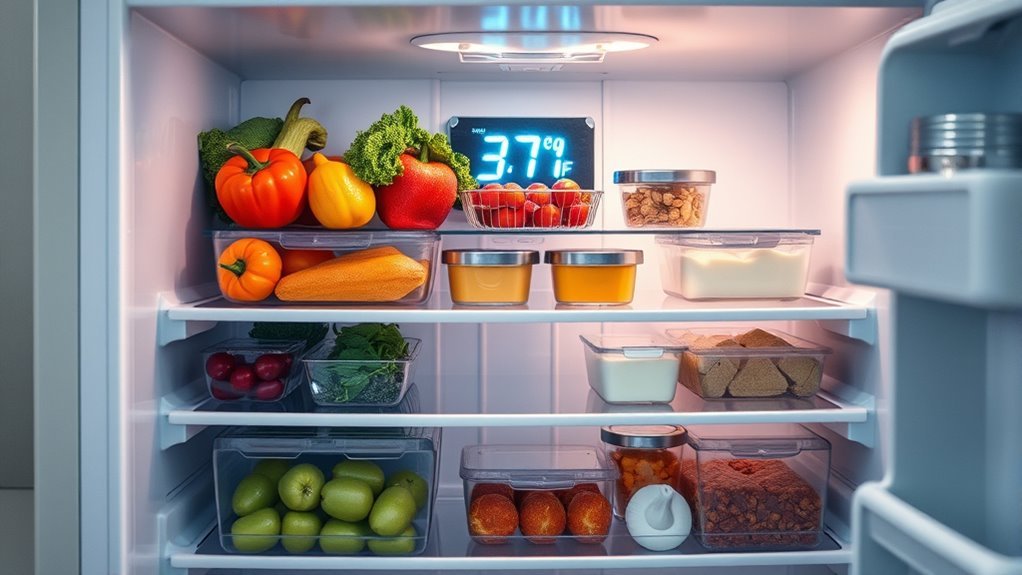
When you control the temperature of your food storage, you stop harmful bacteria from multiplying and keep your food safe. You need to keep perishable foods out of the danger zone, which ranges from 41°F to 140°F, where bacteria grow rapidly.
Maintaining your refrigerator at or below 40°F and freezer temperature at 0°F is essential for food safety. Using a food thermometer helps you monitor these proper temperatures accurately. Hot foods should stay above 140°F to prevent bacterial growth.
Best Practices for Safe Food Storage
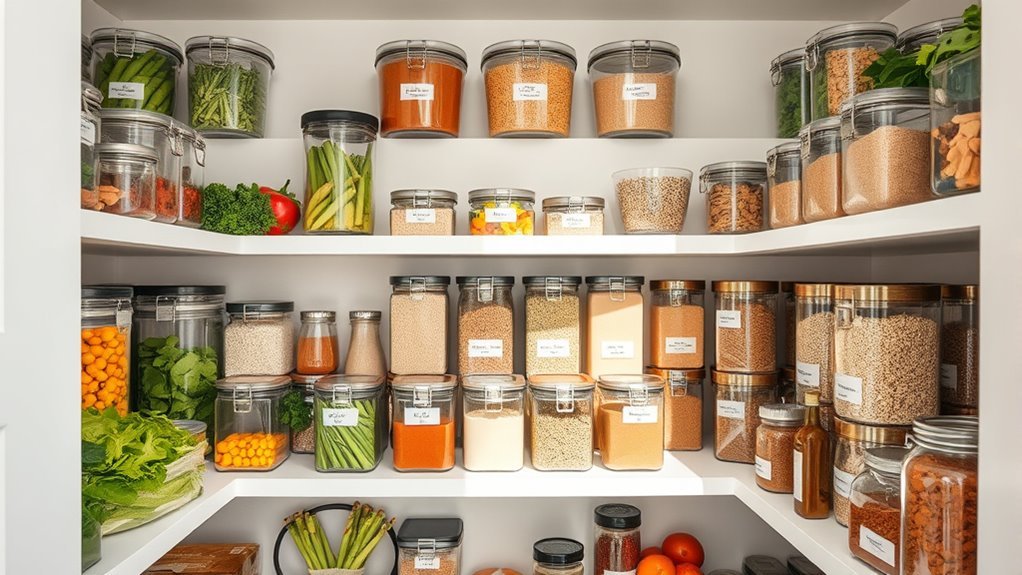
Although maintaining the right temperature is essential, you also need to follow best practices for safe food storage to keep your food fresh and free from contamination.
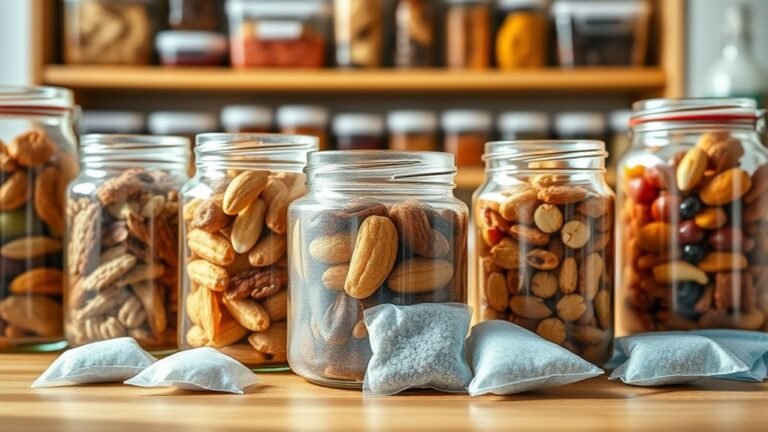
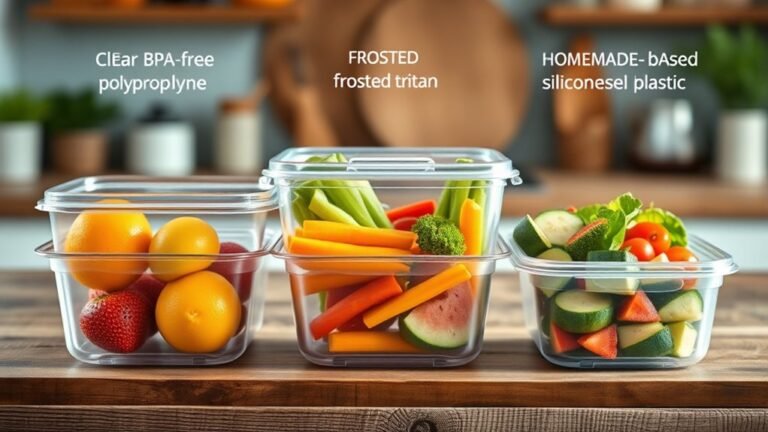
Use airtight containers to protect your food from moisture, pests, and bacteria. This helps extend freshness and supports food safety.
Always store raw meats on the bottom shelf of your refrigerator in separate storage containers. That way, you avoid cross-contamination with ready-to-eat foods.
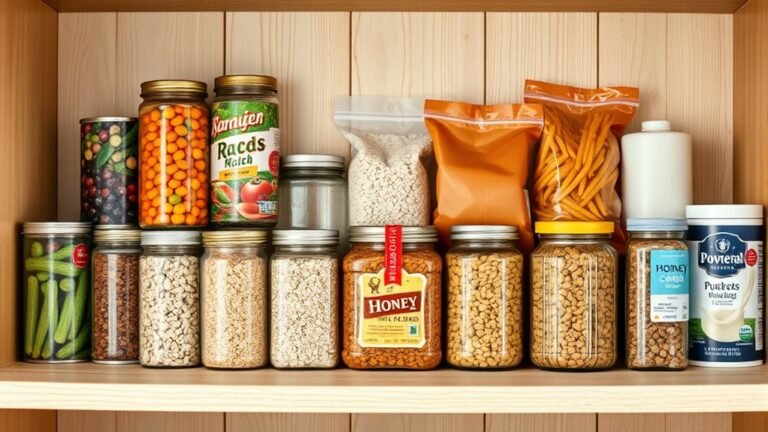
Label and date all items so you can keep track of expiration dates and prevent food spoilage.
Regularly check your fridge and pantry for signs of damage or spoilage. And don’t hesitate to discard any compromised items immediately.
Frequently Asked Questions
What Are Five Reasons Why Proper Food Storage Is Important?
You prevent bacterial growth, extend food shelf life, save money, keep food tasty and fresh, and avoid foodborne illnesses by storing food properly.
Proper storage also helps you follow safety regulations and protect your health. It’s really about keeping your food safe and your body safe too.
What Is the 2-2-2 Rule for Food Storage?
Picture a ticking clock: the 2-2-2 rule tells you to refrigerate perishables within 2 hours.
Eat leftovers in 2 days, and use frozen foods in 2 months.
This way, you keep your meals fresh and safe every step.
What Foods Should Never Be Refrigerated?
You shouldn’t refrigerate tomatoes, bananas, peaches, bread, honey, syrup, potatoes, and onions.
Keeping them at room temperature preserves flavor and texture. It also prevents spoilage, staling, or thickening that refrigeration can cause.
Why Does Proper Storage Matter?
You might not realize it, but improper storage can ruin your food and health. Proper storage guarantees your food stays fresh, prevents harmful bacteria, saves money, and ensures every bite you take is safe and nutritious.
Seriously, it’s not just about keeping things tidy. When you store food right, you’re actually protecting yourself from getting sick. Plus, it means less waste, which is good for your wallet and the planet.
Conclusion
Think of your food like a delicate treasure chest—if you leave it in the sun or a storm, its value fades quickly. By storing your food properly and keeping it at the right temperature, you’re not just protecting meals; you’re preserving memories, health, and care for yourself and your loved ones.
So, treat your food like the precious gift it is, and watch how it nourishes you safely every time. Proper food storage matters because it prevents spoilage, reduces waste, and keeps harmful bacteria at bay. When you handle your food with care, you’re ensuring every bite is fresh, safe, and full of flavor.
In the end, proper food storage is more than just a kitchen habit—it’s a way to protect your family’s health and enjoy your meals to the fullest. So remember, good food storage practices are key to preserving nutrition, preventing foodborne illnesses, and saving money by reducing waste. Keep your food safe, and it will keep you nourished!