3 Best Foods for Long-Term Storage
For long-term storage, you’ll want to focus on grains like white rice or wheat berries—they can last decades when kept airtight and moisture-free. These grains are staples because they’re easy to store and incredibly versatile in meals. Having a supply of grains means you’re set for the long haul.
Dried beans and legumes are also a smart choice. They offer protein and nutrients that stay good for 30+ years if stored properly.
Plus, they add variety and important vitamins to your pantry.
Finally, canned or dehydrated proteins provide a reliable and varied source of nutrition with shelf lives from 5 up to 20 years. These options are great for ensuring you have essential nutrients without worrying about quick spoilage.
Keep these staples in mind as you explore the best ways to preserve your food supply.
Key Takeaways
- White rice, dried beans, and rolled oats are top choices for long-term storage due to their exceptional shelf life and nutritional value. They’re staples that really stand the test of time.
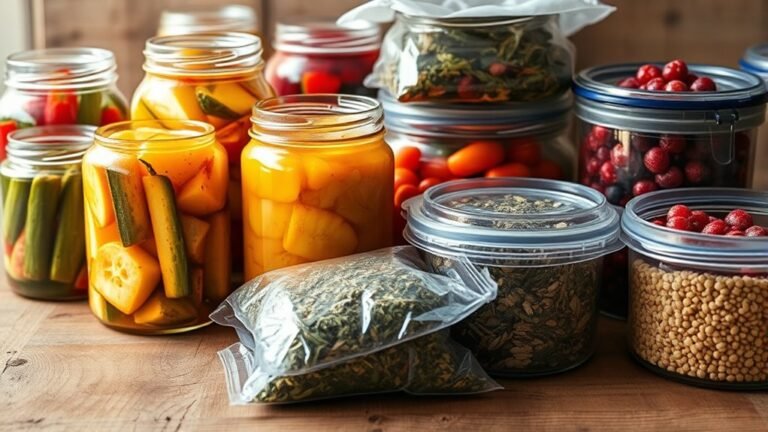
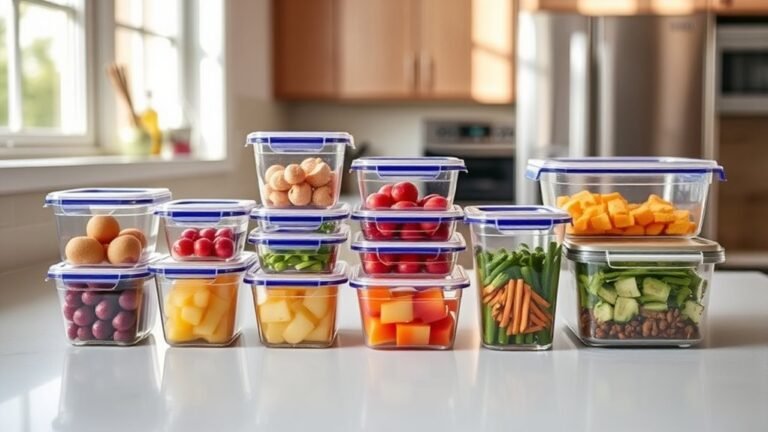
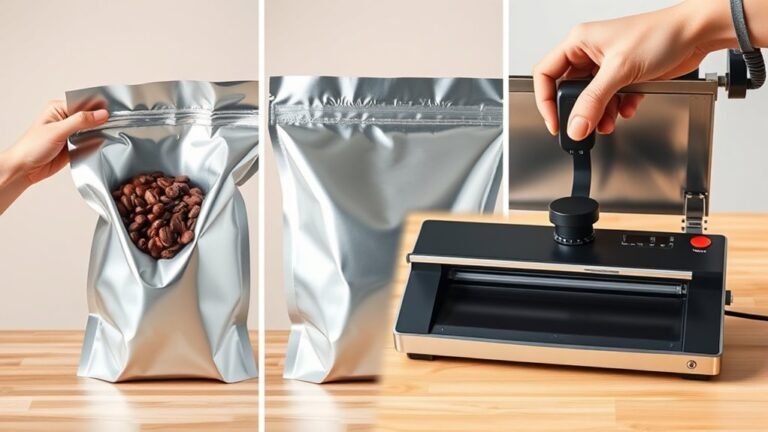
- Proper storage in airtight, moisture-proof containers with oxygen absorbers significantly extends food longevity and preserves freshness. It’s all about keeping moisture and air out to avoid spoilage.
- Dried beans provide essential protein, fiber, and minerals, making them a nutritious long-term food option. They’re a great way to keep your diet balanced when fresh foods aren’t available.
- Canned meats and dehydrated proteins complement grains and legumes by adding variety and balanced nutrition. Mixing these up keeps meals interesting and well-rounded.
- Regular inspection and rotation of stored foods ensure safety, quality, and readiness for emergency use. Just check on your supplies now and then to make sure everything’s in good shape.
Grains With Exceptional Shelf Life
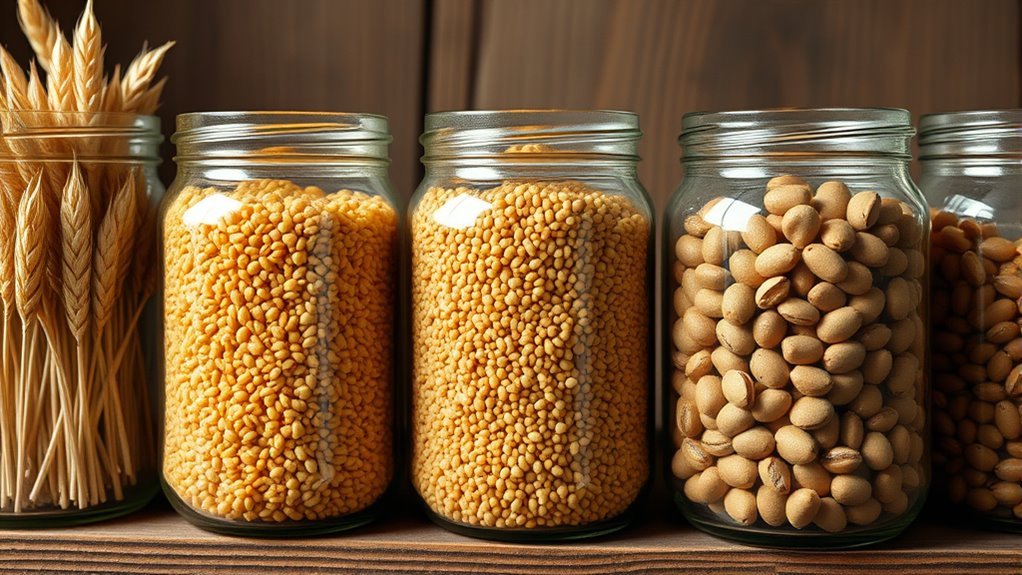
When you store grains like white rice, hard wheat berries, and oats in airtight containers away from light and moisture, you can preserve them for decades. White rice, for instance, can last up to 30 years under these conditions.
Hard wheat berries, especially #2 grade with low moisture, can be stored indefinitely. Rolled oats and steel-cut oats also boast a storage life exceeding 30 years if kept moisture-free and sealed.
Quinoa and barley, although not as long-lasting, can remain good for 8 years or more in airtight containers. Using oxygen absorbers alongside airtight packaging considerably extends the storage life of all these grains, keeping them fresh and nutritious.
Dried Beans and Legumes
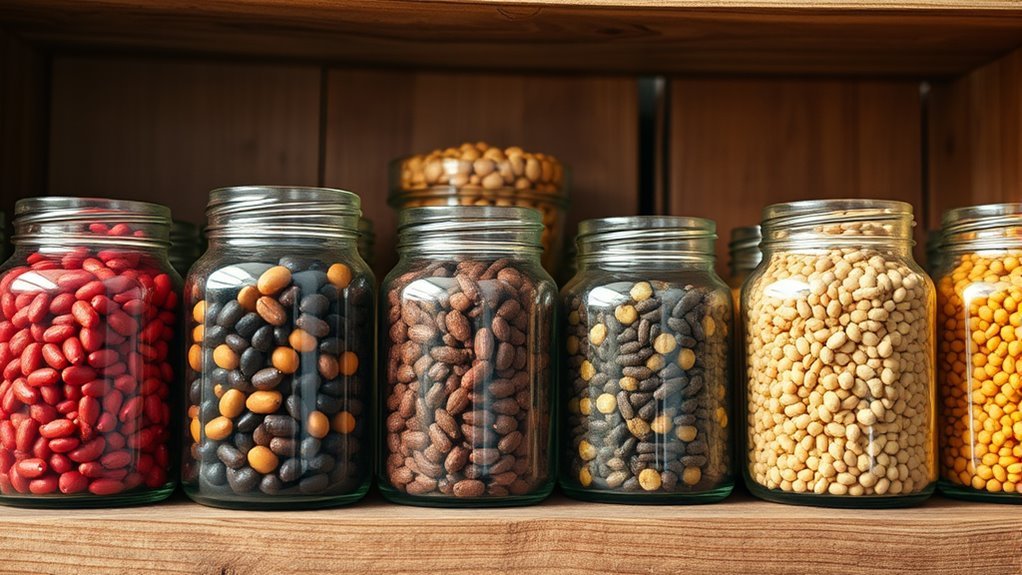
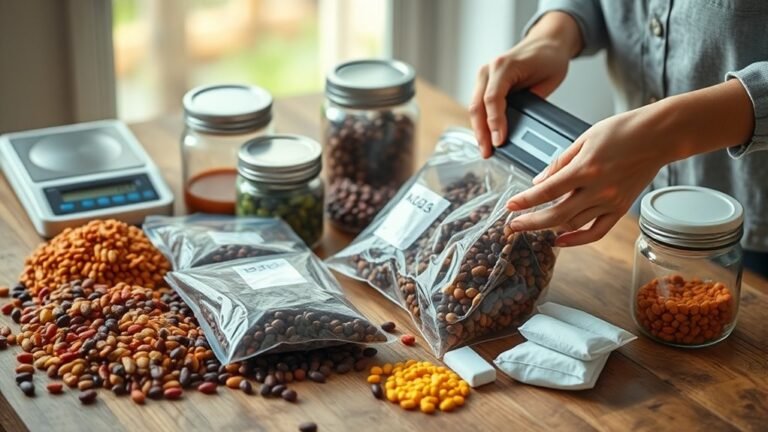
Alongside grains, dried beans and legumes offer impressive longevity for your food storage. Varieties like pinto, black beans, and chickpeas can last over 30 years when stored in airtight, moisture-proof containers under ideal storage conditions.
Using Mylar bags with oxygen absorbers guarantees nutrient preservation and extends shelf life by preventing insect infestation and spoilage. These legumes are a powerhouse of protein, fiber, potassium, and iron, making them essential for long-term storage.
To maintain food safety, regularly inspect packaging and rotate your stock. Remember, dried beans require soaking and cooking before eating, which you can easily do with simple methods like boiling or using a pressure cooker.
Properly stored, dried beans provide a reliable, nutritious food source for emergencies and everyday use alike. So, they’re definitely worth having on hand!
Canned and Dehydrated Protein Sources
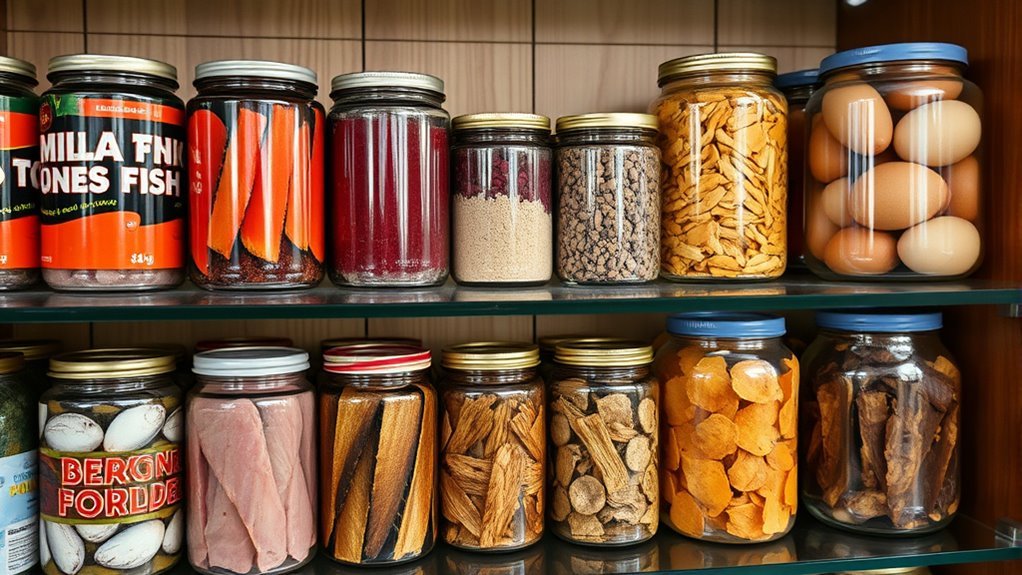
How can you guarantee a steady supply of protein in your long-term food storage? Canned meats like tuna, chicken, and salmon offer reliable protein sources with a shelf life of 5-6 years when stored properly.
Dehydrated protein options, including beef jerky and freeze-dried eggs, can last from 1 to 20 years depending on packaging. Don’t overlook vacuum-sealed legumes and dried beans—they store well for over 30 years and provide excellent plant-based proteins.
Canned fish and cured meats like salami can last indefinitely if unopened and undamaged. For convenience, powdered protein supplements and meal replacements serve as lightweight, compact emergency foods with shelf lives up to 10 years.
Combining these canned and dehydrated protein sources ensures you have diverse, long-lasting nutrition in your emergency food supply. It’s all about mixing and matching to keep things tasty and reliable.
Frequently Asked Questions
What Is the Best Food to Stockpile for Survival?
You should stockpile white rice, dried beans, and freeze-dried meats for survival. They last long, provide essential nutrients, and resist spoilage.
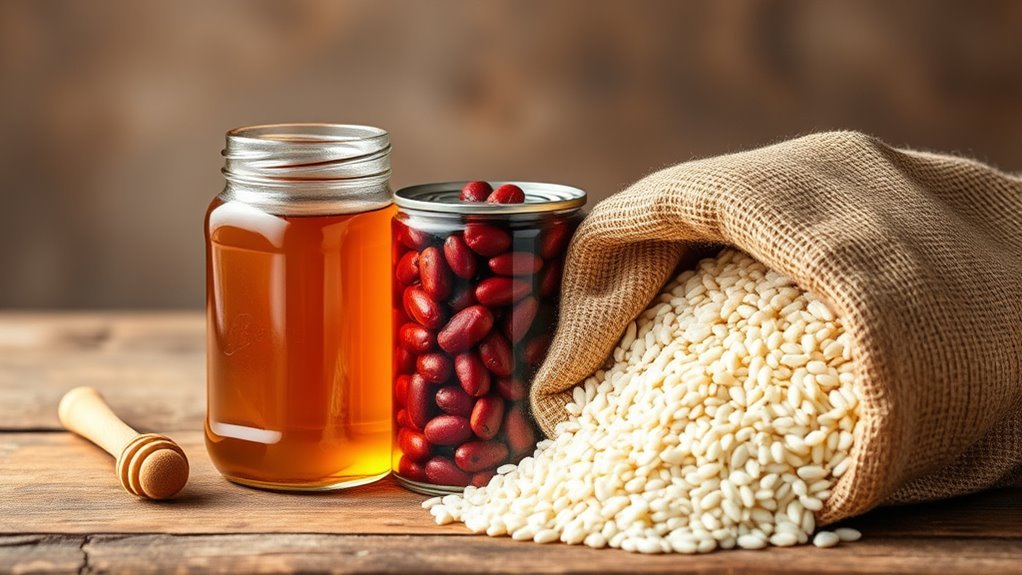
Add honey, salt, and powdered milk for variety and extended shelf life. These little extras can really make a difference when you’re relying on stored food.
What Food Has a 25 Year Shelf Life?
You’ll find white rice, dried wheat berries, powdered milk, and freeze-dried meals all last around 25 years when stored properly.
Canned foods and honey can also keep for decades if you keep them sealed and cool.
What Is the 5 4 3 2 1 Rule for Groceries?
Imagine your pantry stocked with five days’ worth of essentials. The 5-4-3-2-1 rule means five servings, four food types, three days’ supplies, two backup cooking methods, and one gallon of water per person.
It’s a simple way to make sure you’re covered without going overboard. Just enough variety and quantity to keep you going when you need it most.
What Foods Can I Store for 20 Years?
You can store whole grains, powdered milk, dried legumes, and freeze-dried foods for 20 years if you keep them sealed, cool, dry, and away from light.
It’s all about how you store them. Keep everything airtight and in a dark, cool spot, and you’re good to go.
Also, honey and vinegar last indefinitely, too. So those are some great staples to have on hand!
Conclusion
You might worry that storing these foods long-term means sacrificing taste or nutrition, but that’s not true. Grains, dried beans, and canned or dehydrated proteins keep well without losing their value or flavor.
By choosing these staples, you’re investing in reliable, nutritious options that can support you through any situation. With proper storage, you’ll have peace of mind knowing your food supply stays fresh and ready when you need it most.
Long-term food storage doesn’t have to be complicated. These three best foods for long-term storage offer convenience, nutrition, and great taste, making them ideal for emergencies or everyday use. So, whether you’re prepping for a storm or just want to be prepared, grains, dried beans, and canned or dehydrated proteins are smart choices that provide lasting nourishment and flavor.