What Provides Temporary Storage of Food?
You rely on vacuoles inside your cells to temporarily store food, nutrients, and waste until your body uses or discards them. These vacuoles are essential for providing temporary storage of food within the cell, helping to keep everything in order.
In plant cells, a large central vacuole holds most of the storage.
On the other hand, animal cells have smaller, multiple vacuoles doing similar work. These specialized sacs help keep your cells organized and balanced.
If you want to see how vacuoles adapt to different cell needs, you’re on the right track to understand more. They’re pretty fascinating when you think about how they manage storage depending on the cell type.
Key Takeaways
- Vacuoles are membrane-bound sacs that provide temporary storage of food within cells. In animal cells, vacuoles store food particles aiding intracellular digestion temporarily.
- Plant cell vacuoles temporarily store nutrients and food materials for cellular use. They help organize and regulate the storage and release of food substances.
- Temporary food storage in vacuoles supports cell metabolism and energy needs. So, they basically act as handy storage spots inside the cell until the food is needed.
Role of Vacuoles in Cellular Storage
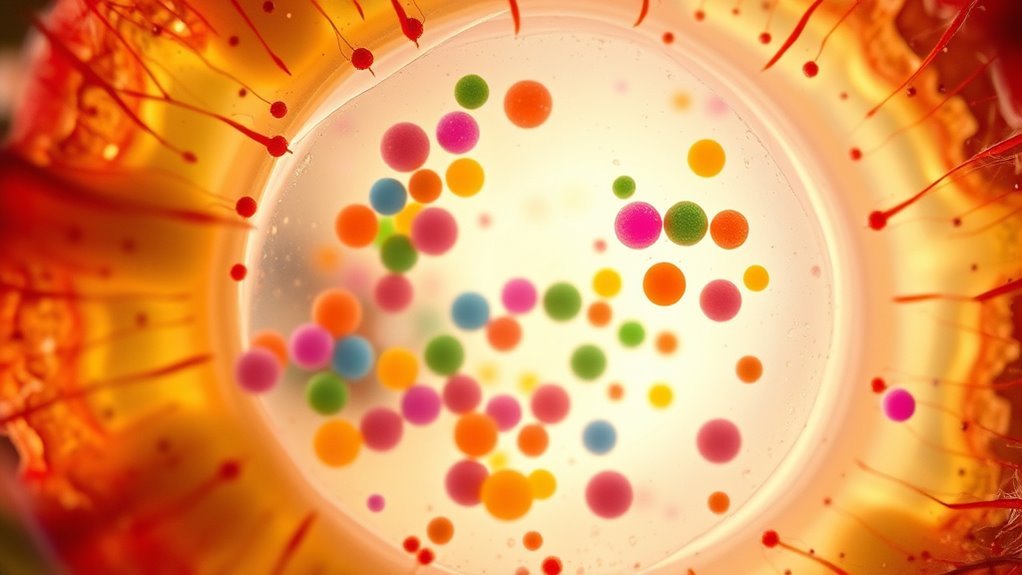
How do cells manage their temporary food storage? Vacuoles, an essential organelle, serve as the main storage units inside the cell. These membrane-bound sacs hold food, waste, and nutrients temporarily until the cell uses or expels them.
In plant cells, the large central vacuole plays a key role by storing water and nutrients, which supports cell growth and maintains turgor pressure. This guarantees the plant cell stays firm and healthy.
Vacuoles also help balance the cell’s internal environment by regulating what’s stored and released. Whether it’s food or waste, vacuoles act as organized storage compartments that keep the cell running smoothly.
Differences Between Plant and Animal Cell Vacuoles
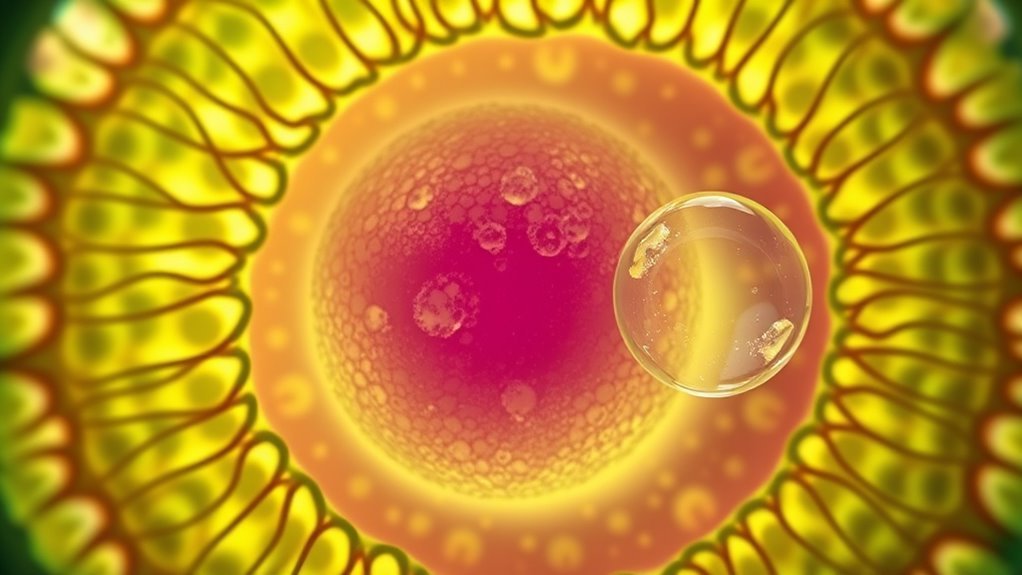
Although both plant and animal cells use vacuoles for storage, you’ll notice their size and functions vary considerably to meet each cell type’s needs.
In a plant cell, vacuoles are large and can take up to 90% of the cell’s volume, serving as the main storage site for water, nutrients, and waste products. These plant vacuoles also help maintain turgor pressure, keeping the cell rigid.
In contrast, animal vacuoles are smaller, more numerous, and mainly provide temporary storage of nutrients and waste products. Animal vacuoles often contain food particles and assist in intracellular digestion.
As a cell organelle, vacuoles adapt to the specific storage needs of plant and animal cells, highlighting the differences in how each cell manages temporary storage efficiently.
Frequently Asked Questions
What Provides Temporary Storage of Food Enzymes and Waste?
Vacuoles provide temporary storage of food, enzymes, and waste inside your cells. You’ll find large ones in plant cells holding nutrients, while animal cells have smaller ones managing short-term storage and helping maintain cellular balance.
It’s pretty interesting how these little compartments keep things organized. They act like tiny storage units, making sure everything inside the cell stays in the right place for just the right amount of time.
What Are Three Types of Food Storage?
You might think food storage is simple, but it involves three key types: carbohydrates, lipids, and proteins. Each stores energy differently, so you’ll need to understand how your body uses them for fuel, insulation, and repair.
Basically, carbohydrates are your body’s quick energy source. Lipids, or fats, are more about long-term energy storage and keeping you warm. Proteins? They’re mainly for repairing and building tissues, not so much for energy. Makes sense, right?
What Is a Food Storage Area Called?
A food storage area in a cell is called a vacuole. You’ll find it temporarily holds nutrients like sugars and proteins, helping your cell manage and regulate food and other materials efficiently.
Basically, it’s like the cell’s pantry, keeping things safe and ready to use when needed. This way, the cell stays organized and runs smoothly!
What Are the Four Types of Food Storage?
You might wonder about the four types of food storage: vacuoles, vesicles, cytoplasm, and lysosomes. They each hold and manage nutrients differently, helping you understand how cells efficiently store and use food temporarily.
So, think of vacuoles as the big storage bubbles inside cells. They keep food and waste safe for later use.
Vesicles are like little transport packages, moving nutrients around where they’re needed. Cytoplasm is the jelly-like stuff where nutrients float and get used.
And lysosomes? They’re the cleanup crew, breaking down food into smaller parts the cell can use. Cool, right?
Conclusion
You might think vacuoles only store food temporarily, but their role goes deeper. In both plant and animal cells, vacuoles don’t just hold nutrients; they regulate waste, maintain pressure, and balance ions.
While temporary food storage is true, it’s just one part of their function. So, when you consider vacuoles, remember they’re dynamic organelles essential for more than short-term storage—they’re crucial for overall cell health and stability.
In summary, vacuoles provide temporary storage of food, but their importance stretches beyond that. They help manage waste, keep the cell’s internal environment stable, and support cell structure by maintaining pressure. So, when you think about what provides temporary storage of food in cells, vacuoles are the answer, but don’t overlook their broader, vital roles in keeping cells healthy and balanced.