What Does FIFO Mean in Food Storage?
FIFO in food storage means “First In, First Out.” This simple but effective system helps you use older items before newer ones, keeping your food fresh longer.
By rotating your stock properly, FIFO reduces waste and prevents spoilage, which is a big win for both your kitchen and your budget.
You’ll label and organize items so the oldest are easy to find and use first. This way, nothing gets forgotten in the back of the pantry.
Plus, sticking with FIFO makes inventory management a breeze and boosts overall food safety.
Keep these basics in mind, and you’ll quickly discover even more tips to streamline your storage system. Trust me—it’s a game-changer for keeping everything fresh and organized!
Key Takeaways
- FIFO stands for “First In, First Out,” which means you use the older food stock before the newer items.
- This method helps reduce spoilage and keeps food fresh by making sure products are used in the order they were received.
- To organize FIFO properly, you’ll want to label items and place the older ones at the front or top of your storage.
- It’s also important to regularly check and rotate your stock to make sure FIFO is working right.
- Using FIFO can really cut down on waste, keep food safe, and make managing your inventory a lot easier.
Understanding the FIFO Method in Food Storage
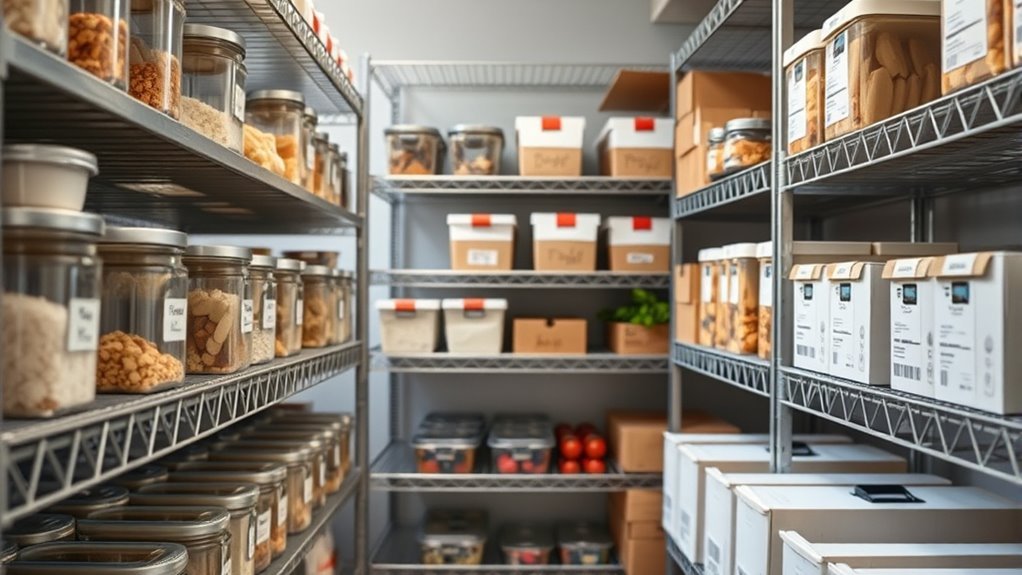
Although managing food storage can be challenging, using the FIFO method makes it easier by ensuring you use older stock before newer items. FIFO, which stands for “First In, First Out,” helps you maintain food safety by reducing spoilage and extending shelf life.
Using FIFO simplifies food storage by prioritizing older stock to reduce spoilage and enhance safety.
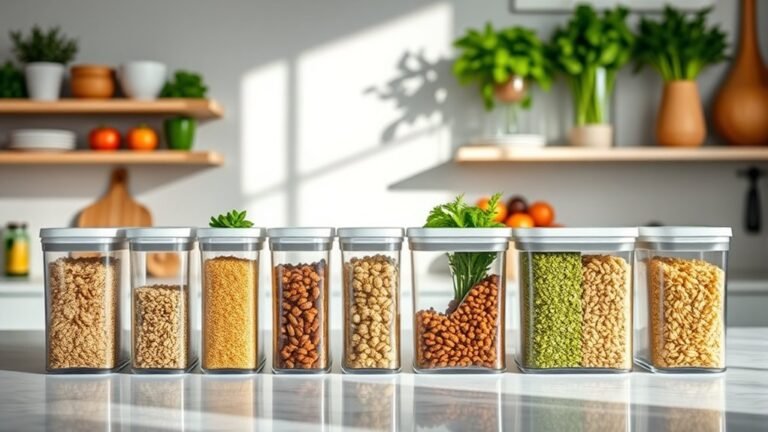
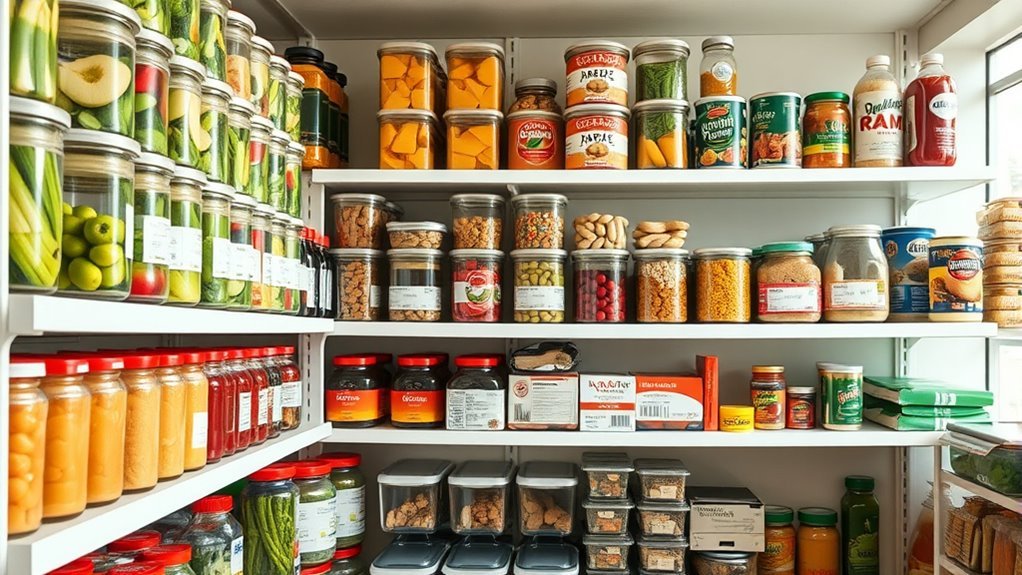
When you organize your dry storage, place older items at the front and label everything with storage dates. This makes food rotation straightforward, so you can quickly identify what needs to be used first.
Good food handling practices go hand-in-hand with FIFO, preventing expired or spoiled products from slipping through. By regularly checking your inventory and rotating stock, you’ll keep your food fresh and safe while minimizing waste.
Following FIFO is a smart way to keep your food storage efficient and reliable. It really helps you stay on top of your supplies and avoid unnecessary loss.
Implementing FIFO for Effective Food Safety and Inventory Management
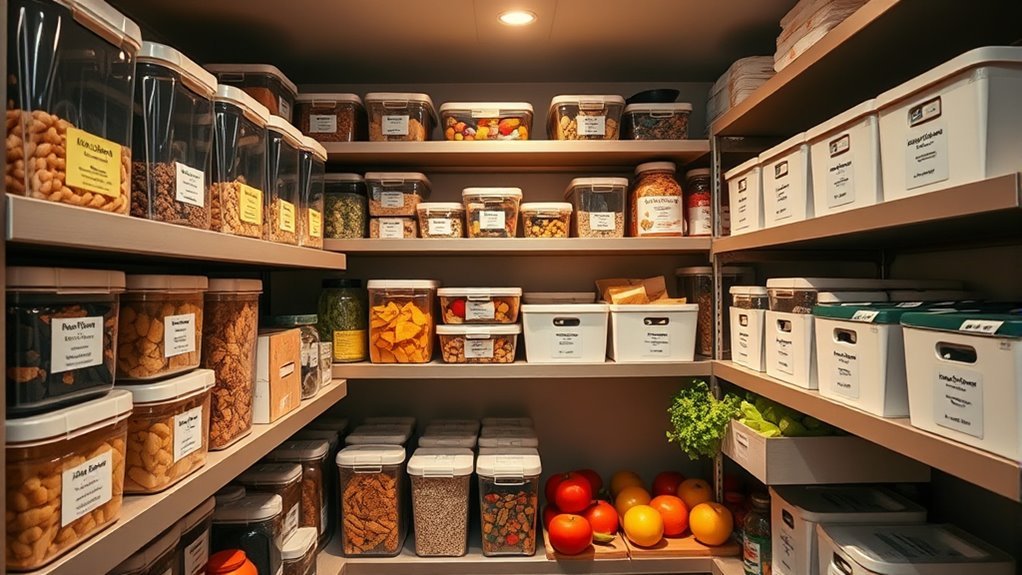
How can you guarantee your food stays safe and your inventory stays organized? Implementing a FIFO system is key to effective food safety and inventory management.
To keep your food storage safe and efficient, you should:
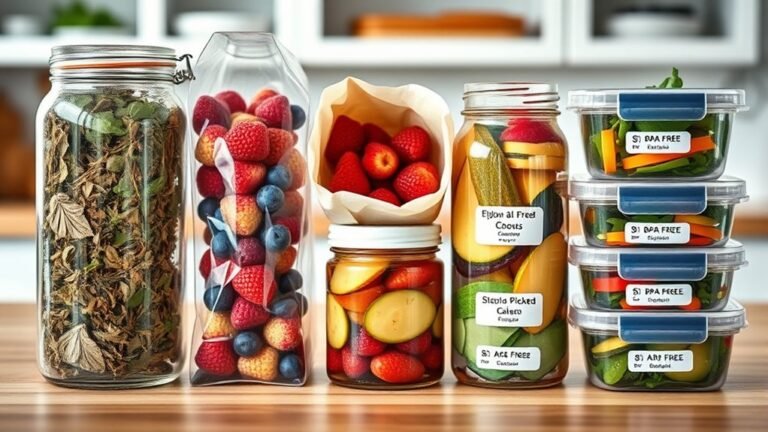
- Label all food items with receipt or production dates to track older stock.
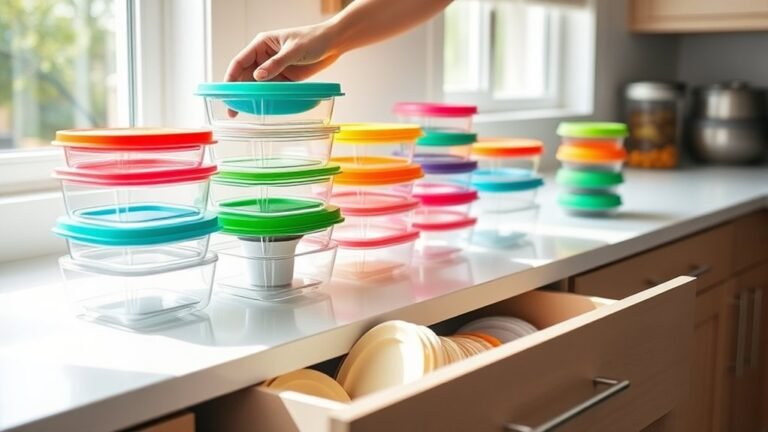
- Organize storage by placing older products at the front or top for easy access.
Also, regularly inspect your inventory and move newer stock behind older items. Don’t forget to follow proper food handling by moving existing products forward when restocking.
Frequently Asked Questions
Do Grocery Stores Use FIFO or LIFO?
Grocery stores use FIFO, not LIFO, to manage inventory. You’ll find older products placed upfront so they sell first.
This helps prevent spoilage and waste. It also keeps items fresh and safe for you to enjoy.
What Are the 5 Disadvantages of FIFO?
You’ll face increased labor and higher inventory costs. Training can be time-consuming too.
Relying solely on FIFO might also lead to potential stock shortages. Plus, there’s a risk of neglecting other inventory practices.
All this can end up causing waste or spoilage in your food storage. So, it’s important to keep an eye on the whole process.
What Is a FIFO Checklist?
Did you know FIFO reduces food waste by up to 30%?
A FIFO checklist helps you label, organize, and rotate inventory properly. This way, you make sure to use older stock first and keep everything fresh and safe for your customers.
What Does FIFO Stand For?
FIFO stands for “First In, First Out.”
You use it to manage inventory by using the oldest items first, preventing waste and spoilage. It helps you keep your stock fresh and organized efficiently.
Basically, it’s a simple way to make sure nothing goes to waste and everything moves smoothly.
Conclusion
Now that you know FIFO means using the oldest food first, imagine what happens if you don’t follow it. Spoiled items, wasted money, and even health risks could be lurking in your storage.
But by sticking to FIFO, you’re not just organizing your food—you’re protecting yourself and everyone who enjoys your meals.
So next time you stock your shelves, ask yourself: are you really ready to ignore the power of FIFO? Following FIFO in food storage helps reduce waste, save money, and keep your kitchen safe.
It’s a simple step that makes a big difference in food safety and efficiency. Don’t let your food go to waste—embrace FIFO and keep your storage smart and fresh.