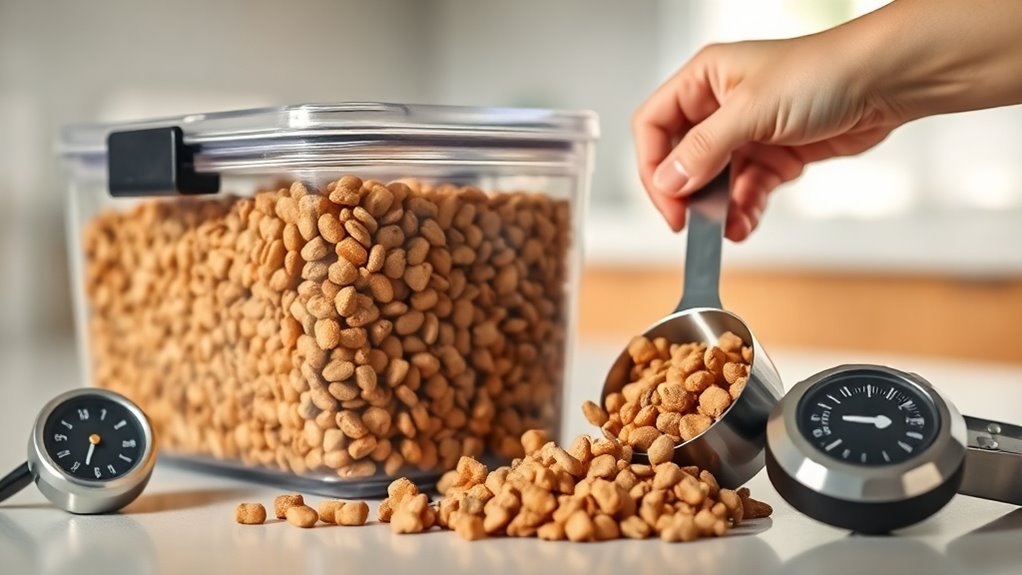
3 Tips to Prevent Storage Mites in Dog Food
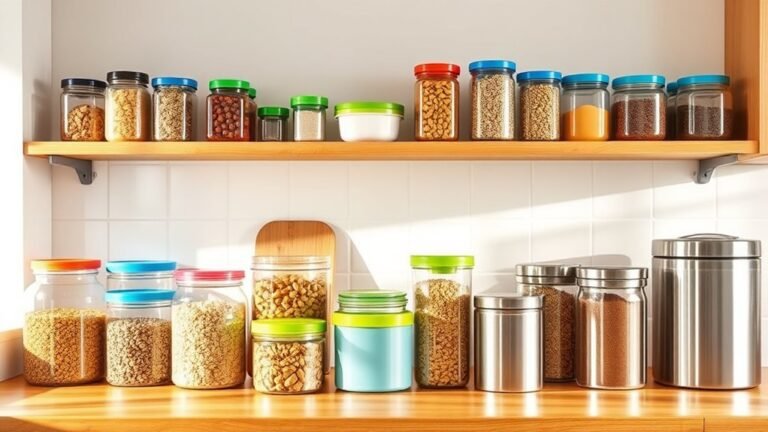
To prevent storage mites in your dog’s food, it’s important to store it in a clean, airtight container. Make sure the container is kept cool and dry to stop mites from thriving.
Always rotate your stock by buying smaller batches. And don’t forget to reseal containers immediately after portioning the food. This keeps the environment less inviting for those pesky mites.
Keep your dog’s feeding areas and bowls clean every day. Remove crumbs and any food residues where mites can hide and multiply. Managing freshness by checking use-by dates and discarding old food also makes a big difference.
Follow these simple steps, and you’ll likely discover even more ways to protect your pup’s food from storage mites. It’s all about staying consistent and proactive!
Key Takeaways
- Store dry dog food in clean, airtight containers to keep out moisture and storage mites. This makes a big difference in keeping the food fresh and safe.
- Rotate stock frequently by buying smaller batches and using older food first. That way, nothing sits around long enough to attract mites.
- Regularly clean and wipe storage containers to remove dust, debris, and mite habitats. It’s a simple step that helps a lot.
- Keep feeding areas and bowls clean to prevent mite contamination from leftover food. Dogs appreciate a tidy feeding spot, and so do you.
- Store food in cool, dry places and check use-by dates to discard old, mite-prone food. Staying on top of this really helps keep those pesky mites at bay.
How to Store Dog Food to Keep Storage Mites Away
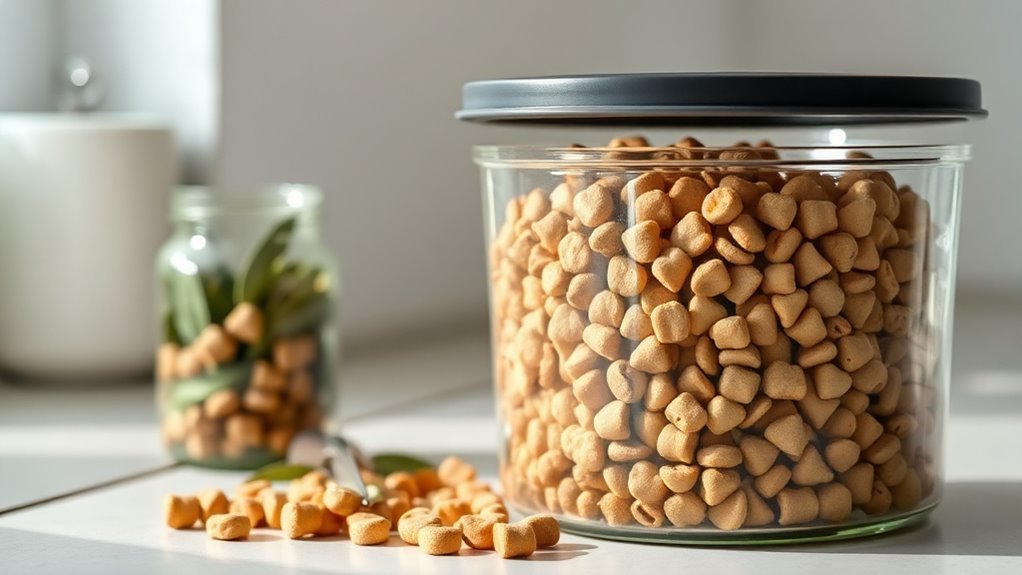
When storing your dog’s dry food, use a clean, airtight container to guarantee storage mites stay at bay. These pests thrive in stored grains and can easily infest open bags, so airtight storage is really essential.
You’ll want to keep the food dry and cool. Using smaller bags helps you rotate stock quickly, which is great because fresher batches mean fewer chances for mites to establish.
Also, remember that even house dust mites can contribute to contamination. So, regularly clean and wipe the storage container before adding new food.
Don’t forget to discard any dust or debris from the bottom, as this is where mites often gather. By following these steps, you’ll effectively reduce storage mite risks and keep your dog’s food safe and fresh.
Cleaning Feeding Areas and Bowls to Reduce Storage Mite Exposure
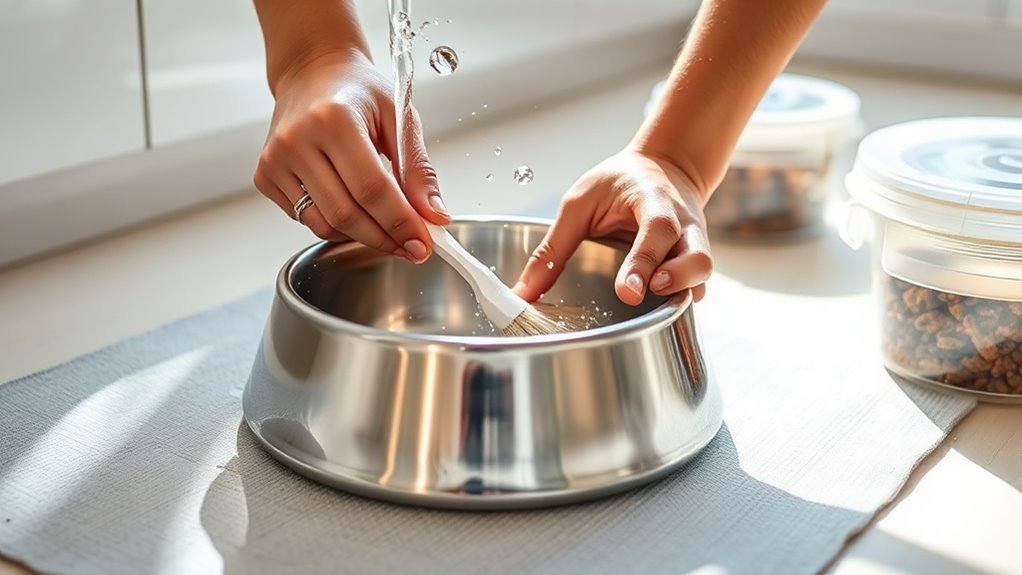
Keeping your dog’s feeding area and bowls clean plays a big role in preventing storage mite exposure. These mites love warm spots and can feed on leftover food and skin dander around the bowls.
Make sure to clean your dog’s food bowl daily, removing any dried residues that might attract mites. After feeding, wipe your pet’s face with a damp cloth to clear away food particles and skin dander. This simple step also helps reduce contamination.
Don’t forget to empty and wipe out food storage containers before adding fresh food. Removing dust and crumbs is key because that’s where mites can multiply.
Choosing Fresh Food and Managing Portions to Prevent Storage Mites
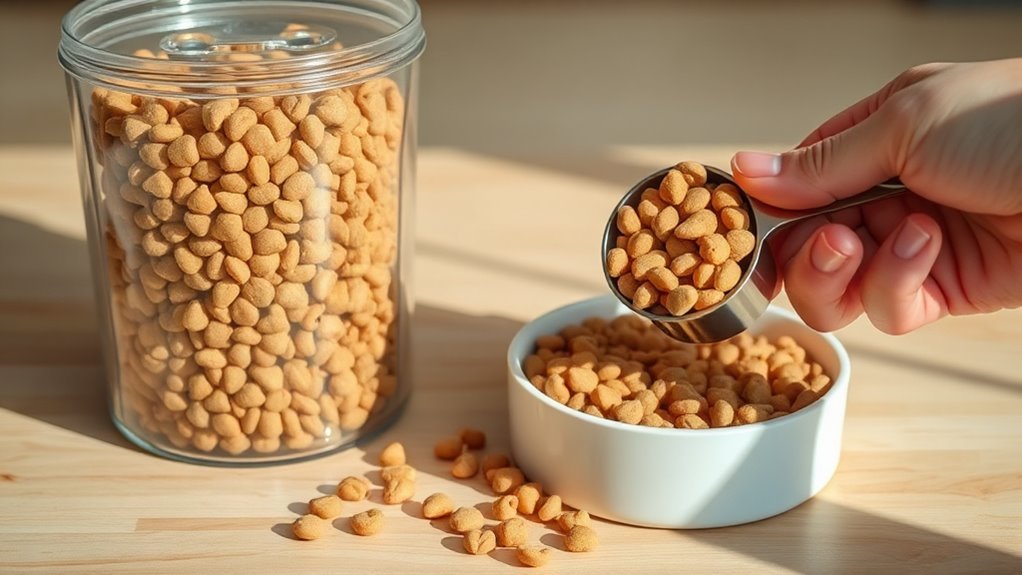
Although storage mites are tiny, they can quickly invade dog food if you don’t manage portions and freshness carefully. To prevent allergic reactions caused by mites, it’s best to buy smaller batches of food.
Also, store the food in airtight, resealable containers instead of keeping it in the original bag. Keep those containers in a cool, dry place—avoid heat and humidity since that’s where mites love to thrive.
Make sure to clean containers really well before adding new food. Remove any dust or residue that might be hiding mites.
Only portion out what your dog needs for each feeding and reseal the container right away to limit exposure. Try not to transfer food to old containers that still have residue.
And don’t forget to regularly check use-by dates so you can toss out any older food that might carry mites. Following these steps helps keep your dog’s food fresh and mite-free.
Frequently Asked Questions
Are Storage Mites Common in Dry Dog Food?
Yes, storage mites are common in dry dog food, especially if you don’t store it properly.
Keeping food in sealed containers, in cool, dry places, and cleaning containers regularly helps you prevent these tiny pests effectively.
It’s all about making sure the environment isn’t inviting for them. Just a little extra care goes a long way!
Can You Build Immunity to Dog Allergies?
Building immunity to dog allergies isn’t like riding a bike—you can’t just pick it up naturally.
You’ll need allergy shots or drops to retrain your immune system. At the same time, managing symptoms with medication can help provide relief.
It takes some effort, but with the right treatment, you can reduce your allergic reactions over time.
What Are the Most Common Causes of Food Allergies in Dogs?
You’ll find the most common causes of food allergies in dogs are specific proteins, like certain meats or grains. These trigger immune reactions, leading to itching or infections.
How to Stop Mites on Dogs?
You might not realize it, but stopping mites on your dog starts with regular baths using mite-specific shampoos.
Don’t forget to clean their bedding and vacuum often—this cuts off mites’ hiding spots and keeps your dog comfortable.
Conclusion
If you think keeping storage mites away from your dog’s food is tough, think again. By storing food properly, cleaning feeding areas regularly, and choosing fresh portions, you’re already steps ahead.
But here’s the catch: miss just one tip, and those tiny pests could sneak back in. Stay vigilant, follow these simple habits, and you’ll keep your furry friend safe and healthy.
The secret to mite-free meals is in your hands. Proper storage, regular cleaning, and fresh food portions are key to preventing storage mites in dog food. Are you ready to protect your dog from these pesky invaders and ensure their meals stay fresh and safe every time?