How to Prep Food for Long Term Storage in 5 Essential Steps
To prep food for long-term storage, start by choosing high-quality, nutrient-dense items that have long shelf lives. This is key because you want foods that will stay fresh and nutritious over time without spoiling. Think dried beans, rice, nuts, and dehydrated vegetables.
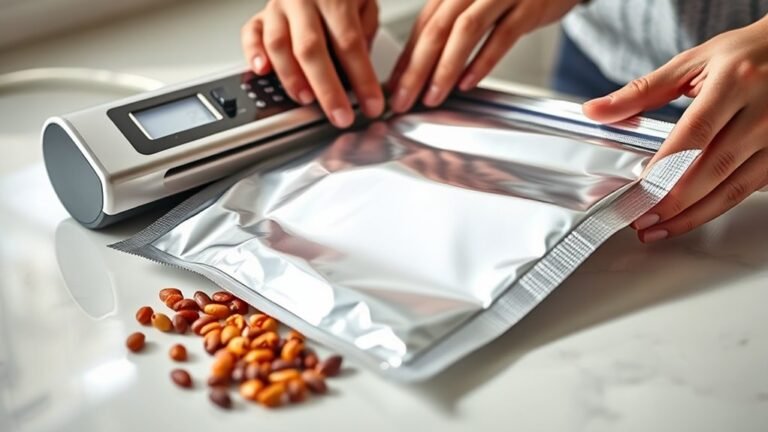
Next, pack your chosen foods in airtight containers like Mylar bags with oxygen absorbers. Removing as much air as possible helps prevent spoilage and extends shelf life. Vacuum sealing or tightly closing lids works well for this step.
Using oxygen absorbers is a smart move—they keep foods fresh longer by eliminating oxygen, which can cause food to go bad faster.
Finally, store everything in a cool, dark, dry place with stable temperatures. Doing all this ensures your food stays safe and nutritious for months or even years.
You’ll find even more tips to maximize your storage success if you keep reading!
Key Takeaways
- Choose nutrient-dense, non-perishable foods with long shelf lives. Avoid unfamiliar or overly processed items to ensure quality and safety.
- Use airtight containers like mason jars, Mylar bags with oxygen absorbers, or vacuum-sealed bags for packaging. These options help keep your food fresh for longer.
- Remove as much air as possible by filling containers completely and sealing them tightly. This step is key to preventing spoilage.
- Add appropriately sized oxygen absorbers inside sealed containers. They extend freshness and help prevent oxidation.
- Store food in cool, dark, dry environments between 50°F and 70°F. Make sure to monitor humidity and temperature regularly to keep conditions ideal.
Choose High-Quality and Suitable Foods
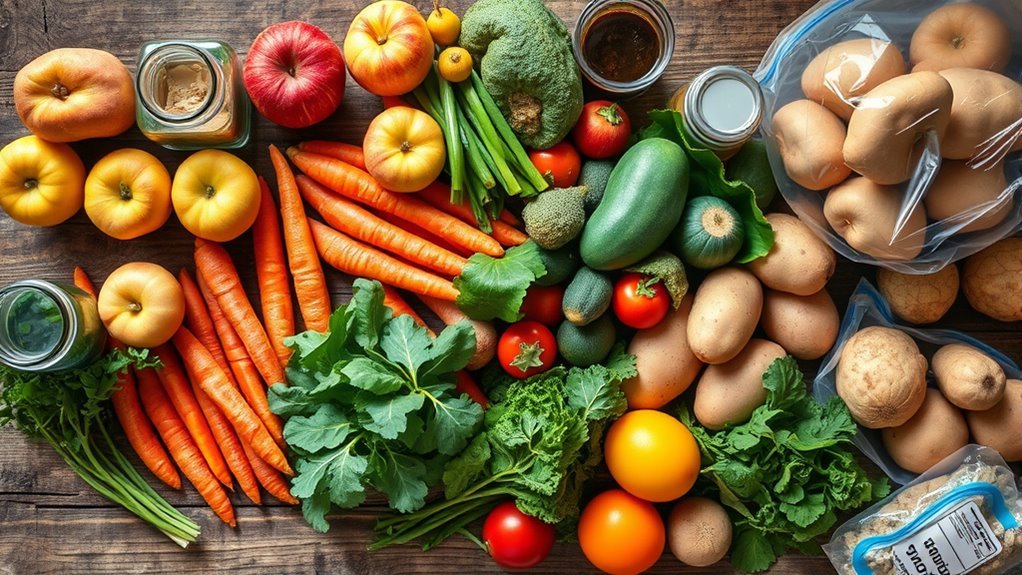
When prepping food for long-term storage, you should prioritize high-quality, nutrient-dense items that last. Choose non-perishable foods like dried beans, rice, oats, and canned vegetables, which can remain edible for 10-30 years when stored properly.
Focus on foods rich in nutritional value, such as freeze-dried fruits, meats, and whole grains, to support your health during emergencies. Always check expiration dates and pick items with the longest shelf life to maximize food security.
Avoid unfamiliar or overly processed foods that might go to waste. Store your selections in a cool, dry storage area using airtight food storage containers to maintain freshness and prevent spoilage.
Prepare Containers and Packaging
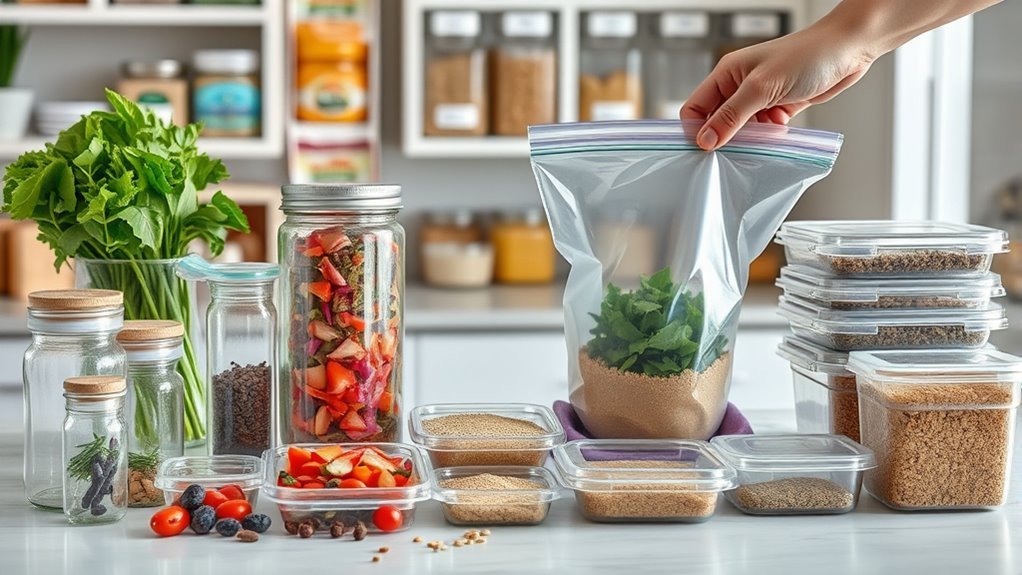
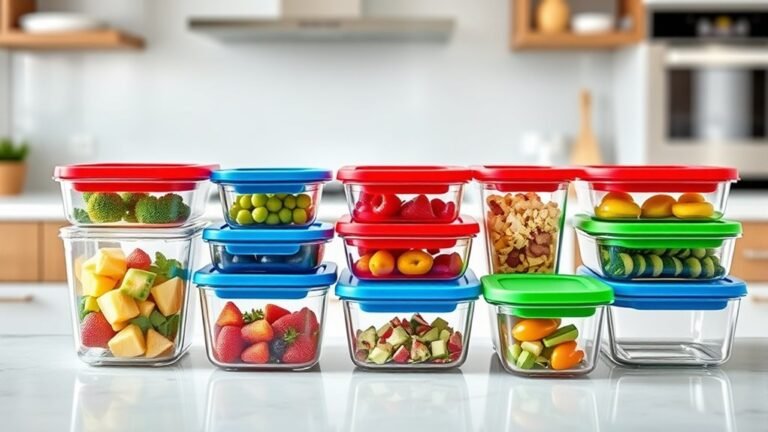
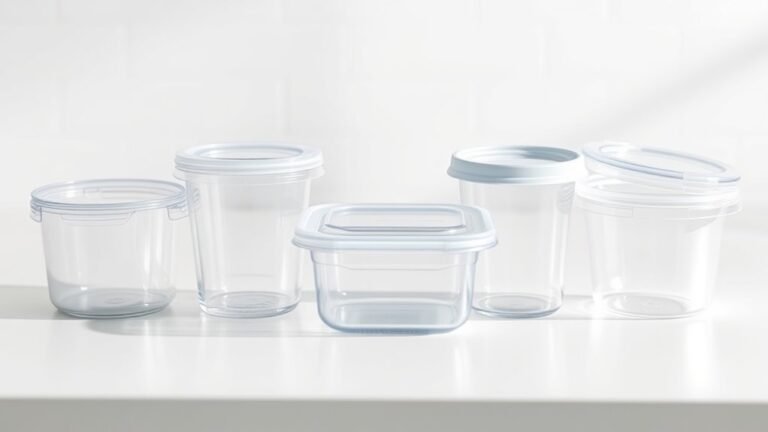
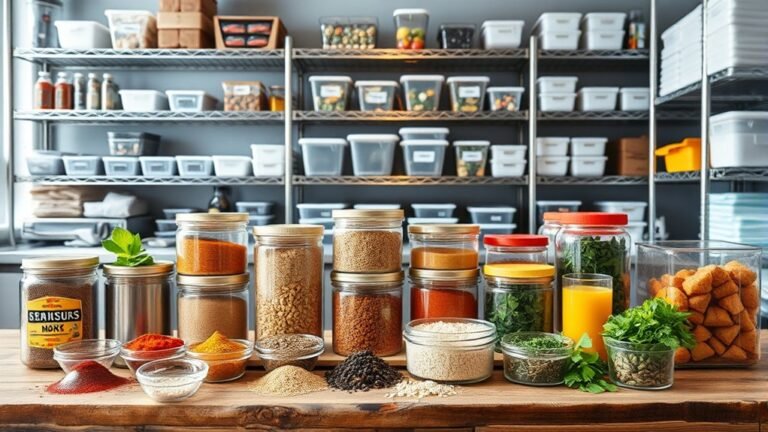
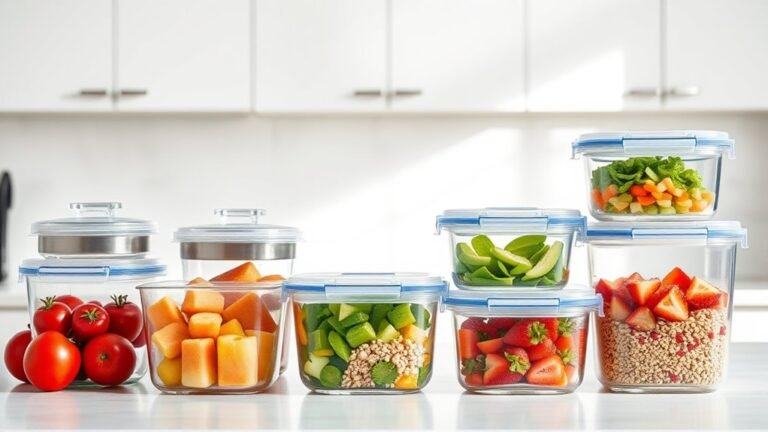
Since proper packaging directly affects your food’s longevity, you should use airtight containers like mason jars, Mylar bags with oxygen absorbers, or vacuum-sealed bags to keep air and moisture out. Fill containers fully, tapping to settle contents and reduce air pockets.
Applying oxygen absorbers inside Mylar bags further preserves your food. Use clear labels indicating contents and expiration dates to simplify inventory management and help you rotate stock efficiently.
Store your sealed packages in a cool, dark, and dry storage environment, such as a basement or pantry, to extend shelf life. Regularly inspect containers for damage or signs of spoilage as part of damage prevention.
If you find any compromised packaging, replace or reseal it immediately to maintain quality. Properly preparing containers ensures your long-term food storage stays fresh and safe for future use.
Remove Air and Seal Containers Properly
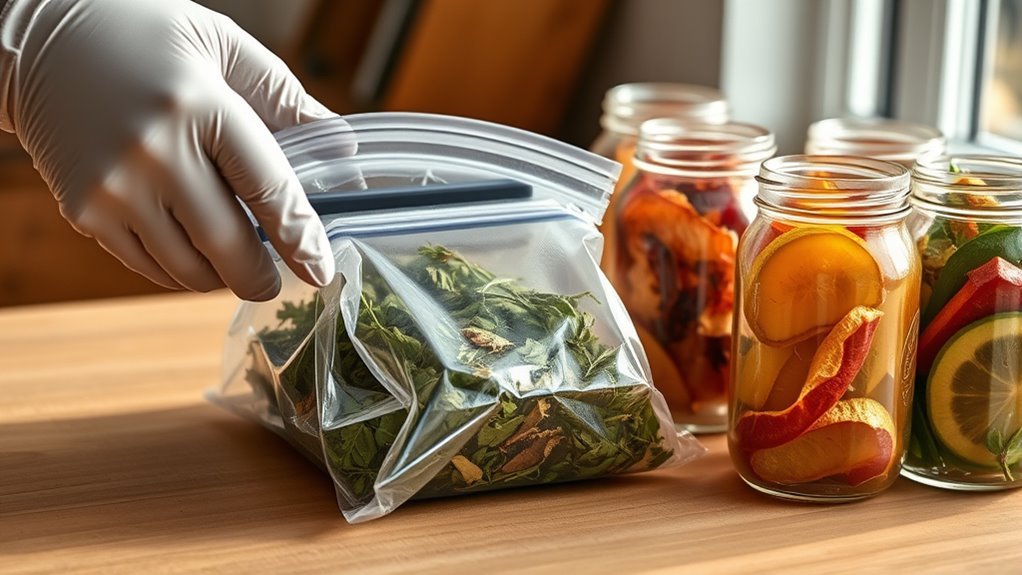
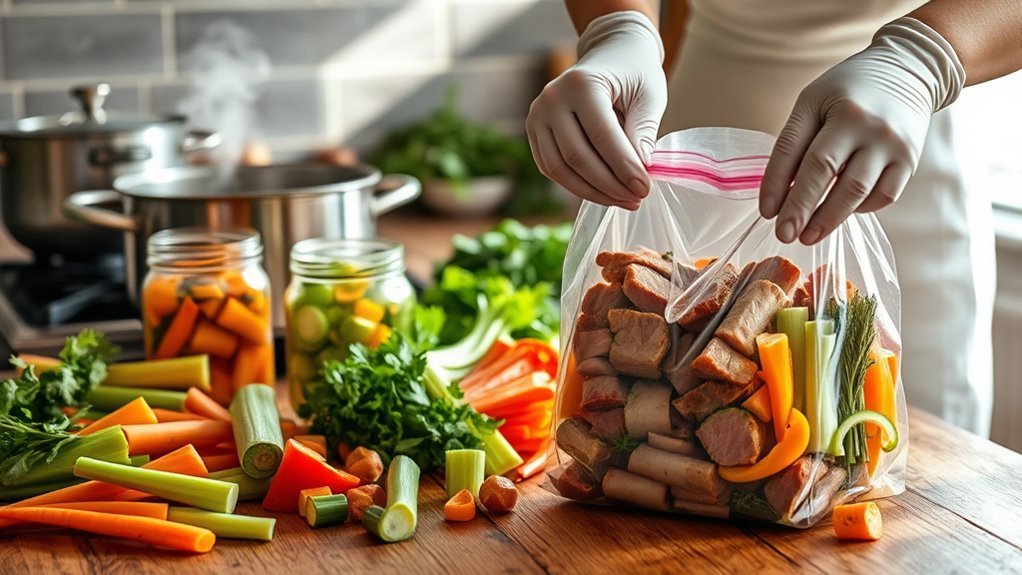
To maximize your food’s shelf life, you’ll need to remove as much air as possible before sealing containers. Fill containers fully to reduce air space, then apply airtight seals using vacuum sealing or by tightening lids properly.
This prevents air ingress that can spoil your food. Use sealed containers like mason jars or Mylar bags, and always label them with the date and contents for easy monitoring.
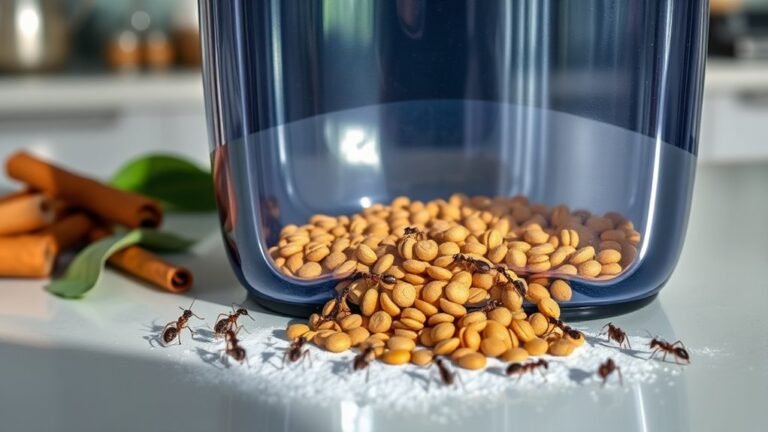
Store these in a cool, dark, dry storage environment to keep moisture and pests away.
| Step | Key Tip |
|---|---|
| Fill containers | Minimize air space |
| Seal containers | Use vacuum sealing or tight lids |
| Label containers | Include date and contents |
| Store properly | Cool, dark, dry environment |
Use Oxygen Absorbers for Extended Freshness
Although proper sealing reduces air exposure, you can substantially extend your food’s freshness by using oxygen absorbers. These small packets remove oxygen from airtight containers, greatly boosting shelf life and enhancing food preservation.
For long-term food storage, choose the right size—100cc for small jars or 300cc+ for larger containers—to ensure maximum effectiveness. Place oxygen absorbers either before or after filling to eliminate residual oxygen efficiently.
Integrating oxygen absorbers into your food storage system helps maintain quality for 10 to 15 years or more. Keep an eye on the absorber’s indicator; discoloration signals it’s no longer working, increasing the risk of spoilage.
Using oxygen absorbers with airtight containers like mason jars or Mylar bags is key to achieving extended freshness and preventing signs of spoilage over time. It really makes a difference!
Store in Optimal Environmental Conditions
When you store food in ideal environmental conditions, you considerably slow down spoilage and keep your supplies fresh longer. Aim for a cool environment between 50°F and 70°F, minimize humidity, and avoid moisture buildup.
Use dark spaces like basements or closets to shield food from sunlight, which causes deterioration. Ensure good air circulation to prevent condensation and maintain steady storage conditions.
Regularly check temperatures and humidity with thermometers and hygrometers to adjust as needed.
| Storage Factor | Ideal Condition |
|---|---|
| Temperature | 50°F to 70°F |
| Humidity | Low; dry environment |
| Light & Airflow | Dark spaces; good circulation |
Following these guidelines helps you preserve food quality and extend shelf life effectively. It’s pretty straightforward, and a little effort goes a long way!
Frequently Asked Questions
How to Prep Food for Long Term Storage?
You should choose dry, non-perishable foods, seal them airtight with oxygen absorbers, label with dates, and store them in a cool, dark, dry place.
Rotate your stock regularly to keep everything fresh and safe. It really helps to stay on top of what you have so nothing goes to waste.
What Is the 2-2-2 Rule for Food Storage?
You’ve got to follow the 2-2-2 rule: every 2 years, rotate and consume stored food, then replenish your supply.
It’s like revitalizing a pantry so nothing’s older than a toddler’s birthday cake—always fresh and safe.
What Are 5 Methods of Food Preparation?
You can prep food using canning, freezing, dehydrating, fermenting, and freeze-drying. Each method preserves food differently, so you’ll want to choose based on the type of food and how long you intend to store it.
For example, canning is great for fruits and vegetables, while freezing works well for meats and leftovers. Dehydrating or freeze-drying can make snacks that last a long time without refrigeration.
Fermenting adds unique flavors and can improve the nutritional value, but it takes some patience. So, think about what you’re preserving and how you plan to use it before picking a method.
What Should I Stock up on if WW3 Happens?
You should stock up on staple foods like rice and beans, plus canned meats and vegetables. Did you know the average shelf life of canned goods exceeds two years?
It’s also a good idea to include nuts, powdered milk, and water purification supplies too. These will help you stay nourished and hydrated when fresh supplies are hard to come by.
Conclusion
By following these five essential steps, you’ll keep your food fresh and ready for the long haul. Remember, choosing the right foods and properly sealing them is half the battle won.
Using oxygen absorbers and storing your supplies in the right environment will help you avoid any rotten luck down the road. With a little effort now, you’ll save yourself from scrambling later—because a stitch in time really does save nine!
Long-term food storage doesn’t have to be complicated. When you prep food for long term storage, focus on freshness, proper sealing, and the right storage conditions. These steps ensure your supplies stay safe and edible for months or even years. So, take your time now, and you’ll be prepared for any emergency or situation down the road.